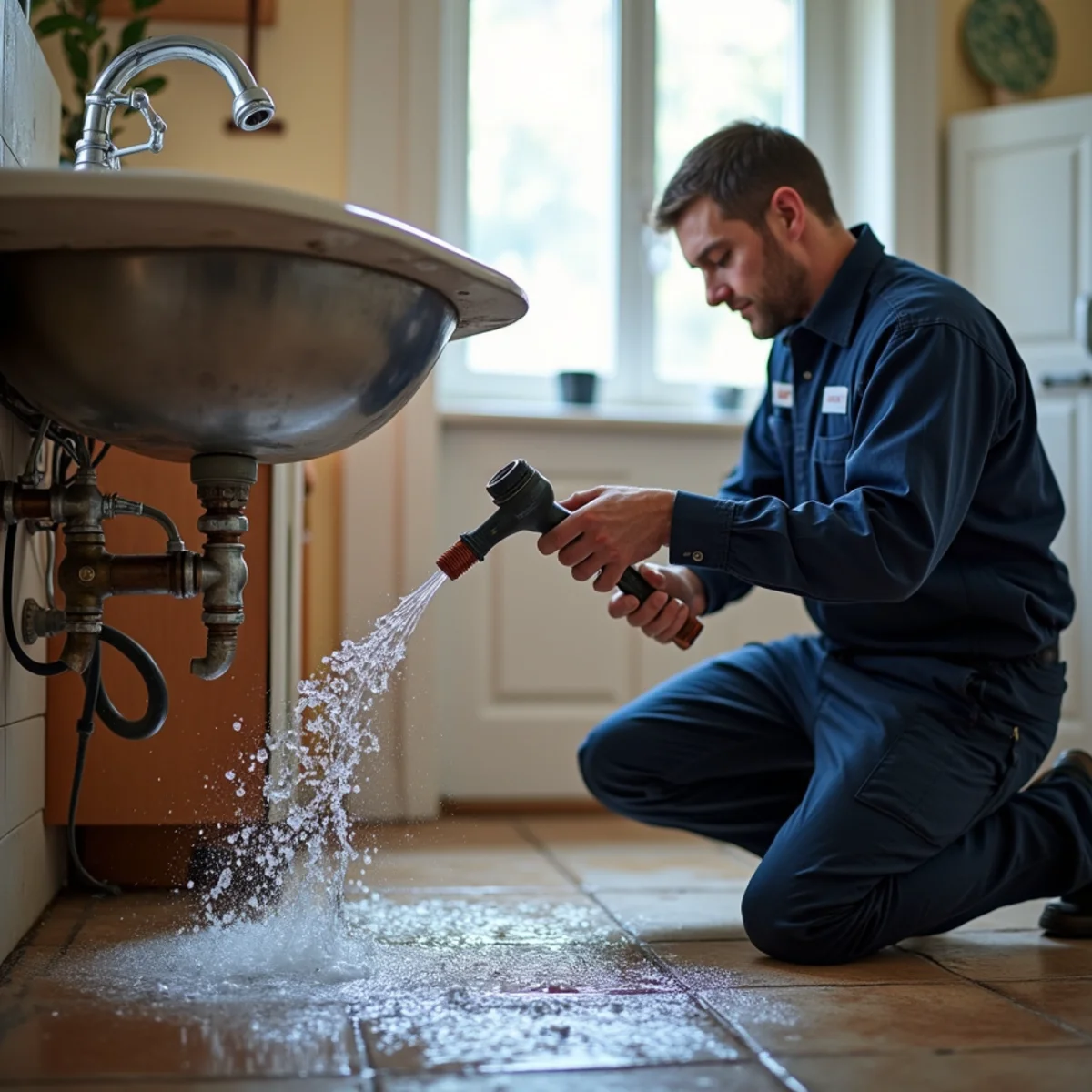
Almost every appliance flood we clean up traces back to a part that was simply too old. A rubber washing-machine hose that spent fifteen years flexing and heating. A water heater that quietly rusted through in its thirteenth winter. A plastic toilet supply line that got brittle and cracked at the nut. None of these failed early — they failed on schedule, and the owners just did not know the schedule.
Here are the ages that matter. Replacing these parts before they fail is some of the cheapest insurance in homeownership, and it is even more true in Concord, where more than half the housing stock predates 1979 and hard East Bay water works on every fitting from the inside out.
Washing-machine hoses: 3 to 5 years for rubber
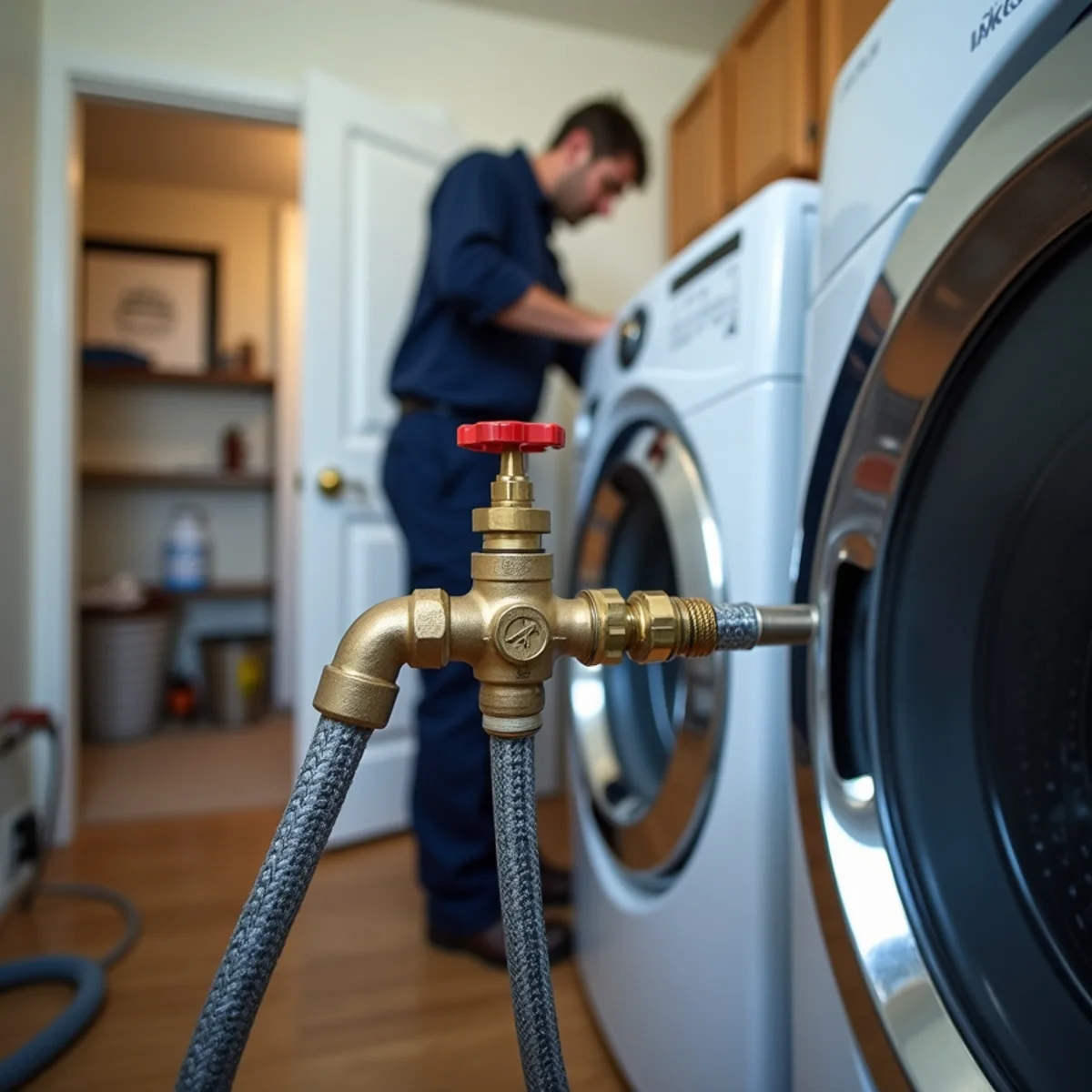
The washing-machine hose is the number-one appliance flood in American homes, and it is entirely preventable. A standard rubber hose sits under constant pressure whenever the water is on, and it bursts without warning — usually while you are out or asleep. Our post on what to do when a washing-machine supply line bursts shows how fast that goes wrong.
- Standard black rubber hoses: replace every 3 to 5 years, no exceptions.
- Braided stainless-steel hoses: far more durable, but still inspect yearly and replace around the 5-to-8-year mark.
- Replace immediately if you see bulging, blistering, cracking, or rust at the couplings.
- Leave a few inches of slack so the hose is not kinked against the wall, and shut the valves if you leave town for a while.
Water heaters: 8 to 12 years, and watch the pan
A tank water heater has a hard life. Sediment collects, the anode rod wears out, and eventually the steel tank corrodes through. When it goes, it can dump forty to fifty gallons onto the floor and keep refilling.
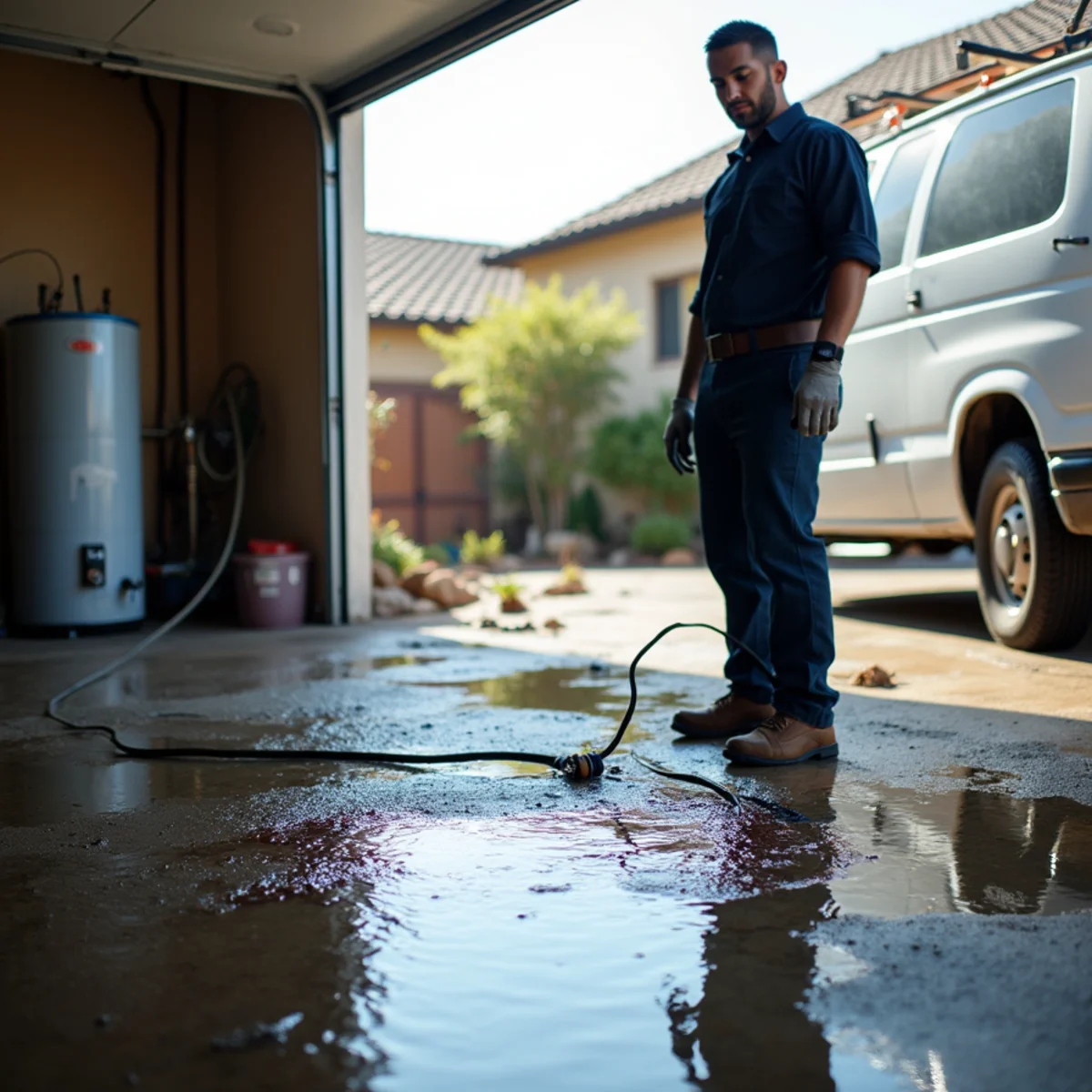
Most tanks last 8 to 12 years; in Concord's hard water, plan toward the lower end of that range. California also requires water heaters to be strapped and braced under Health and Safety Code section 19211, which our post on California's water-heater strapping law explains. If yours ever lets go, fast Water Heater Leak Cleanup keeps a tank failure from soaking the whole garage.
- Know the age: the manufacture date is encoded in the serial number on the label.
- Flush the tank yearly to clear sediment and extend its life.
- Replace the anode rod every few years if you want to push the lifespan further.
- Watch the drip pan and the base for rust and moisture — the first signs of the end.
Supply lines: the cheap part that causes big floods
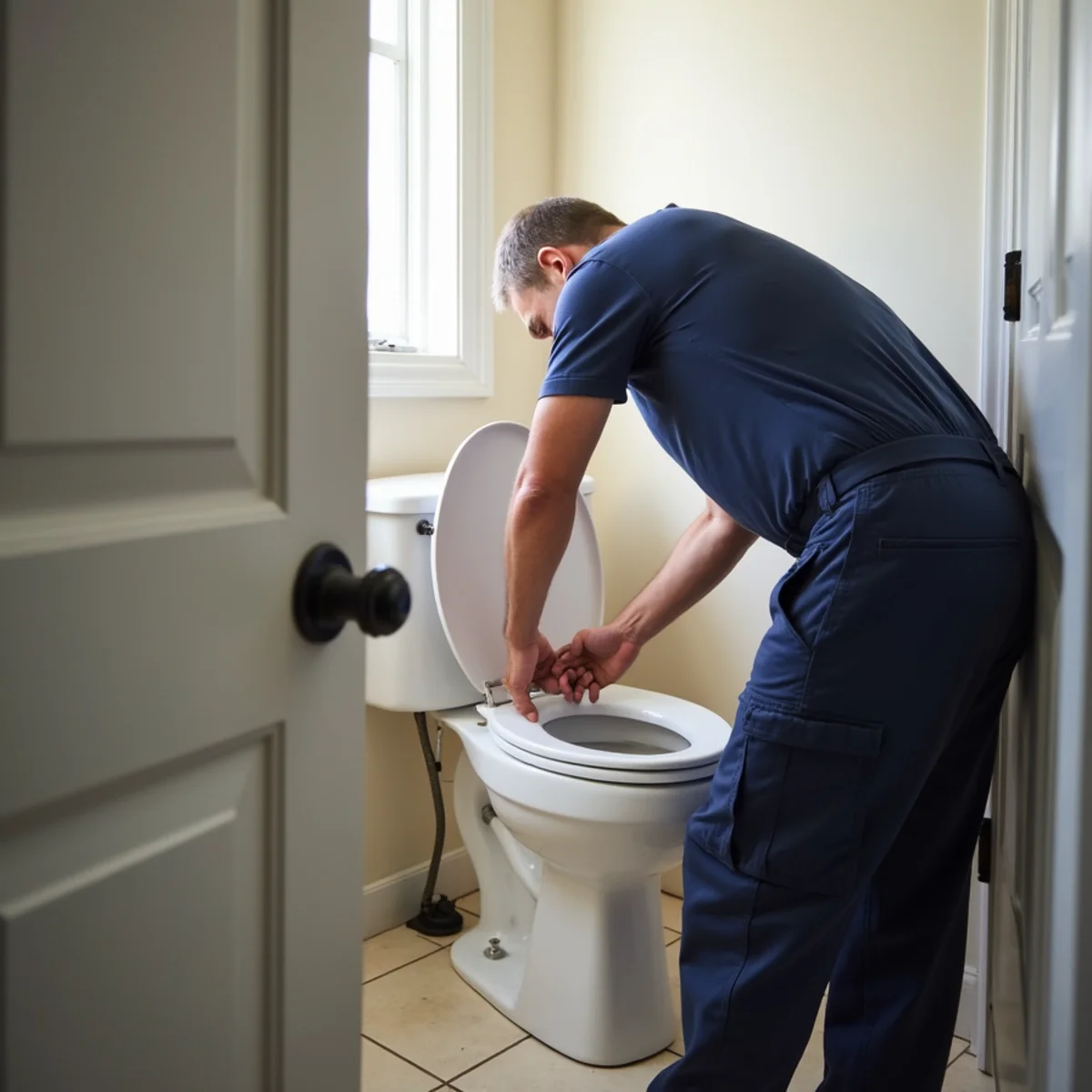
The flexible supply lines feeding toilets, faucets, and sinks are small, cheap, and easy to forget — which is exactly why they cause so many losses. The plastic and older braided ones get brittle and split at the nut.
- Toilet and faucet supply lines: replace every 5 to 8 years, or whenever you replace the fixture.
- Choose braided stainless steel over plastic or vinyl every time.
- Hand-tighten plus a quarter turn — over-tightening cracks the fitting and causes the very leak you are trying to prevent.
- Check the shut-off valves at the same time; if they are seized or weeping, replace them too.
Why age hits harder on Concord homes
Concord's housing tells the story. More than half of it was built before 1979, and about a quarter predates 1960. That means a lot of original galvanized and early copper plumbing, plus decades-old fittings, all fed by hard East Bay water that scales and corrodes from the inside.
In the 1950s-through-70s tracts around town, we routinely find supply lines and valves that have never been touched. Homes in areas like Ayers Ranch sit squarely in that repipe-and-replace window. If your fittings are as old as your house, they are overdue.
A simple replacement schedule to keep
You do not need to do this all at once. Put it on a calendar and knock out one item at a time. The whole list below costs less than the deductible on a single water-damage claim.
- Every year: inspect all hoses and supply lines, and flush the water heater.
- Every 3 to 5 years: new rubber washing-machine hoses, or confirm braided ones are sound.
- Every 5 to 8 years: new toilet and faucet supply lines and any tired shut-off valves.
- At 10 to 12 years: budget for a new water heater and replace at the first sign of rust.
When one lets go anyway
Parts fail even on the best schedule. If a hose bursts or a tank splits, shut off the water at the fixture or the main, and start extraction fast — standing water wicks into drywall and subfloor within hours. Call (201) 277-9344 and we will get a crew out to dry the structure before mold has a chance to start.
The cheap upgrade that makes every other shut-off work
When you replace a supply line, replace the valve behind it. The multi-turn gate stops found in most pre-1979 Concord homes seize with age, and the moment you need one in a hurry it either will not turn or snaps off in your hand. Swapping them for quarter-turn ball valves is a small upgrade that turns a frantic hunt for the main into a two-second shut-off right at the fixture, which is the highest-return dollar on this whole list.
When the water heater itself gets replaced, watch the details a rushed swap skips. Confirm a code-sized thermal expansion tank goes in, since a missing or waterlogged one drives pressure up across every fitting in the house, and ask that the drip pan be plumbed to a drain or at least fitted with a leak sensor so a slow weep has somewhere to go besides your floor. Soldered copper and any gas connection belong to a licensed pro, but the flexible line and valve swaps are within reach of a careful homeowner. If a tank ever does let go, fast water heater leak cleanup keeps a garage failure from wicking into the drywall and framing.
Frequently asked questions
Related pages
Water Concord
IICRC-certified water damage restoration, based in Concord and serving all of Contra Costa County. We answer 24/7 — if you’re dealing with water damage right now, call (201) 277-9344.