
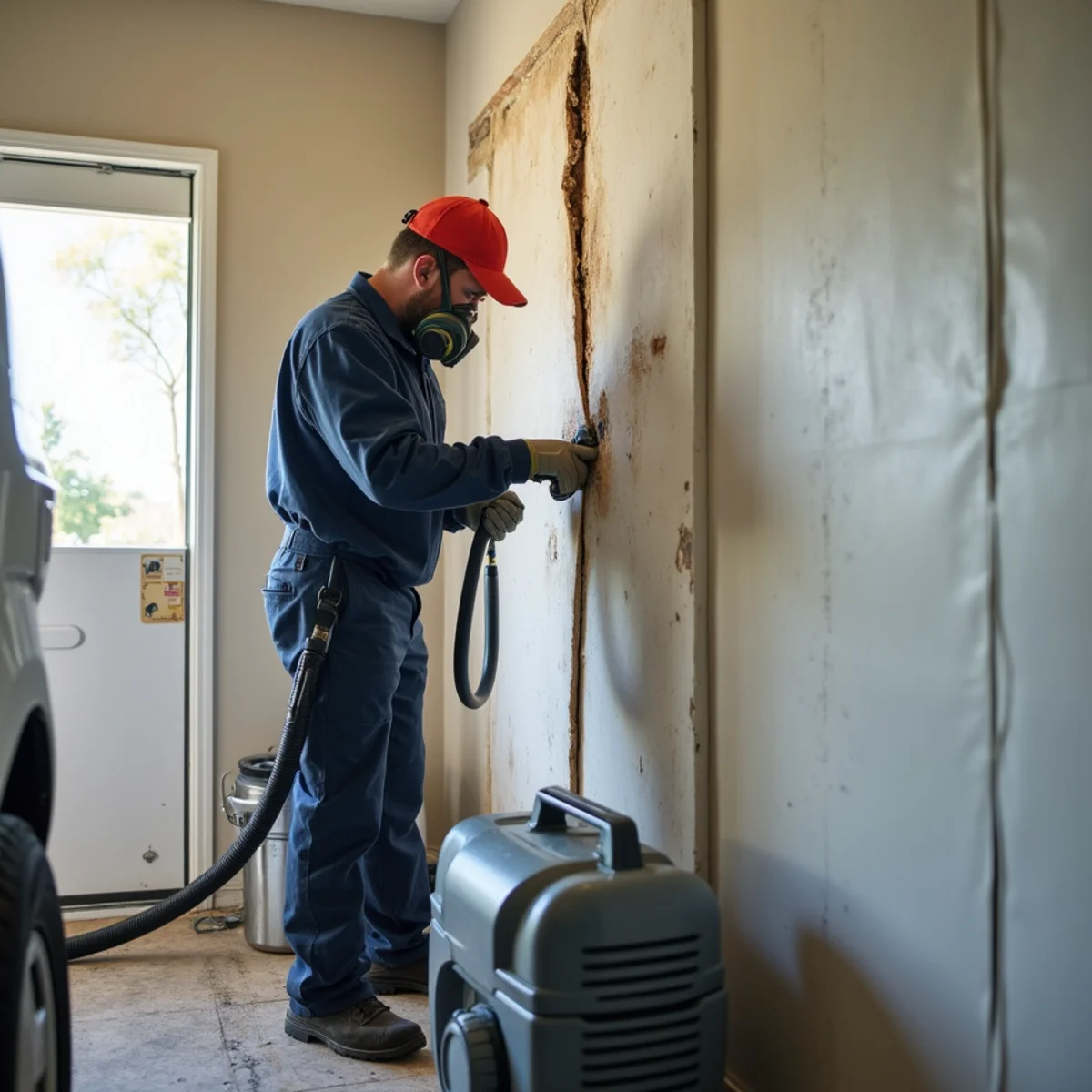
Mold is not just unsightly. It degrades whatever it grows on, eating into drywall, wood, and insulation, and it releases spores and allergens that affect indoor air quality — a real concern for anyone with allergies, asthma, or a compromised immune system. And it will not stop on its own: as long as there is moisture and a food source, it keeps spreading through wall cavities and HVAC runs into rooms the original leak never touched.
Water Concord remediates mold at the source. We follow EPA guidance and the IICRC S520 standard: contain the area, remove the mold and the materials it has destroyed, clean the air, and — critically — fix the moisture that fed it. Wiping a stain without solving the water only guarantees it returns.
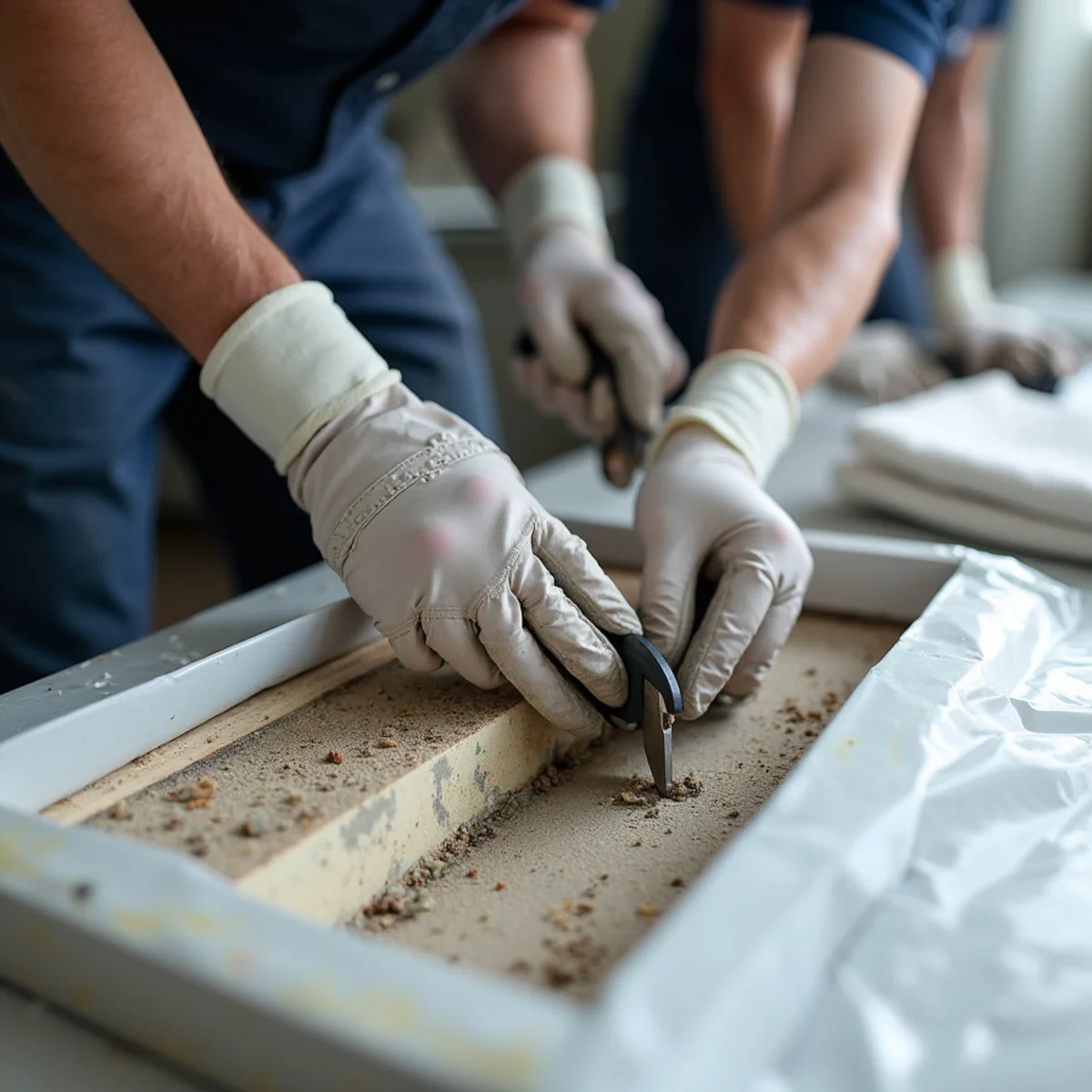
Signs you may have a mold problem
Mold often hides. Trust your nose and look for the early signs, especially after any past water damage. Call for an inspection if you notice:
- A musty, earthy smell that will not go away, even when nothing looks dirty
- Visible spots or patches — black, green, gray, or white — on walls, ceilings, or grout
- Discoloration or staining that keeps coming back after you clean it
- Peeling, bubbling, or cracking paint on a wall that has been damp
- Worsening allergy or asthma symptoms that ease when you leave the house
- A past leak, flood, or plumbing issue that was never fully dried
- Condensation, high humidity, or a damp feel in a bathroom, basement, or crawlspace
- Warped drywall or soft spots that hint at moisture behind the surface
Remediation versus removal: the difference that matters
You cannot make a home mold-free, and any company that promises to is misleading you. Mold spores exist naturally everywhere. The goal of remediation, as the EPA and the IICRC S520 standard describe it, is to return mold to normal, background levels and remove the active growth — not to sterilize the air.
The most important part of remediation is not the removal; it is the moisture. Mold is a symptom. If there is still a leak, a humidity problem, or a wall cavity that never dried, it comes back no matter how carefully it was cleaned — which is why we pair remediation with structural drying and dehumidification to eliminate the water that started it.
Our mold remediation process, step by step
Remediation is deliberate and contained, so spores do not spread while we work:
- Inspection and moisture source. We assess the growth and, just as important, find and stop the water feeding it.
- Containment. We seal the work area with barriers and negative air pressure so spores cannot migrate to clean rooms.
- Air filtration. HEPA air scrubbers capture airborne spores throughout the process.
- Removal. Mold-damaged porous materials — drywall, insulation, carpet — are removed and bagged; salvageable surfaces are cleaned.
- HEPA cleaning. We HEPA-vacuum and wipe the contained area to capture settled spores.
- Drying and prevention. We dry the structure to a verified standard and address the moisture source so the mold does not return.
How fast mold moves, and why speed matters
The 24-to-48-hour figure is not marketing; it is how fast mold can begin colonizing a wet material under the right conditions. That is the window in which mold takes hold after a leak, and the whole argument for drying a loss quickly and completely. Most mold jobs we run trace back to a leak or flood that was never fully dried — a slow drip under a sink, a wall that felt dry on the surface but held moisture inside.
Not every dark spot is toxic black mold, and not every fuzzy patch is harmless mildew, and people conflate the two constantly. If you are unsure, it helps to understand the difference between black mold and mildew and when to call a pro. When mold covers more than a small area, keeps returning, or follows a known water loss, it is worth a professional inspection rather than a guess.
Why Concord homes are prone to mold
Concord's climate is a mixed bag for mold. Dry summers keep it in check; cool, damp winters from December through March give it exactly what it wants. Homes with poor crawlspace ventilation or a history of storm intrusion hold humidity through the wet season, and that is where hidden growth builds.
The city's older housing stock adds to it. With half of Concord's homes built before 1979, many have the aging plumbing, tight crawlspaces, and past water damage that mold thrives on. After a sewage or flood event the risk climbs fast — which is why we treat prompt drying after any loss, including sewage cleanup, as the front line of mold prevention.
How to keep mold from coming back
Remediation clears the mold you have; staying mold-free is about the water. Spores are in the air of every home and always will be — they only become a problem when they find moisture to grow on. Take away the moisture and you take away the mold's fuel, which is why the most durable prevention has little to do with cleaning and everything to do with keeping your home dry.
In Concord's damp December-to-March stretch especially, a few habits keep conditions working against mold rather than for it:
- Hold indoor humidity under 50%. A hygrometer costs a few dollars, and a dehumidifier through the wet season keeps damp rooms, closets, and crawlspaces below the line where mold takes off.
- Vent the moisture you make. Run bathroom and kitchen exhaust fans during and after showers and cooking, and make sure the clothes dryer vents outdoors, not into a wall or attic.
- Fix leaks fast, even slow ones. A hidden drip can feed mold inside a wall for months before a stain shows; if your bill or a damp spot hints at one, leak detection finds it before it becomes another remediation.
- Move water away from the foundation. Keep gutters clear, extend downspouts, and slope soil away from the house so rain does not pool against it.
- Dry any spill or leak within 24 to 48 hours. That is the window before mold starts; anything wet longer than a day deserves real drying, not just a towel.
Standing water spreading?
Every hour the water sits, the damage grows. Talk to a Concord crew now.
What affects the cost of mold remediation
Mold pricing depends on how far it has spread and what it has damaged. We inspect before quoting — no sight-unseen numbers. The main factors:
- The size of the affected area and how many rooms or cavities are involved
- Where the mold is — behind walls, in a crawlspace, or in the HVAC is harder to reach
- How much material has to be removed and replaced
- The level of containment and air filtration the job requires
- Finding and fixing the moisture source that caused the growth
- Any testing or third-party clearance you or your insurer want
Why Concord homeowners choose Water Concord for mold remediation
When water is where it shouldn’t be, you need a crew that shows up fast and does it right. Here’s what you get with Water Concord:
60-minute emergency dispatch across Concord
We’re based in Concord, so mold remediation starts before the damage has time to spread.
IICRC-certified technicians
Every job follows the IICRC S500 standard, with drying verified by moisture meters — not guesswork.
Licensed & insured
Fully licensed and insured, so your home and your project are protected from day one.
Insurance claim assistance
We document the loss, record moisture readings, and bill your carrier directly for covered work.
Locally owned & operated
You deal with a local team that answers for its work, not a national franchise queue.
Rated 4.9 from 127+ local reviews — and we answer open 24 hours — 7 days a week.