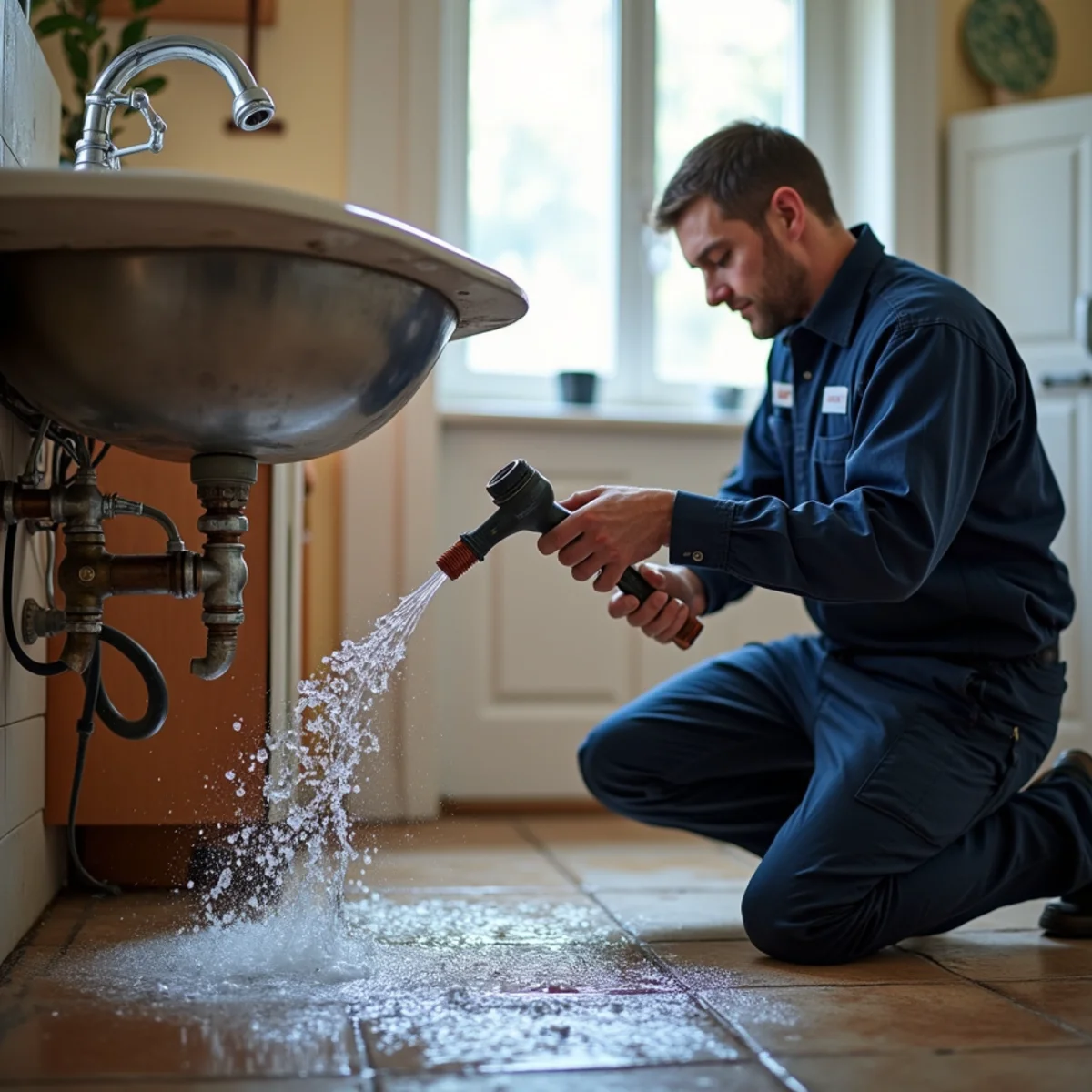
Shut off your water at the main valve first — everything else can wait sixty seconds. A burst pipe can push several gallons a minute into your walls and floors, and every minute you spend hunting for a bucket is a minute the water spreads farther. Stop the source, then work the problem.
We have opened enough Concord walls to know that the damage from the first hour often costs more than the pipe repair itself. Water wicks up drywall, soaks insulation, and finds the path into rooms you did not know were connected. The good news is that a homeowner who moves fast can hold the damage to a fraction of what it would otherwise be. Here is the exact order we tell people to work in when they call, and what to have handled before our burst pipe cleanup crew arrives.
The First 60 Seconds: Kill the Water and the Power
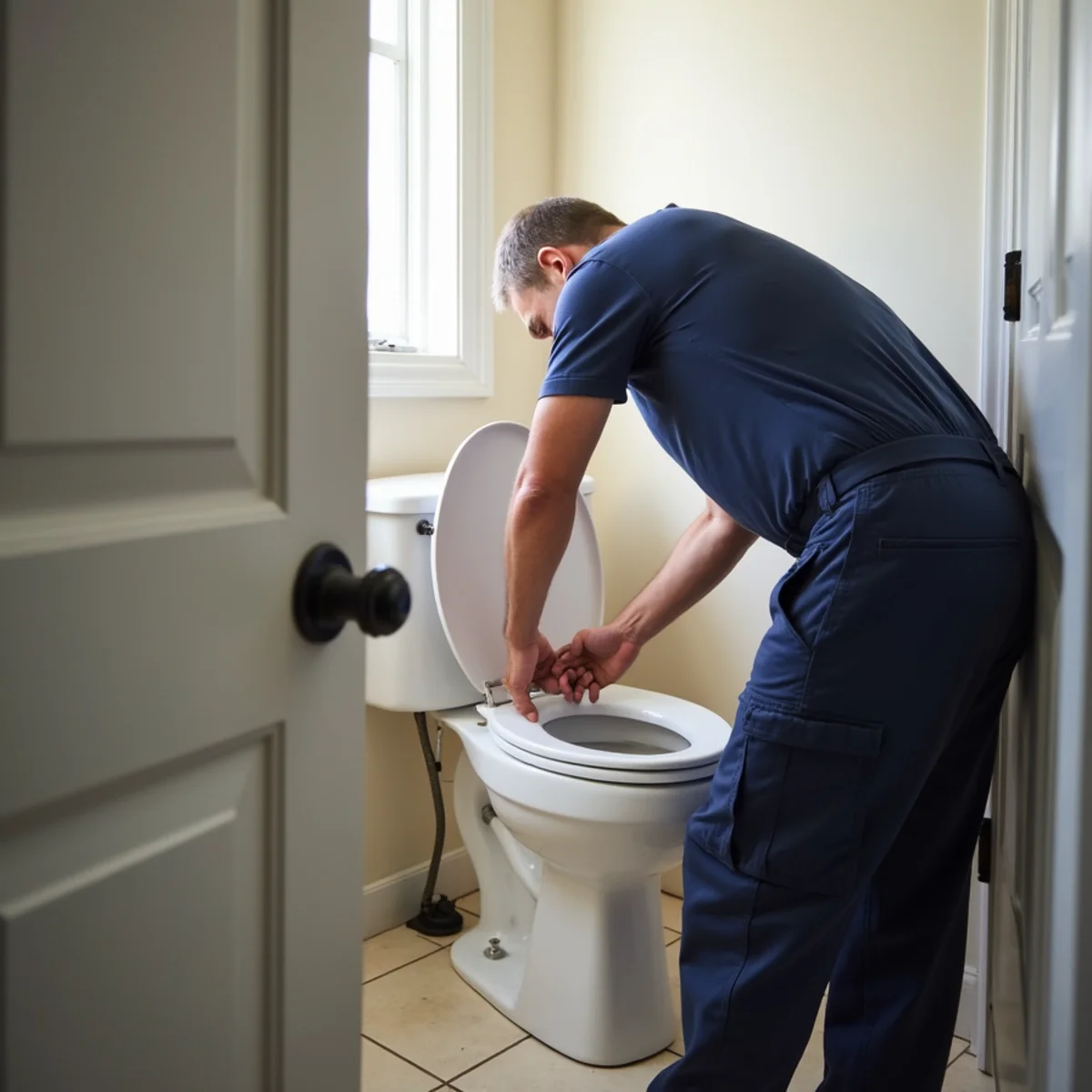
Before you grab a single towel, shut the water off. If the fixture's local shutoff is closer — under a sink, behind a toilet — use it. If you cannot reach it or the leak is inside a wall, go straight to the main shutoff and close it fully.
If water is anywhere near outlets, light fixtures, or your electrical panel, kill the power to that area at the breaker before you step into the water. Electricity and standing water are the one combination that turns a property loss into an injury.
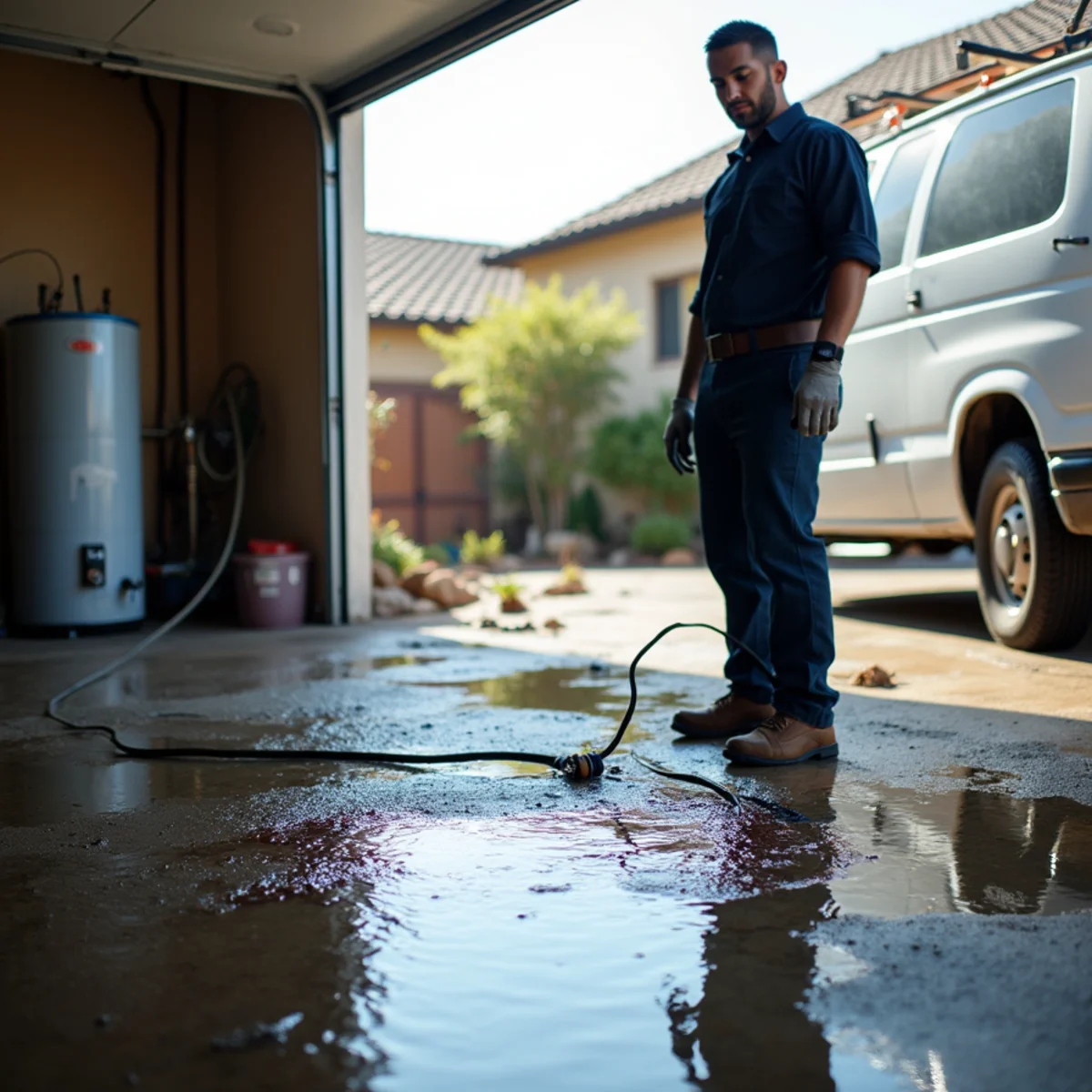
- 1. Close the main water shutoff. Turn it clockwise until it stops. It is usually where the main line enters the house — often the garage, a utility closet, or an exterior wall on the street-facing side.
- 2. Cut power to wet areas. If water has reached outlets or fixtures, flip those breakers off. When in doubt, shut off the main breaker.
- 3. Open the lowest faucets. Once the main is off, open a tub or ground-floor faucet to drain the pressure still sitting in the pipes so less water reaches the break.
Contain the Spread While You Wait
With the water off, your job shifts to keeping what is already down from traveling. Water follows gravity and grain — it runs along floor joists, disappears under baseboards, and drops through ceilings to the floor below.
Move quickly but do not hurt yourself. The goal is to protect belongings and slow the migration, not to have the whole thing dried before we arrive.
- Lift and move belongings. Get furniture, boxes, and electronics up and out of the wet zone. Slide foil or wood blocks under furniture legs you cannot move.
- Dam and catch. Roll towels across doorways to keep water in one room, and catch active drips in buckets.
- Pull standing water with a wet/dry vacuum if you have one — but skip anything electrical if the area is not fully de-powered.
- Get air moving. Open windows and aim fans at the wet area to start surface drying.
Document Everything Before You Clean Up
Before you haul out soaked carpet or throw away ruined boxes, photograph and video the damage from every angle. Adjusters pay for what they can see, and the scene will never again look the way it does right now.
Shoot wide shots of each affected room, then close-ups of the pipe, the water line on the walls, and damaged contents. Save receipts for any emergency supplies. When it is time to file, our photo and receipt checklist for water damage claims walks through exactly what an adjuster wants to see.
Why the First Hour Decides the Bill
Clean supply-line water starts as the easy kind — Category 1 in the trade — but it does not stay that way. Left sitting, it wicks into drywall and pad and, within 24 to 48 hours in Concord's damp winter air, can start growing mold. What began as a simple dry-out becomes a demolition job.
This is also why so many burst pipes here happen in older housing. Half of Concord's homes were built before 1979, and the 1950s-70s tracts — including much of the military-era housing in North Concord — still run original galvanized or early copper lines that corrode from the inside out. A pipe that lets go at 2 a.m. in January is almost always one that had been thinning for years.
When to Call in a Restoration Crew
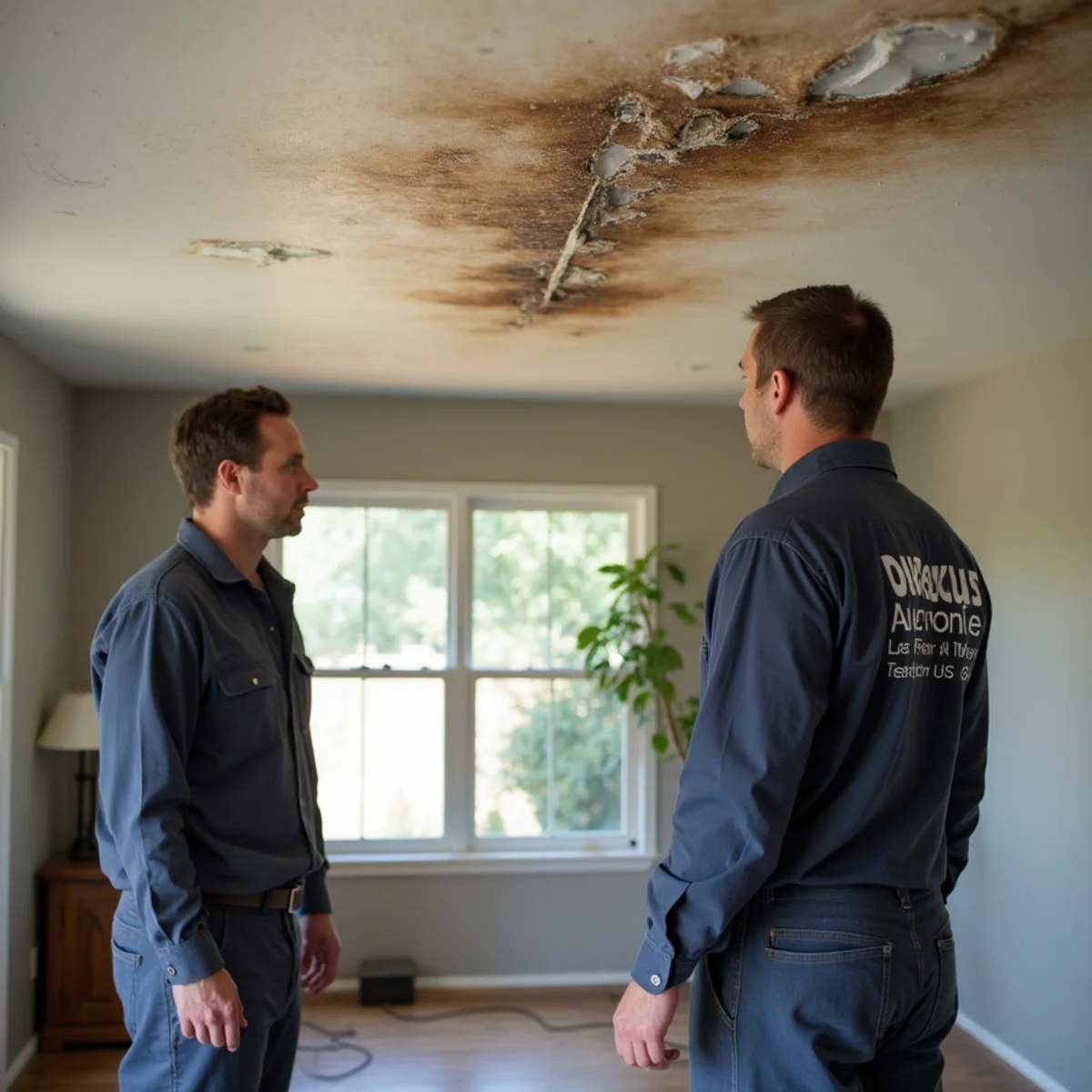
Call for a professional crew if water touched more than one room, soaked into carpet or walls, or ran for more than a few minutes. What you see on the surface is rarely the full extent — walls read dry to the hand while the cavity behind stays saturated.
A technician will extract what is left, open and dry the wall cavities with commercial air movers and dehumidifiers, and confirm the structure is dry with moisture meters before closing it back up. Call us any hour at (201) 277-9344 — the sooner we map the water, the less of your home we have to open.
Pro insight: the mistake that reopens the flood
Once the main is closed, the instinct is to crack it back open a few minutes later to see whether the leak has really stopped — and that one move re-floods the wall cavity you just worked to protect. Leave the main off until the failed section is capped or repaired. If the rest of the house needs water in the meantime, a plumber can isolate the single branch rather than pressurizing the break again.
Two quiet steps most homeowners skip: read the meter and keep the pipe. With every fixture off, a meter dial that still creeps means water is escaping somewhere — proof the break is truly isolated, and an early warning of a second hidden leak. And save the burst section once it is cut out. Sudden, accidental failures are typically covered where slow corrosion is not, and a length of pipe that clearly split rather than wept is the most persuasive thing an adjuster will see. We bag and photograph it on every emergency water removal call for exactly that reason.
Frequently asked questions
Related pages
Water Concord
IICRC-certified water damage restoration, based in Concord and serving all of Contra Costa County. We answer 24/7 — if you’re dealing with water damage right now, call (201) 277-9344.