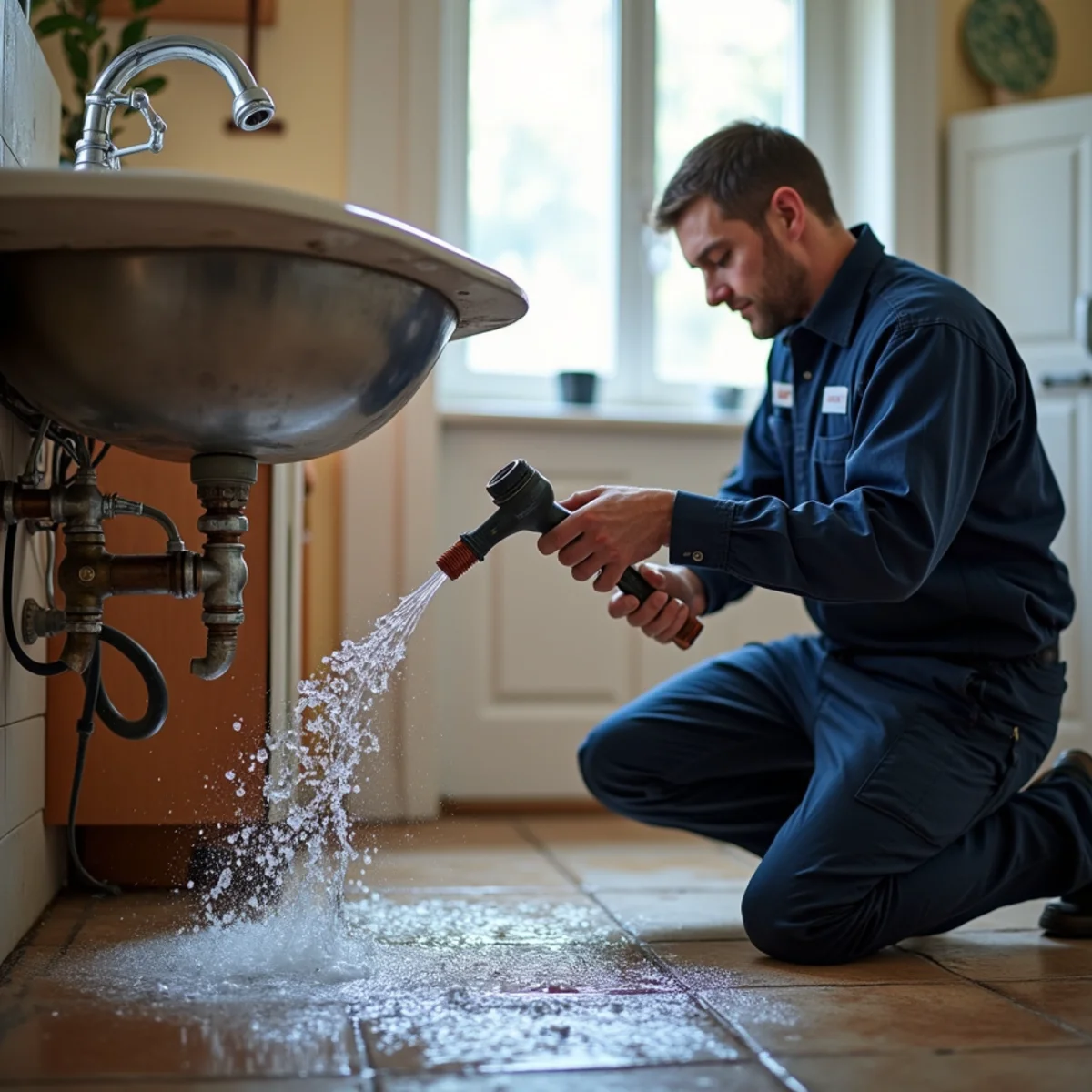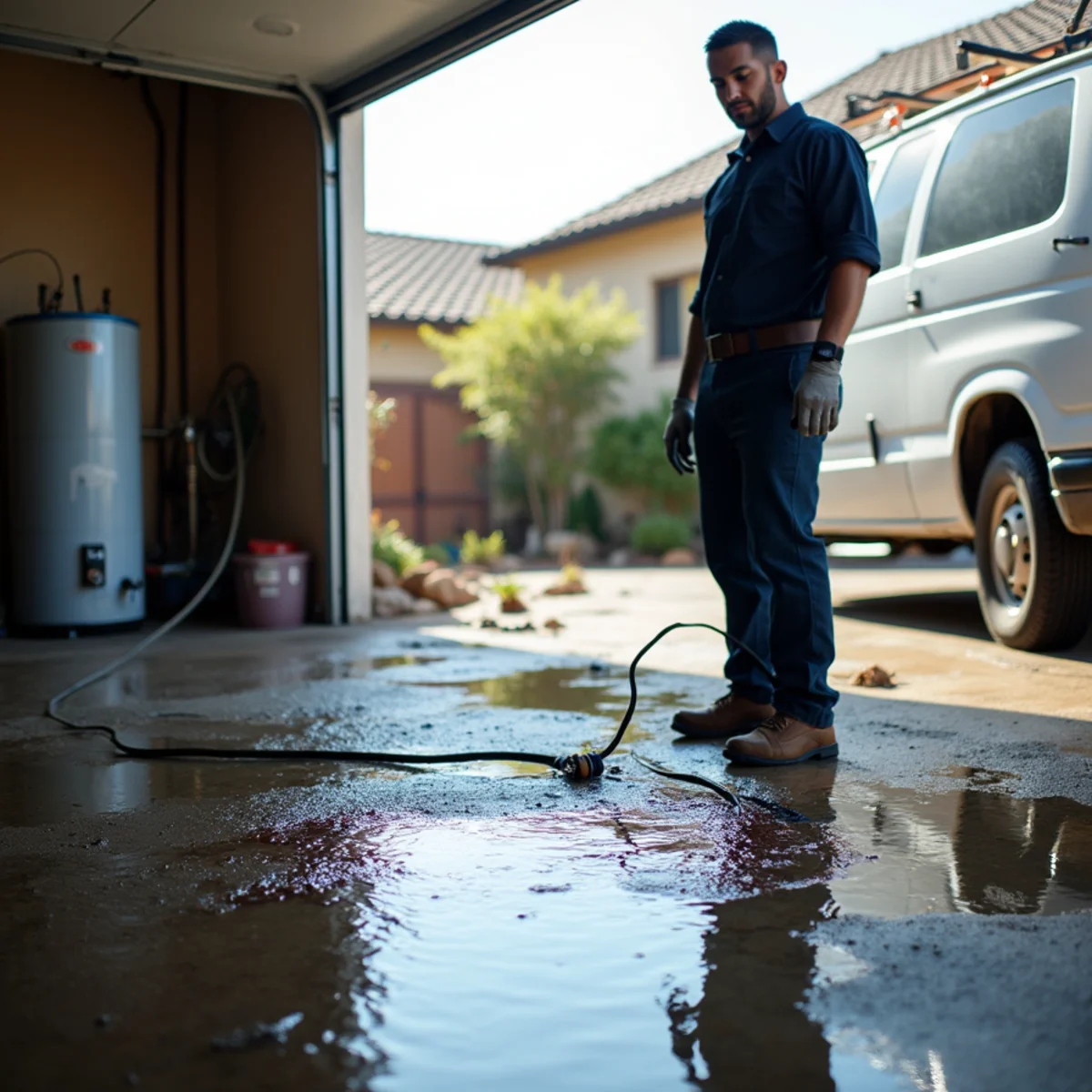
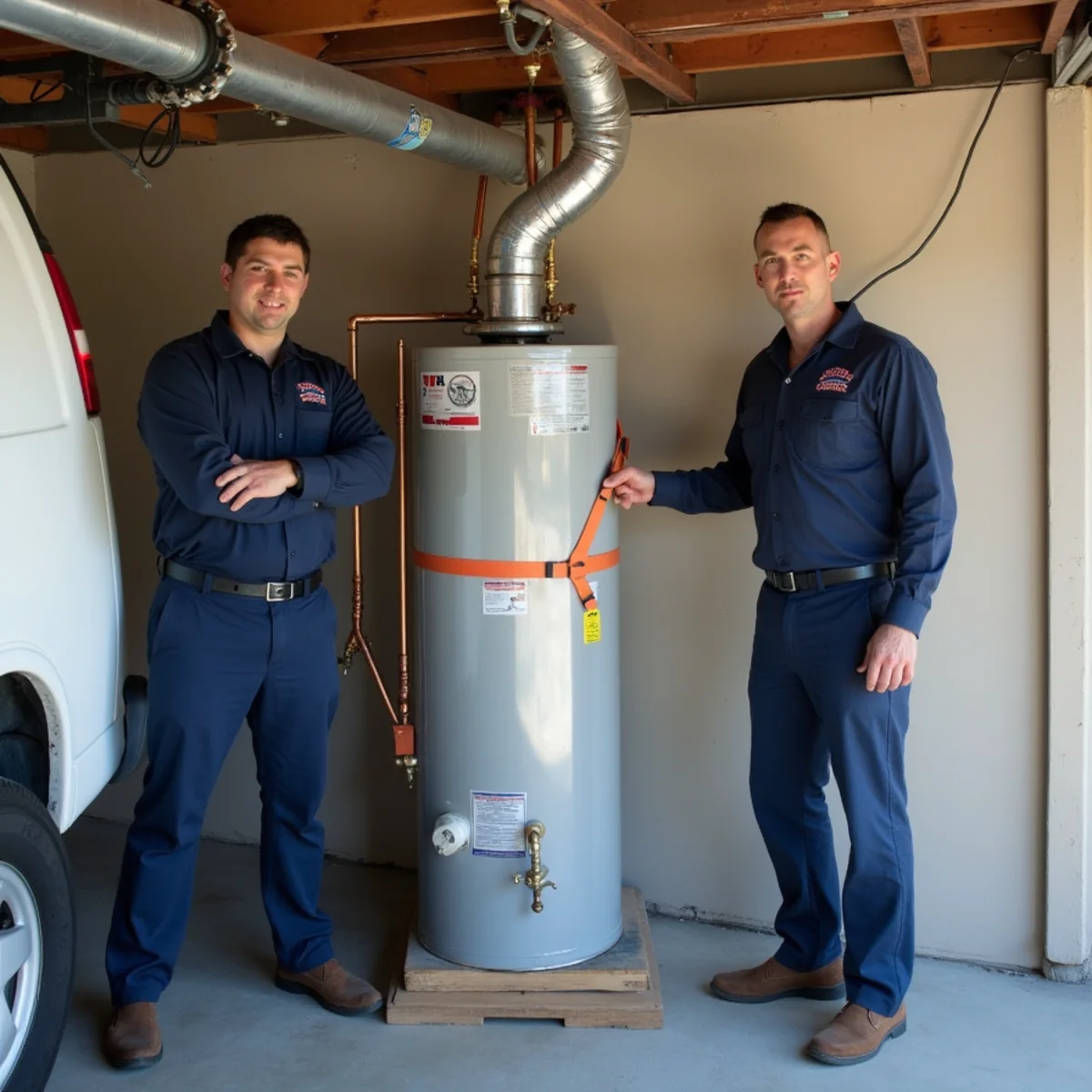
There is a good chance the single most vulnerable appliance in your home is sitting unbraced in the garage right now. A full water heater holds 40 to 50 gallons and weighs several hundred pounds when full. In an earthquake, an unsecured tank can rock, walk off its base, and tear loose the water and gas lines connected to it. The result is a broken supply line pouring water across the garage floor — and, if it is a gas unit, a far more dangerous hazard.
California saw this coming decades ago. State law — Health and Safety Code section 19211 — requires water heaters to be strapped and braced against earthquake movement. Yet in Concord neighborhoods like Turtle Creek, we still find tanks with a single loose strap or none at all. This guide explains what the law requires, why it exists, and how a properly secured water heater prevents a very avoidable flood.
What HSC 19211 actually requires
California's water heater strapping law requires that water heaters be anchored, braced, or strapped to resist falling or horizontal movement during an earthquake. In practice that means securing the tank at two points — one in the upper third and one in the lower third — with the lower strap kept a safe distance above the unit's controls. The straps have to be anchored into solid structure, like wall studs, not just screwed into drywall.
The requirement kicks in when a water heater is installed or replaced, and it is commonly checked at the point of sale when a home changes hands. It is not a suggestion or a best practice — it is code, and it applies to residential water heaters across the state.
Why an unbraced tank is a flood risk
A water heater is top-heavy and tall, standing on a relatively small base. Ground shaking makes it rock. Once it tips or slides even a few inches, the rigid copper or flex connectors at the top — the cold inlet and hot outlet — are the first things to fail. They kink, crack, or pull free, and the tank's 40-plus gallons start emptying onto the floor, with the supply line feeding more water behind it until someone shuts the main.
In many Concord homes the heater sits in the garage or a utility closet, often against a shared wall with the living space. Water does not respect that wall. It wicks under it into adjacent rooms, soaks the bottom plate and drywall, and settles into the slab. A quake you walked away from can still leave you with a flooded garage and water tracking into the house.
Concord sits in earthquake country
This is not a theoretical risk here. The Bay Area is laced with active faults, and Concord has its own — the Concord Fault runs through the area. Strong shaking is a question of when, not if, and every unsecured water heater in town is a leak waiting for the next significant quake. Older homes in neighborhoods like Turtle Creek sometimes still have heaters installed before strapping was routinely enforced, or straps that have loosened and gone unchecked for years.
The fix is inexpensive and fast compared to the damage it prevents. Heavy-gauge metal strapping kits are cheap, and proper installation takes a professional a short visit. Weighed against extracting water from a flooded garage and drying a shared wall, it is one of the best-value safety upgrades a homeowner can make.
How to check your own water heater
Take two minutes in the garage and look for these:
- Two straps, not one — code calls for bracing in both the upper and lower third of the tank.
- Straps anchored into studs or solid structure, not just fastened to drywall, which will pull out under load.
- Snug, not loose — straps that have sagged over time no longer hold the tank against movement.
- A lower strap kept safely above the controls on a gas unit, with the gas line and flue clear.
- A drip pan and, ideally, a leak sensor under the tank so a slow failure is caught early.
When the tank lets go anyway
Strapping stops the earthquake scenario, but water heaters also fail on their own timeline. Tanks corrode from the inside, and after 8 to 12 years the bottom can rust through and release the whole tank at once. Either way, the response is the same: shut off the water and the power or gas to the unit, then get the water extracted before it spreads and before mold gets its 24-to-48-hour start.
Our water heater leak cleanup crews handle exactly this — extracting the water, drying the wall and slab the tank sits against, and documenting the loss for insurance. If you want to know how long a tank should last and when to replace it, our guide on when to replace water heaters and supply lines lays out the ages that matter.
Strapping is step one — the connectors are step two
Strapping keeps the tank from walking off its base, but it does nothing for the connections — and in a quake those usually fail first. A strapped tank still shakes, and rigid copper water lines and hard-piped gas connections crack right at the fittings when it does. Pair the straps with flexible corrugated stainless-steel connectors on both the water and the gas side, rated for seismic movement so they flex instead of snapping. On the gas line especially, consider adding an automatic seismic shutoff valve that cuts the supply when strong shaking hits — cheap insurance against a far worse fire risk.
Know the coverage gap too, before the next quake rather than after: standard homeowners policies exclude earthquake damage entirely. That protection comes separately, usually through the California Earthquake Authority, and whether water damage from a quake-broken line falls under your base policy is a genuine gray area worth confirming with your agent now. Treat the straps, the flexible connectors, the drip pan, and the shutoff as one package — each covers a failure the others do not. If a tank lets go anyway, on a quake day or an ordinary one, our water heater leak cleanup crews dry the wall and slab it sits against.
Frequently asked questions
Related pages
Water Concord
IICRC-certified water damage restoration, based in Concord and serving all of Contra Costa County. We answer 24/7 — if you’re dealing with water damage right now, call (201) 277-9344.