
Most water damage does not announce itself. It is not the burst pipe that soaks the ceiling in an hour — it is the slow drip under the sink that runs for months, quietly rotting the cabinet floor and feeding mold behind the wall. By the time you smell it or see the stain, the repair is no longer small.
The fix is a habit, not a gadget. Once a month, take ten minutes and walk your home looking in the specific places water likes to hide. Here is the route we would take, room by room, with the exact signs that mean 'look closer.'
Under every sink: kitchen, bath, laundry, and bar
Open the cabinet doors and get your head in there with a flashlight. This is the highest-yield thirty seconds of the whole inspection.
- Feel the supply lines and the P-trap for dampness. A dry paper towel wiped along each joint shows moisture you cannot see.
- Look for dark rings, swelling, or a musty smell in the cabinet floor — the tell of a slow, repeated leak.
- Check the shut-off valves at the wall for green or white crust, which means a weeping seal.
- Confirm nothing stored under the sink is damp on the bottom.
Toilets, tubs, and showers
Bathrooms hide leaks in the floor and the wall, where they do the most expensive damage before you notice.
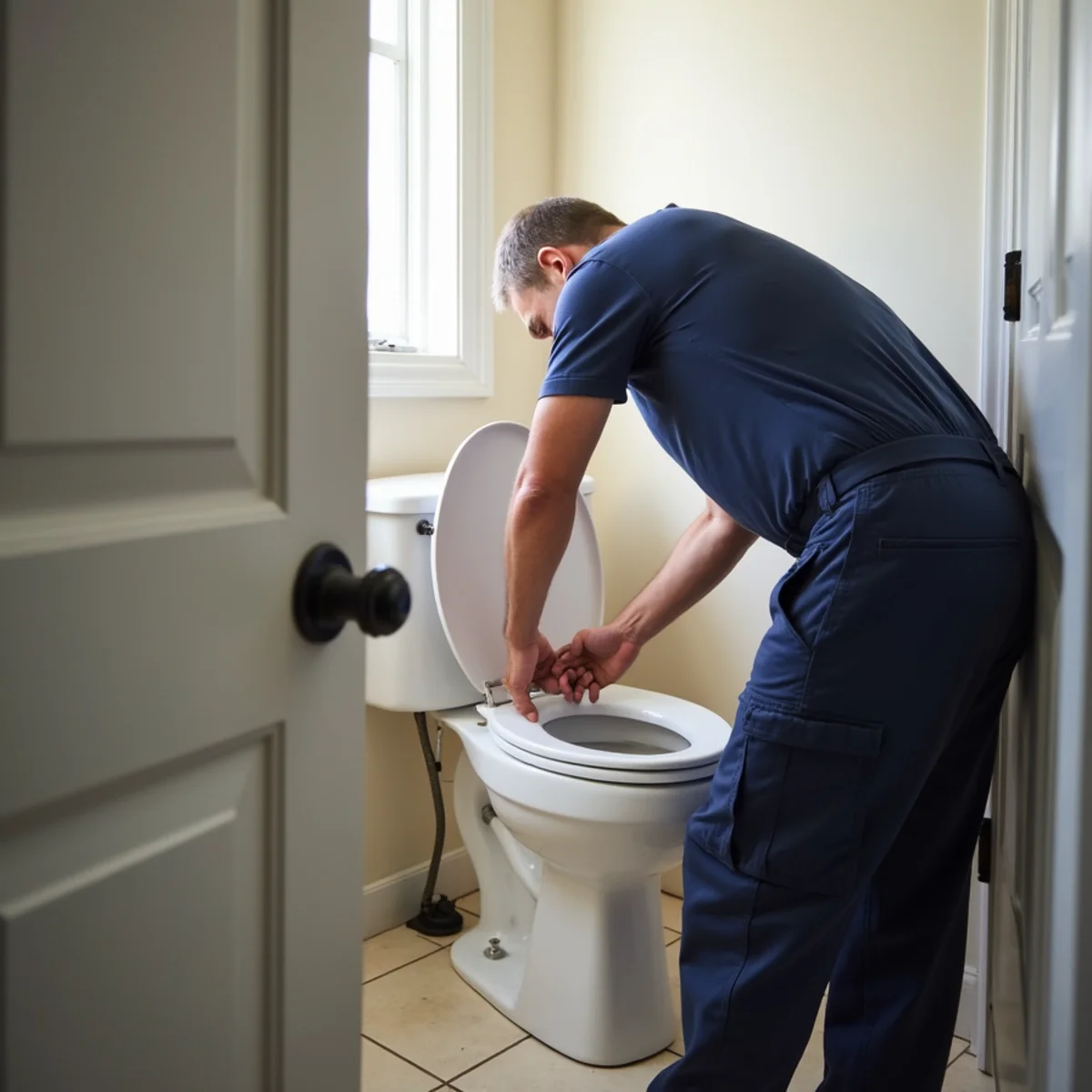
- Press a foot gently around the base of the toilet. A floor that feels soft or spongy signals a failing wax ring and subfloor rot.
- Watch for rocking. A toilet that moves is breaking its seal a little more with every use.
- Run a dry tissue along the caulk lines of the tub and shower. Failed caulk lets water into the wall cavity.
- Add a few drops of food coloring to the toilet tank; if color reaches the bowl without a flush, the flapper is leaking.
The water heater and its surroundings
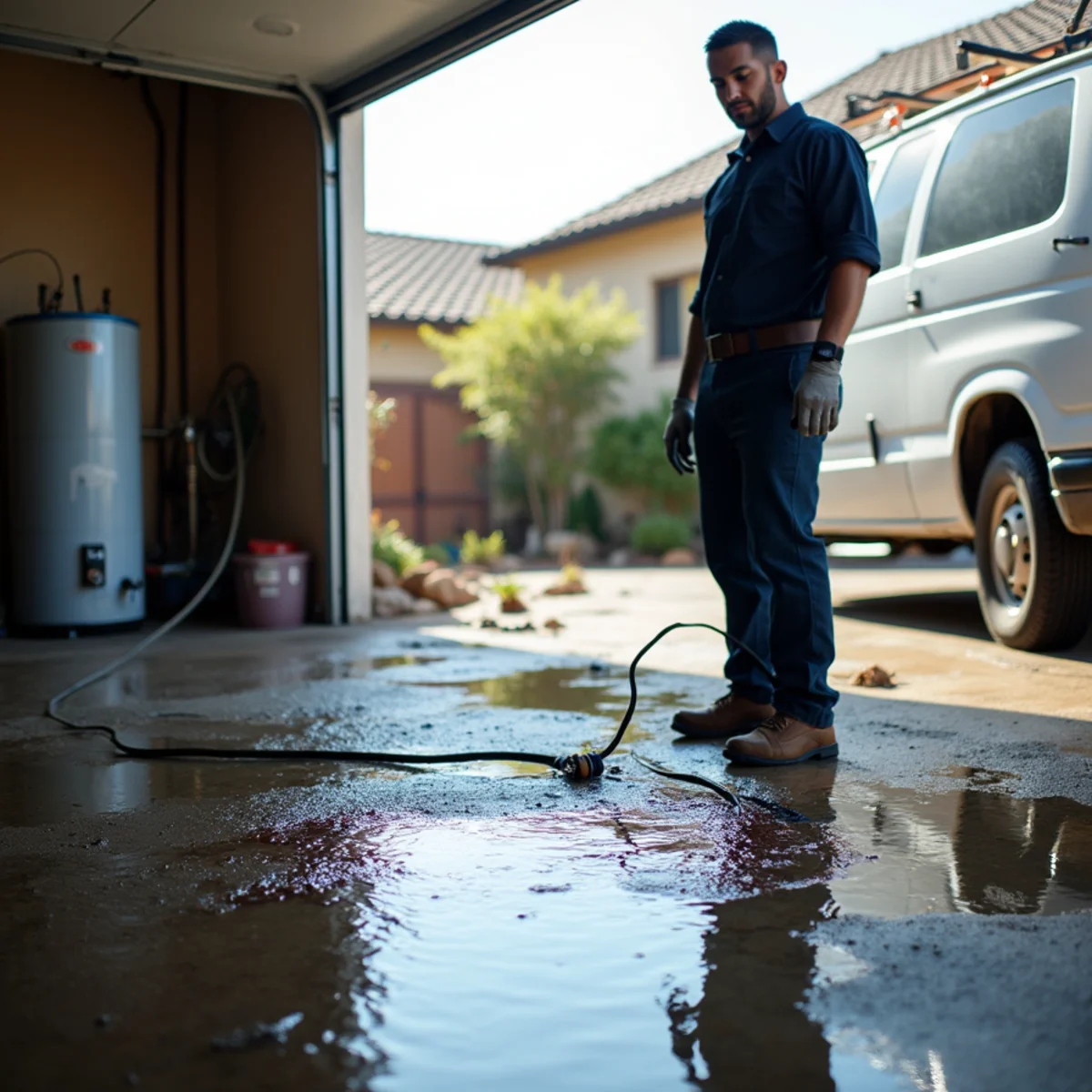
The water heater is the appliance most likely to flood a garage or closet, and it usually warns you first.
Look at the tank, the connections, and the drip pan. Rust at the base, moisture on the fittings, or water in the pan means the tank is on its way out. If yours is showing its age, our guide to when to replace washing machine hoses, water heaters, and supply lines explains the timelines that matter.
- Check the temperature-and-pressure relief valve and its discharge tube for drips.
- Scan the floor and pan for rust stains or standing water.
- Note the install date on the label. Past ten or twelve years, watch it closely.
Appliances that connect to water
Dishwashers, refrigerators with ice makers, and washing machines all rely on hoses and connections that fail with age.
- Pull the fridge out now and then and check the ice-maker line and the floor behind it.
- Look under and behind the dishwasher for staining at the front edge and the supply connection.
- Inspect washing-machine hoses for bulges, cracks, or rust at the coupling, and confirm the connections are snug.
The whole-house tells: meter and water bill
Some leaks are inside walls or under the slab, where no visual check will find them. Two simple tools catch those.
First, read your water meter, avoid using any water for two hours, then read it again. Movement means water is escaping somewhere. Second, watch your bill — an unexplained jump is often the first sign of a hidden leak. If either points to a problem you cannot see, professional Leak Detection can pinpoint it without tearing open walls. The warm-floor-spot and running-water clues are covered in our post on hidden leak symptoms.
- Run the two-hour meter test a few times a year, especially before a vacation.
- Compare each bill to the same month last year, not just to last month.
- Listen at night for the faint hiss of water running when everything is off.
When the walk-through finds something
A stain, a soft floor, or a musty smell is not a reason to panic — it is the system working. Caught early, most of these are a cabinet repair or a new supply line. Left for a year, the same leak becomes rotted subfloor and mold remediation.
If you turn up moisture you cannot trace, do not wait for it to get worse. We help homeowners across Pleasant Hill and the rest of the East Bay find and dry hidden leaks before they spread. Call (201) 277-9344 and describe what you found; often we can tell you over the phone whether it is a watch-it or a fix-it-now.
The pro trick: use the meter to localize a hidden leak
If you add just one instrument to the monthly walk-through, make it the water meter's low-flow indicator, the small triangle or star that spins on the faceplate. With every fixture off, a triangle that creeps is proof that water is escaping somewhere, and it catches losses far too slow to move the main dial in a two-hour test. It is the most sensitive tool a homeowner has, and it costs nothing.
You can even localize a hidden leak with it. Close the shut-off valve under one fixture at a time and watch whether the triangle stops; when it does, you have found the branch to investigate. If the indicator keeps creeping with everything isolated, the leak is on the main line, inside a wall, or under the slab, which is the point to stop guessing and call for leak detection rather than opening drywall on a hunch. One habit to add for anyone with a tank water heater: glance at the temperature-and-pressure relief tube for drips, since a weeping relief valve is an early warning most monthly checks miss.
Frequently asked questions
Related pages
Water Concord
IICRC-certified water damage restoration, based in Concord and serving all of Contra Costa County. We answer 24/7 — if you’re dealing with water damage right now, call (201) 277-9344.