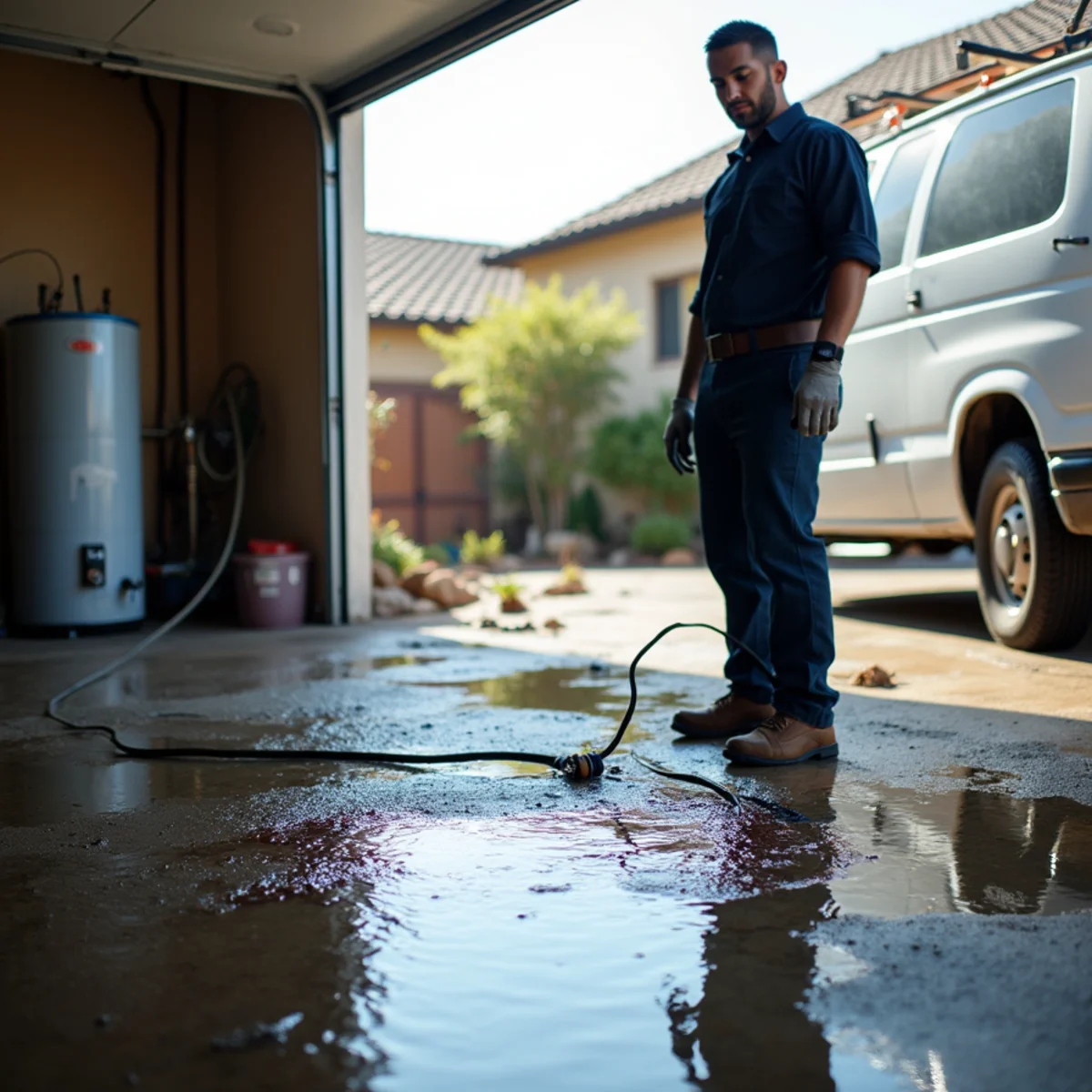
The East Bay stays dry for months, then makes up for it in a hurry. Most of Concord's 18 to 22 inches of rain falls between December and March, and increasingly it arrives in a handful of atmospheric rivers that dump inches in a day. The first big storm is the one that finds every clogged gutter, cracked flashing, and dead sump pump you meant to deal with over the summer.
The good news is that almost every winter water loss we clean up was preventable with an afternoon of work in October. Walk through the checklist below before the rains start. It moves from the roof down to the yard, and it ends with the one thing most people forget — a plan for what to do if water gets in anyway.
Start at the top: roof, flashing, and attic
Water almost always enters from above first. Before the season turns, look for the small failures that a summer of sun opened up.
- Scan the roof from the ground with binoculars for cracked, curled, or missing shingles, and replace them before they let water under the deck.
- Check the flashing around chimneys, skylights, and vents. Dried, lifted, or rusted flashing is the most common storm-leak entry point.
- Look inside the attic on a sunny day. Pinholes of light mean pinholes of water later, and stains on the sheathing show where past leaks got in.
- Clear leaves and debris out of the roof valleys, where water concentrates and backs up under the shingles.
- Confirm the attic insulation is dry and evenly spread. Compressed, stained insulation is a sign of a slow leak you have not caught yet.
Clear the gutters and downspouts
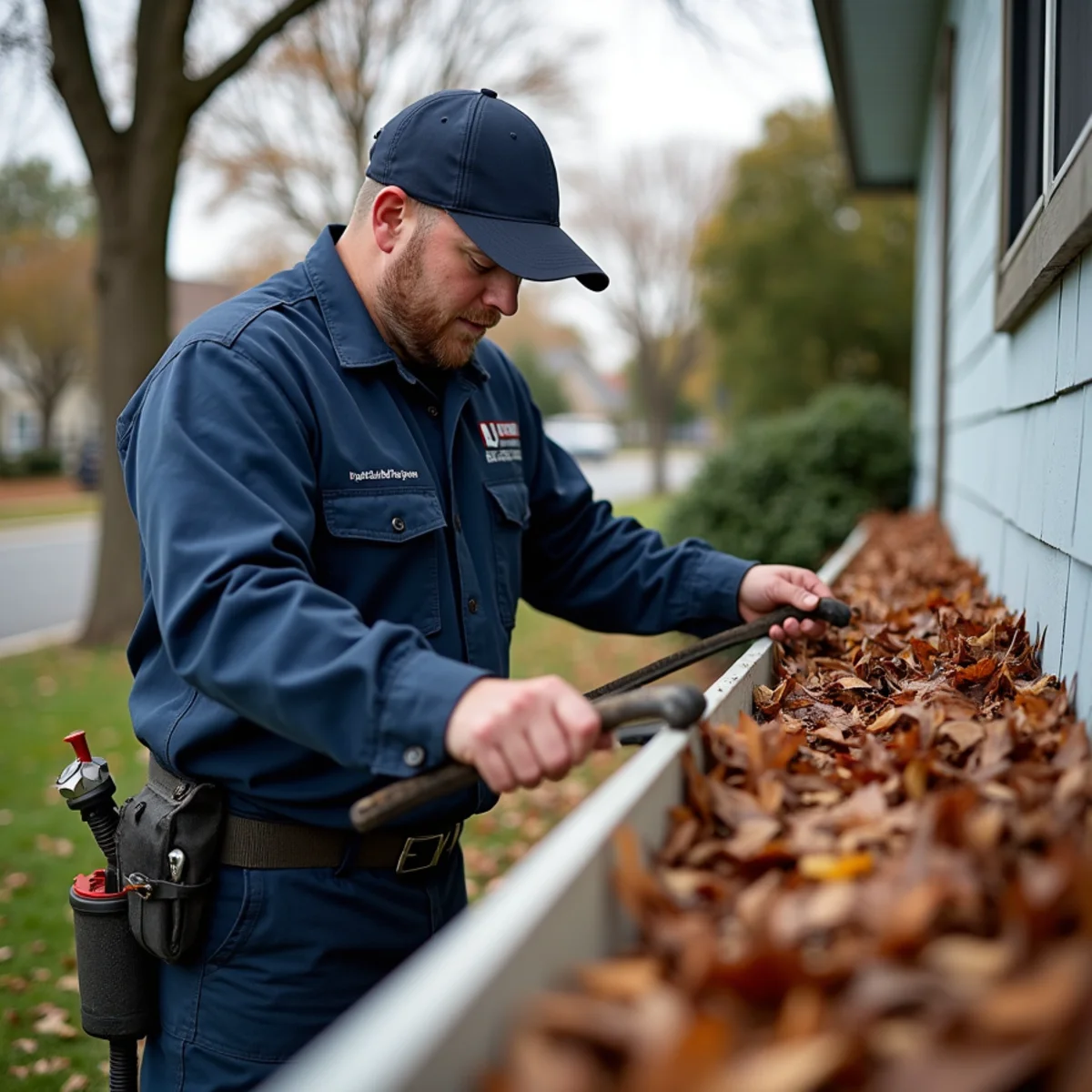
Gutters are your home's first drainage system. When they clog, water sheets down the walls and pools against the foundation instead of running off.
- Scoop out every gutter run by hand, then flush it with a hose to confirm it actually drains.
- Check that downspouts carry water at least four to six feet from the foundation, not straight down beside it.
- Reseat any gutter section that has pulled away from the fascia or lost its slope.
- Add extensions or splash blocks anywhere a downspout dumps too close to the house.
Test the sump pump and low-point drainage
If your home has a sump pump, a crawlspace, or a low garage, this is the section that saves you. A pump that sat idle all summer is the one that fails on the first wet night.
- Pour a bucket of water into the sump pit. The float should rise, the pump should kick on, and the pit should empty. If it does not, service it now.
- Confirm the discharge line runs clear and carries water well away from the house.
- Consider a battery backup pump. Winter storms bring power outages, and that is exactly when the pump is needed most.
- Walk the yard and note where water pools. Those low points are where it will try to get inside.
Trim trees and secure the yard
Wind comes with the rain. Saturated soil plus a strong gust is how healthy-looking limbs end up on roofs.
- Trim branches that overhang the roof or lean toward the house.
- Remove dead or leaning trees before the ground softens and gives up their roots.
- Clear yard drains, area drains, and swales of leaves and mud so they can carry runoff.
- Store or secure patio furniture and anything that can turn into a projectile in high wind.
Know your shut-offs and stage supplies
When water is coming in, the difference between a mop-up and a gut job is often measured in minutes. Prepare the fast-response basics now, while it is calm.
Learn where your main water valve is and confirm it turns — our guide on how to find and shut off your home's main water valve walks through it. Then stage a few supplies where you can reach them in the dark.
- Flashlights with fresh batteries, plus a headlamp for hands-free work.
- A wet/dry vacuum, towels, and a stack of old blankets to build quick barriers.
- Tarps and a roll of plastic sheeting to protect furniture or cover a roof breach.
- The phone number of a restoration crew, saved before you need it.
Have a storm-damage plan before you need one
Even a well-prepped home can take on water when a foot of rain falls in a day. What matters then is how fast the structure gets dried. Standing water and wet drywall can grow mold in as little as 24 to 48 hours, so the clock starts the moment water gets in.
If a storm gets past your defenses, shut off the source if there is one, move valuables up and out, and call for Storm Damage Cleanup right away. We serve homes across the East Bay, from Concord out to Walnut Creek, and fast extraction is what keeps a wet floor from becoming a mold problem. You can reach our crew any hour at (201) 277-9344.
Check your coverage before the season, not after the loss
Here is the prep step that has nothing to do with a ladder and saves people the most money: read your insurance policy before the rains, not after a claim. A standard homeowners policy covers sudden internal water damage like a burst pipe, but most exclude surface flooding and drain or sewer backup unless you have specifically added those endorsements. Homeowners near a creek or at the bottom of a slope often assume they are covered for the exact loss their policy leaves out. Call your agent now and ask, in plain terms, what a storm-driven water event would and would not pay for.
While you are at it, build a baseline. Walk the house with your phone and photograph the roof, gutters, and each room's condition before the season, so that if you do file a claim you can show what changed. Keep the images and your policy number somewhere you can reach from your phone. Then, if a covered event gets past your defenses, the priority is speed, and our Concord water damage crew documents the loss as we extract and dry, giving your adjuster the dated evidence that keeps a claim moving instead of stalling.
Frequently asked questions
Related pages
Water Concord
IICRC-certified water damage restoration, based in Concord and serving all of Contra Costa County. We answer 24/7 — if you’re dealing with water damage right now, call (201) 277-9344.