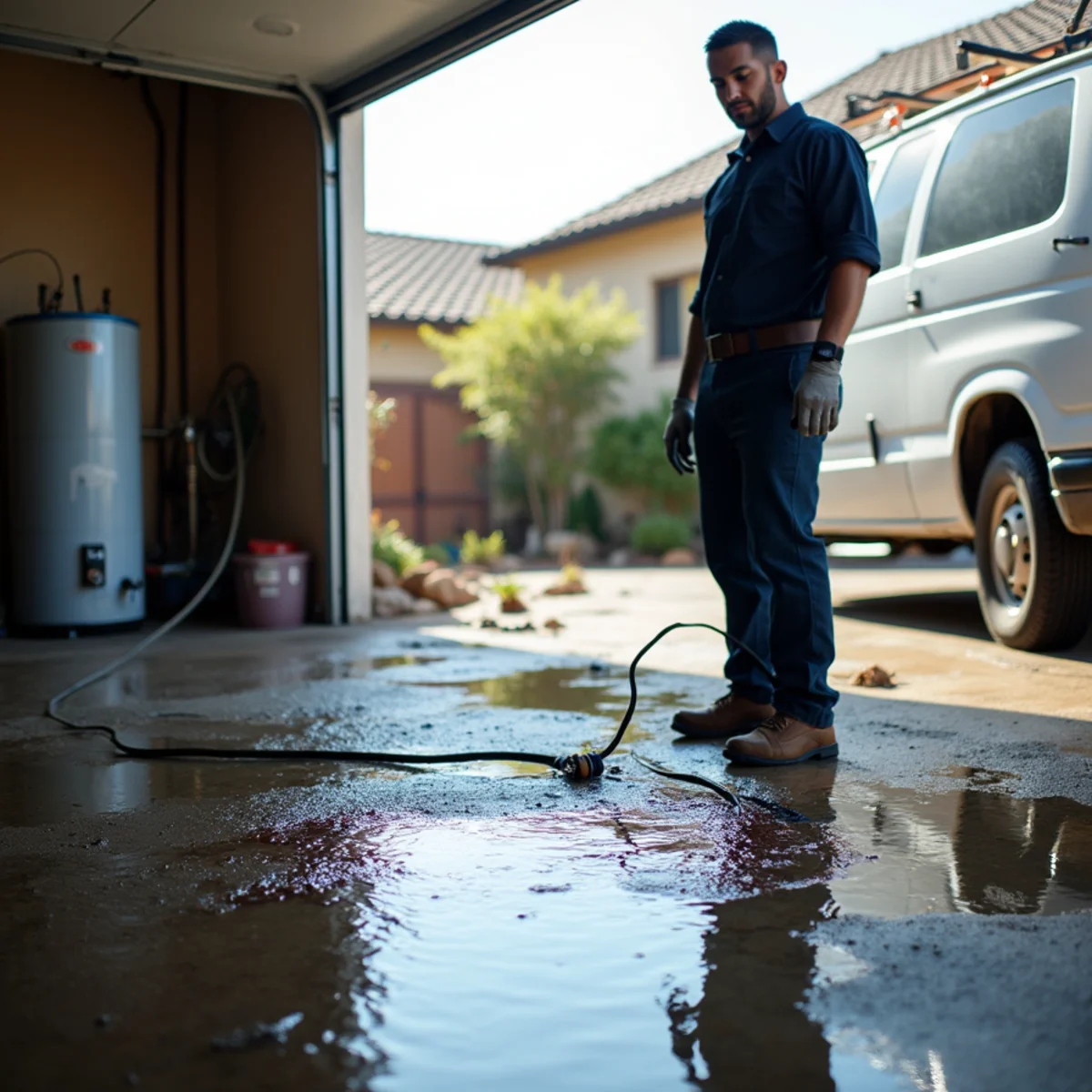
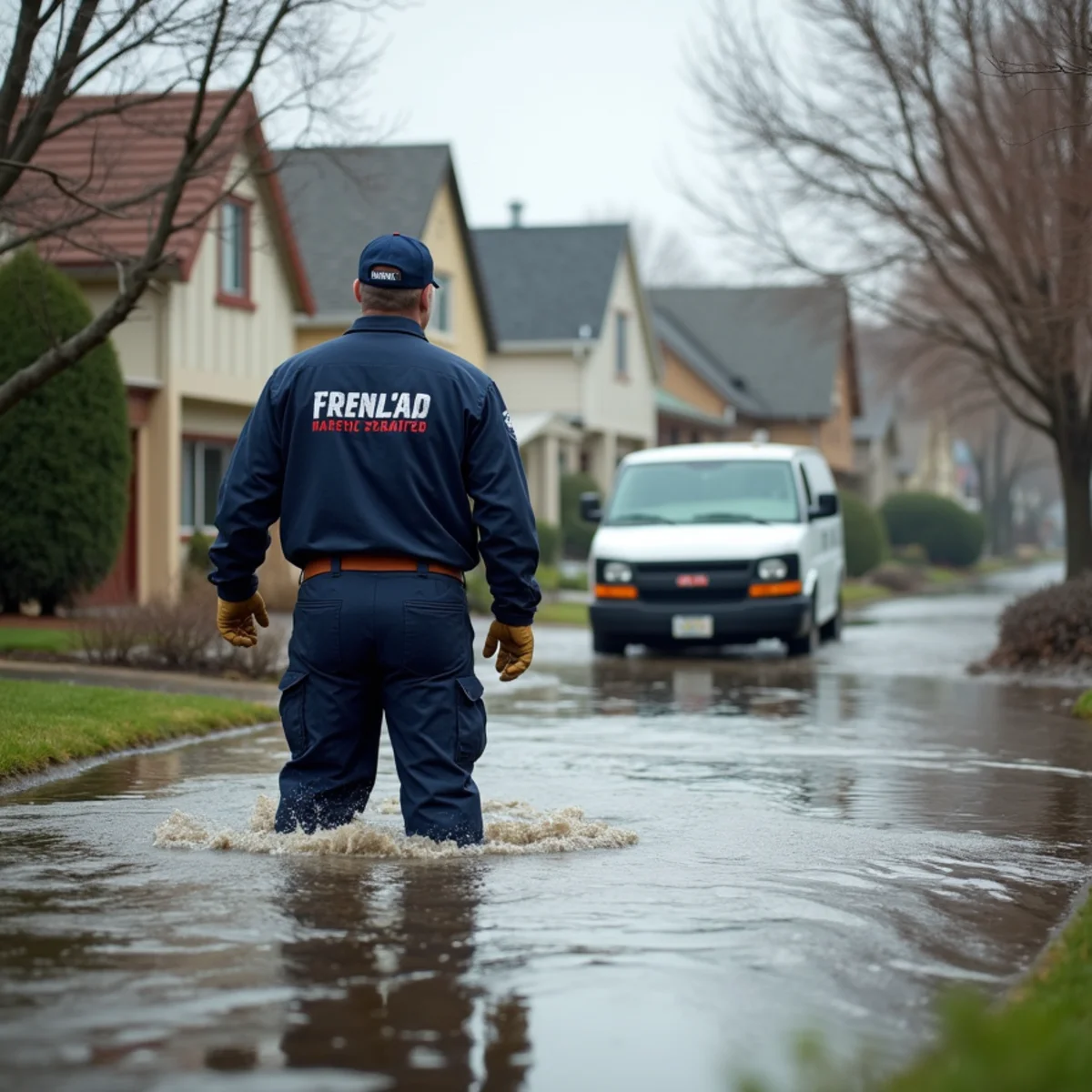
Concord exists because of a flood. Not a metaphor — an actual disaster. In the winter of 1861 into 1862, one of the largest floods in California's recorded history turned the Central Valley into an inland sea and swamped the low-lying towns of the East Bay. The trading town of Pacheco, then the commercial hub of this part of Contra Costa County, took the brunt of it.
Within a few years, merchants who had watched their storefronts flood packed up and moved to higher, drier ground a couple of miles south. In 1869 they laid out a new town around a central square — Todos Santos, the settlement that became Downtown Concord. The lesson those nineteenth-century merchants learned the hard way still applies to every homeowner here: water goes where the land sends it, and the smart move is to plan for that before the storm.
The Great Flood of 1861-62
The winter of 1861-62 brought weeks of relentless rain and snowmelt across California. Rivers jumped their banks, the young state capital in Sacramento sat underwater, and the flooding reached deep into the valleys and baylands. In our corner of Contra Costa County, the creeks that drain toward Suisun Bay swelled and spread across the flats where Pacheco stood.
Pacheco had been the natural place to build — close to the water, convenient for shipping grain and goods down to the bay. That same low elevation is what made it vulnerable. Floodwater and the silt it carried did not just interrupt business; combined with later floods and fires, it made the location itself a liability that repeat disaster kept punishing in the years that followed.
Why the merchants chose higher ground
Salvio Pacheco, whose family held the surrounding land grant, offered acreage on the higher plain to the south. Merchants relocated, and in 1869 the new town was surveyed around a plaza — the square we now know as Todos Santos Plaza. The choice was deliberate. Higher ground meant the storms that had drowned Pacheco would run past, not through.
That instinct built the core of modern Concord. It is also the single most important idea in flood protection: elevation and drainage decide who floods and who stays dry. The homes and businesses that sit lower, or where water has nowhere to go, are the ones that pay when a big storm lands.
The same water still moves through Concord
The megaflood was extreme, but the drainage pattern it exploited has not changed. Rain that falls on Mount Diablo and the surrounding hills still runs down through Concord's creeks toward Suisun Bay, and the flats still fill first when a storm overwhelms the channels. Contra Costa County Flood Control now manages an engineered network of creeks and channels that did not exist in 1862, which is why we do not see nineteenth-century-scale disasters. But the water is the same water, and the low spots are still the low spots.
Today roughly 7,000 Concord properties — close to one in five citywide — sit at moderate flood risk over a 30-year window. That is a large enough share that most parts of town have at least some homes in the risk band, not just the neighborhoods nearest the creeks. Add the intensifying atmospheric rivers that stack storms back to back, and the nineteenth-century lesson reads as current advice.
What the 1869 decision means for your home in 2026
You cannot relocate your house to higher ground, but you can apply the same logic at your own property line:
- Know where your low points are. Water pools at the base of slopes, along fence lines, and wherever the grade tips toward the house.
- Keep water moving away from the foundation with graded soil, clear gutters, and downspouts that discharge well clear of the walls.
- Understand your flood risk — moderate-risk does not mean no-risk, and standard homeowners insurance does not cover rising surface water.
- Have a plan for the first hour of a flood, because that is when fast action keeps a few inches of water from becoming a gutted first floor.
When the water gets in anyway
Even a well-drained home can flood when a channel tops its banks or a storm drops more rain than the ground can take. Storm flooding is different from a burst pipe: it often carries mud, debris, and contaminants, which changes how the cleanup has to be handled. Getting the water out fast and drying the structure to standard is what limits the loss.
Our flood cleanup crews work throughout Concord and the county, and we treat storm water as potentially contaminated until proven otherwise. If a storm has already pushed water inside, our guide on what is salvageable after a flood helps you triage while help is on the way.
The flood-insurance timing most homeowners get wrong
The nineteenth-century merchants moved uphill because elevation was the only flood protection they had. You have a layer they did not — a flood policy — but only if you buy it in time, and two local realities trip people up. First, a standard flood policy carries a 30-day waiting period before it takes effect, so binding coverage as the first atmospheric river appears on the forecast is already too late. The time to buy is early fall, well ahead of the December-to-March window.
Second, most Concord flood losses do not happen in the FEMA high-risk zones where a mortgage lender forces you to carry insurance. They happen in the moderate-to-low 'Zone X' areas — the very properties whose owners assume they are safe because no one required a policy. Coverage there sells at preferred-risk rates that are often surprisingly affordable, precisely because the mapped odds are lower. For a home near a creek corridor or an old low spot, it is cheap protection against the kind of event that founded this city. If storm water gets inside despite it all, our flood cleanup crews document the loss the way an adjuster needs to see it.
Frequently asked questions
Related pages
Water Concord
IICRC-certified water damage restoration, based in Concord and serving all of Contra Costa County. We answer 24/7 — if you’re dealing with water damage right now, call (201) 277-9344.