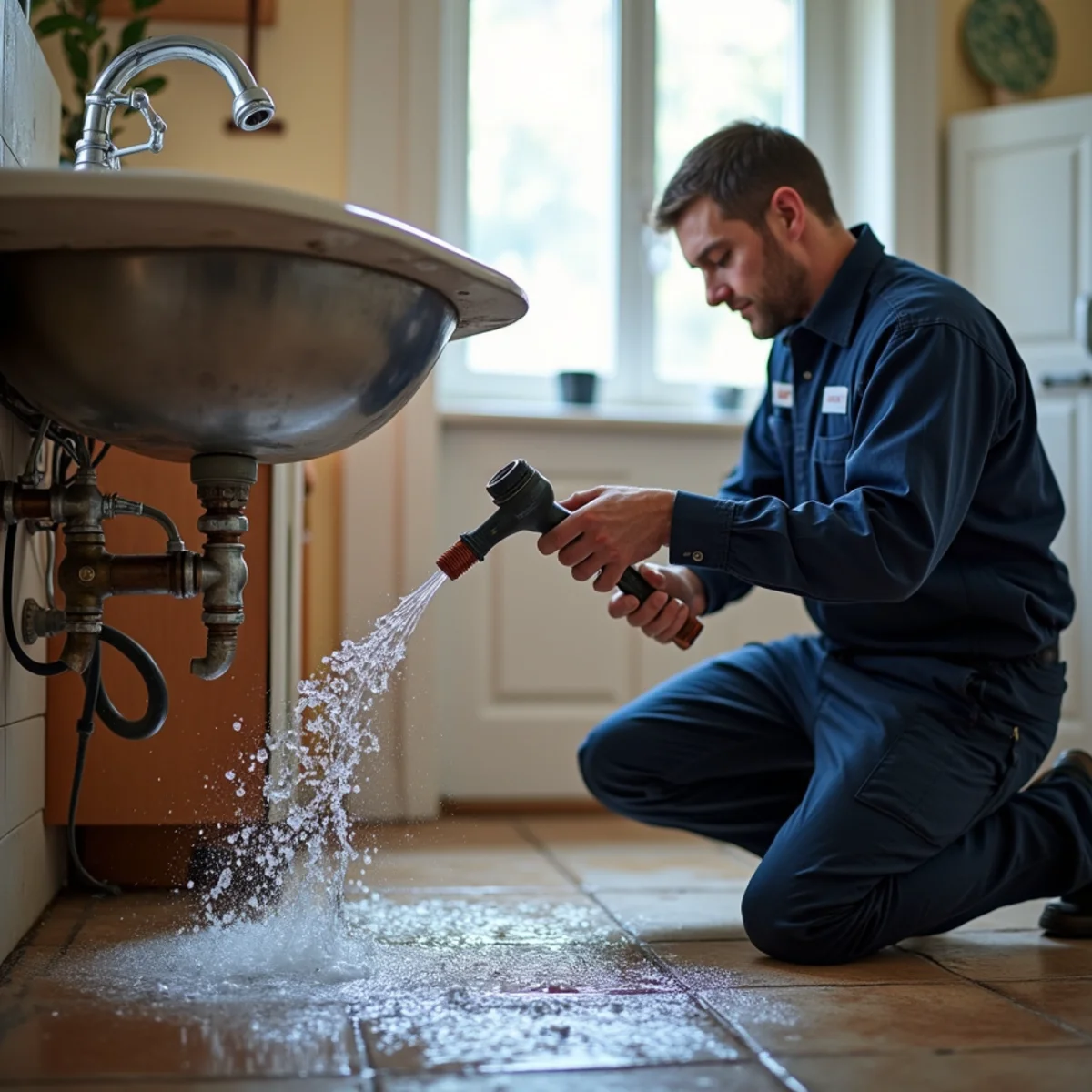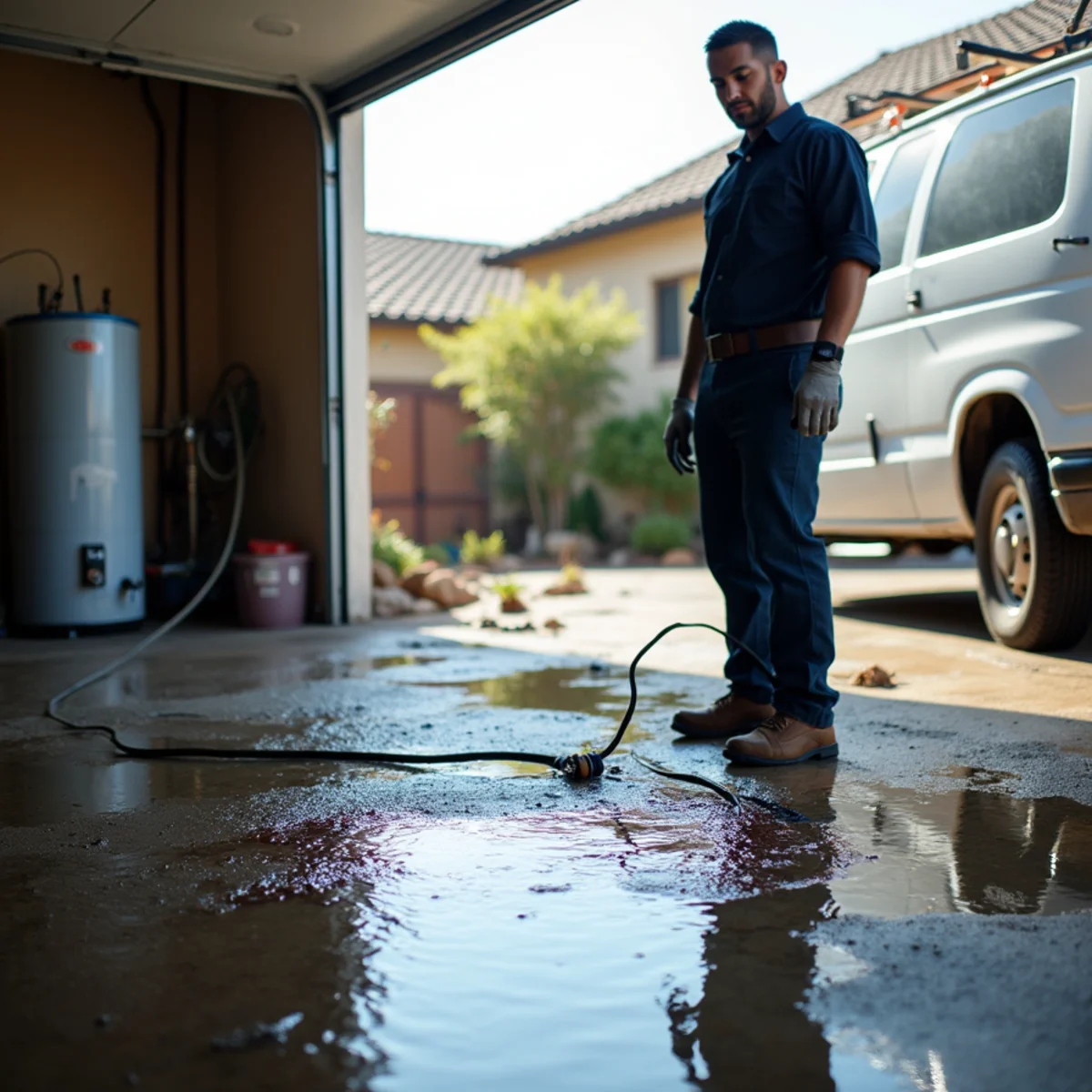
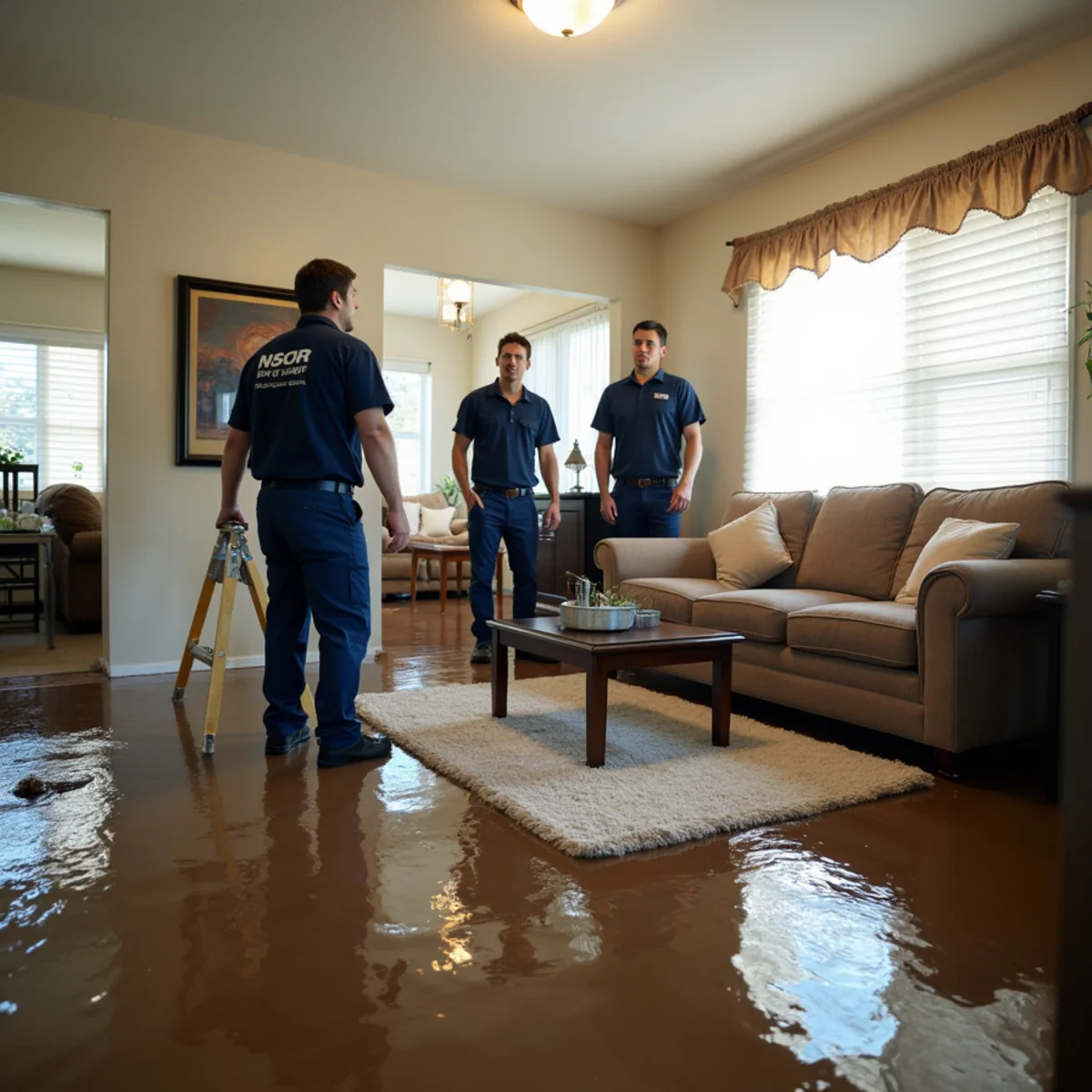
The storm pushed water under the door and across the floor, and now you are standing in it trying to figure out what you just lost. The instinct is to save everything and hope it dries. With storm flooding, that instinct will get you hurt. The water that came in from outside is not the same as a clean pipe leak, and it changes every decision you are about to make.
Stormwater that runs across ground, streets, and yards is contaminated by the time it reaches your living room. That single fact — not sentiment, not the price tag on an item — is what decides whether something can be cleaned and kept or has to be thrown out. Here is a clear, honest guide to sorting it out, part of doing flood cleanup right in low-lying areas like the Port Chicago Highway area of Concord.
First rule: floodwater is not clean water
Under the IICRC S500 standard, stormwater and rising surface water are classified as Category 3 — 'black water.' It can carry sewage, agricultural and road runoff, chemicals, bacteria, and whatever it picked up on the way in. Anything it soaked into is now a contamination question, not just a wetness question.
That reframes the whole cleanup. You are not asking 'will this dry?' You are asking 'can this be cleaned and disinfected to a safe standard, or does the material trap contamination for good?' Porous items usually fail that test; hard, non-porous ones usually pass it.
What has to go
Porous and absorbent materials that soaked up Category 3 water cannot be reliably disinfected and should be discarded. Do not try to save these:
- Carpet and carpet pad that were submerged — the pad especially holds contamination.
- Drywall and insulation touched by floodwater, which wick and trap it in the core.
- Upholstered furniture and mattresses, which cannot be disinfected all the way through.
- Particleboard and pressed-wood furniture, which swell and fall apart once soaked.
- Food, cosmetics, and medicines that contacted the water, including sealed items with porous packaging.
- Baby items and pillows — anything soft that a child or your face touches directly.
What can usually be saved
Hard, non-porous materials can typically be cleaned, disinfected, and kept, provided they are handled promptly and dried out. Good candidates:
- Solid wood furniture, once cleaned, disinfected, and dried slowly to avoid cracking.
- Metal, glass, and hard plastic items, which wipe down and sanitize well.
- Sealed concrete and ceramic tile floors, after thorough cleaning and disinfection.
- Dishware, cookware, and utensils, washed and sanitized before reuse.
- Jewelry and hard valuables, cleaned and inspected individually.
The judgment calls
Some items live in the gray zone, where the decision is about value and risk rather than material. Electronics that got wet should be considered a loss for safety reasons unless a professional can verify them — do not power anything on until it is checked. Irreplaceable items like photos, documents, and heirlooms are worth attempting to save even when the odds are long; a specialist can sometimes freeze-dry or restore paper and photographs that would otherwise be lost.
When you are unsure, lean toward safety with anything porous that touches skin, food, or a child, and lean toward restoration only for items whose value justifies specialized cleaning. There is no shame in throwing out a soaked couch; there is real risk in keeping it.
Document before you discard
Before anything goes to the curb, photograph it. Insurers reimburse what you can prove, and a soaked sofa hauled away before it was documented is a claim you may not recover. Take wide shots of each room and close-ups of individual items, and keep a written inventory as you go. Our guide to documenting water damage for a claim walks through exactly what adjusters look for.
One caution specific to flooding: standard homeowners policies usually exclude rising surface water, so storm flooding is often covered only under a separate flood policy. Document either way — it costs nothing and protects you if coverage applies.
The Port Chicago Highway low-ground angle
The Port Chicago Highway area of Concord sits on the lower, flatter ground in the north of the city, closer to the creeks and the Suisun Bay drainage. When a heavy atmospheric river stalls over the East Bay, water in these neighborhoods has fewer places to go and can back up across yards and into homes fast. Speed matters here more than most places — the sooner contaminated water is extracted and porous materials are pulled, the more of the house is salvageable.
For homes on this low ground, a quick, methodical flood cleanup — extract, discard the unsalvageable, disinfect the rest, and dry the structure — is what keeps a one-time flood from turning into a lasting mold and odor problem.
Pro insight: cleaning and disinfecting are two separate steps
The mistake that undoes a lot of flood cleanups is spraying disinfectant onto a dirty surface and calling it done. Antimicrobials do not work through mud, silt, or the biofilm floodwater leaves behind — that layer shields the contamination underneath. Category 3 cleanup is always two distinct steps: physically clean the surface first, then disinfect the clean surface, and let the product sit for its full dwell time.
That dwell time is the detail people skip. Every disinfectant has a contact time on its label — often several minutes — during which the surface must stay visibly wet to actually kill pathogens. Wipe it off early and you have done little more than rearrange the germs.
The other discipline that decides the outcome is containment. Once a room is contaminated, everything that leaves it — tools, boots, debris — can track black water into clean parts of the house. We set one path in and out, bag material at the source, and clean equipment before it crosses back. Getting that right is a core part of doing storm damage cleanup safely, so the cleanup itself does not quietly spread the contamination it is meant to remove.
Frequently asked questions
Related pages
Water Concord
IICRC-certified water damage restoration, based in Concord and serving all of Contra Costa County. We answer 24/7 — if you’re dealing with water damage right now, call (201) 277-9344.