
When water floods a room, your instinct is to start cleaning. Resist it for ten minutes. The evidence you capture in those first minutes is what your insurance claim will live or die on — and once the water is gone and the drywall is out, you can't get it back.
Adjusters approve what's documented and question what isn't. The good news: strong documentation is simple if you're methodical. This checklist walks through exactly what to photograph, what to write down, and what to keep, so your claim moves fast and you get paid for the full loss.
Before you touch anything: safety first
Documentation matters, but not more than your safety. If water is near outlets or the electrical panel, or if it's sewage or floodwater, keep your distance and let professionals handle it. You can still photograph from a safe spot.
If it's safe, stop the water source — shut off the supply valve or the main — before you start shooting. Stopping the flow is also part of your duty under the policy to prevent further damage.
Step 1: Photograph everything, wide then close
Shoot far more than you think you need. Start wide to establish the scene, then move in close on the details.
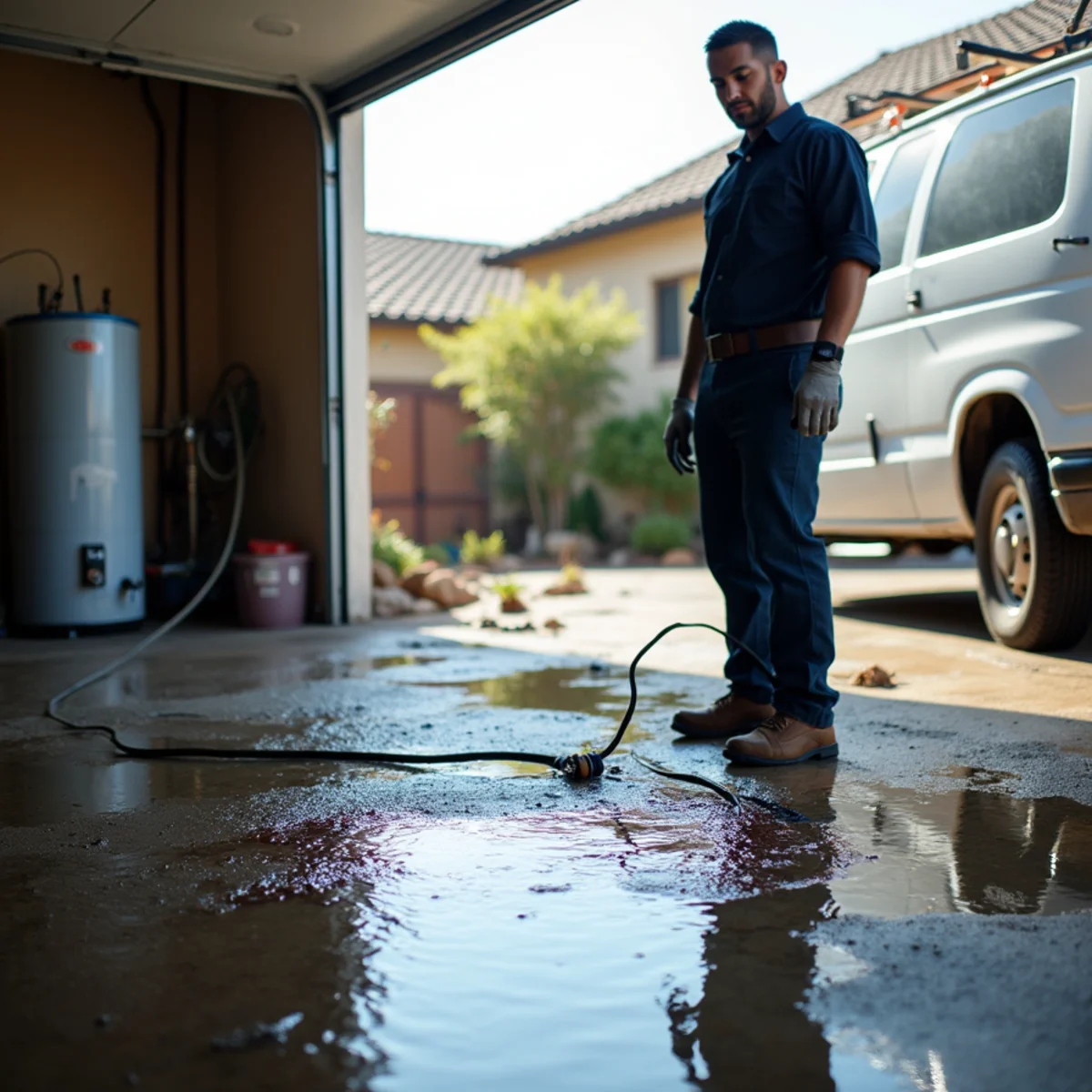
- Wide shots of each affected room showing the full extent of the water.
- Close-ups of standing water, wet flooring, stained walls and ceilings, and warped baseboards.
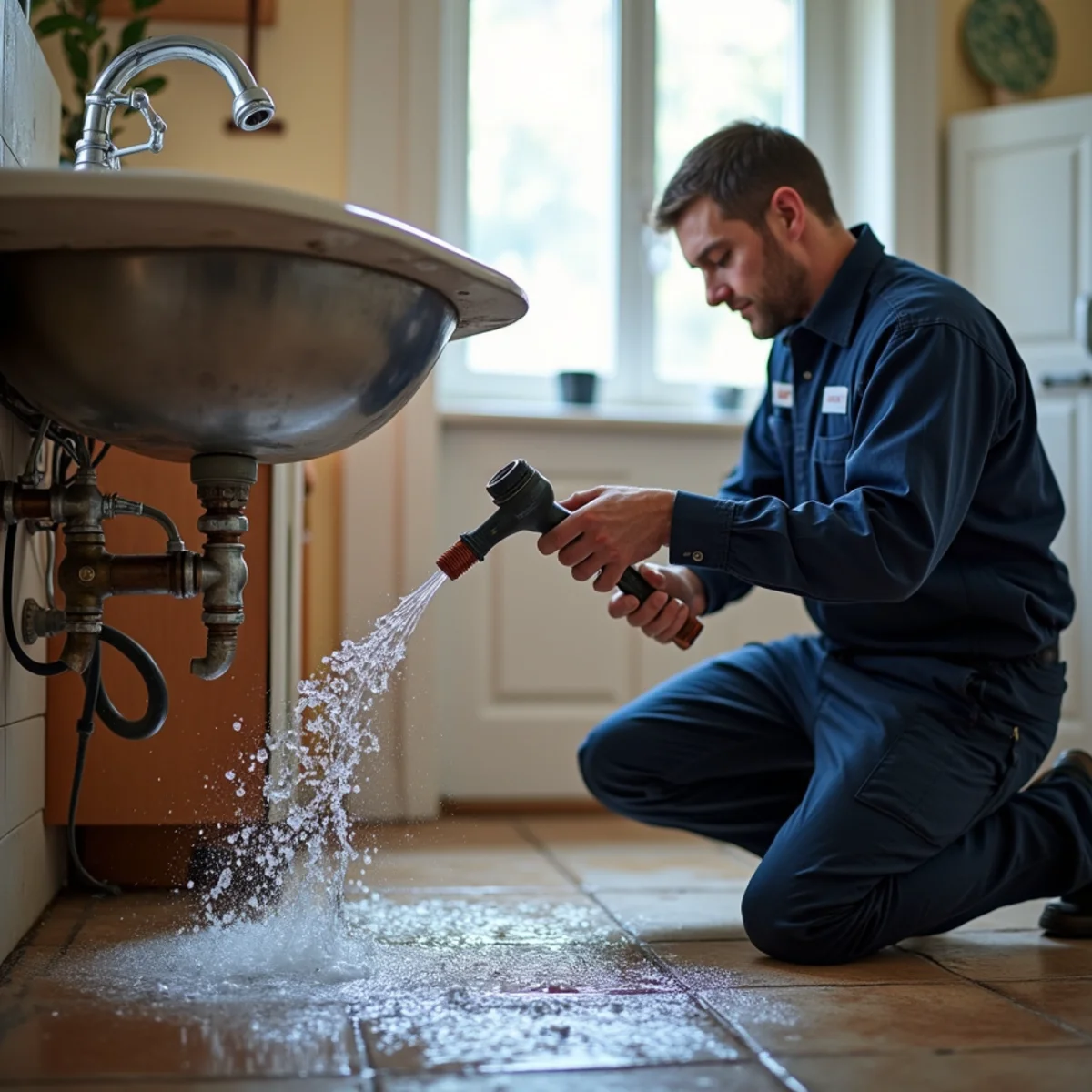
- The source — the burst pipe, failed hose, or overflowing fixture — before you fix or remove it.
- Damaged belongings, individually: furniture, electronics, rugs, boxes, clothing.
- Timestamps. Turn on your phone's date stamp or note the time; it anchors the loss to a moment.
Step 2: Shoot video with narration
Photos prove condition; video proves scale. Walk slowly through each affected area recording a continuous clip, and narrate as you go: what happened, when you found it, which rooms are affected. A calm spoken walkthrough — 'this is the hallway, water reached the bedroom door' — gives the adjuster context a still image can't.
Keep the original files. Don't crop, filter, or edit them; carriers may ask for unaltered originals with intact metadata.
Step 3: Make an inventory and save the evidence
Build a written list alongside the images. For each damaged item, note:
- What it is, and if you know, its age and rough replacement cost.
- Whether it's repairable or a total loss.
- Any make, model, or serial number still legible.
Step 4: Track every expense and action
From the first minute, keep receipts. Emergency 24/7 emergency water removal, a hotel if the home is unlivable, tarps, fans you bought, a plumber's invoice — covered claims often reimburse these mitigation costs, but only with proof. Start a simple log: date, what you did, who you called, what it cost.
Save the physical evidence too. Bag and keep the failed part, and don't throw out damaged materials until your adjuster has seen them or cleared their removal. Note the timeline — when you discovered the damage, when you shut off the water, when you called for help. A clear timeline supports the sudden-and-accidental story most water damage claims in California depend on.
Step 5: Call your insurer and a restoration pro promptly
Report the claim quickly — most policies require prompt notice. Then bring in a restoration company that documents professionally: moisture readings, a written scope, and drying logs your adjuster will recognize. On jobs from Concord to Martinez, that paper trail is often what turns a contested claim into an approved one.
One caveat worth repeating: coverage depends on your specific policy and carrier. Good documentation makes your case as strong as it can be, but it doesn't override an exclusion. When you're unsure what's covered, ask your agent to walk you through it.
After you file: the recoverable depreciation most people forget
Strong documentation gets your claim approved — but how the payout is structured is where money quietly slips away. Many California policies with replacement-cost coverage pay in two stages. First you get an actual-cash-value check: the repair cost minus depreciation for age and wear. The remaining 'recoverable depreciation' is held back and released only after you complete the work and submit the final, paid invoices.
Homeowners lose real money here every year. They deposit the first check, do partial repairs or none at all, never send in the completion paperwork, and forfeit the withheld portion — sometimes thousands of dollars they were entitled to. If your policy is replacement-cost, finish the repairs and file the final invoices from your water damage restoration company to recover it.
While you're at it, compare the adjuster's estimate line by line against your restoration company's scope. Missing items — detach-and-reset, drying-equipment days, antimicrobial application — are common, and a professional scope gives you the grounds to request a supplement.
One caution: actual-cash-value and replacement-cost policies work differently, and depreciation rules vary by carrier. Check whether your policy reads 'ACV' or 'RCV,' and ask your adjuster exactly what's required to release any held-back depreciation before you sign off on the claim.
Frequently asked questions
Related pages
Water Concord
IICRC-certified water damage restoration, based in Concord and serving all of Contra Costa County. We answer 24/7 — if you’re dealing with water damage right now, call (201) 277-9344.