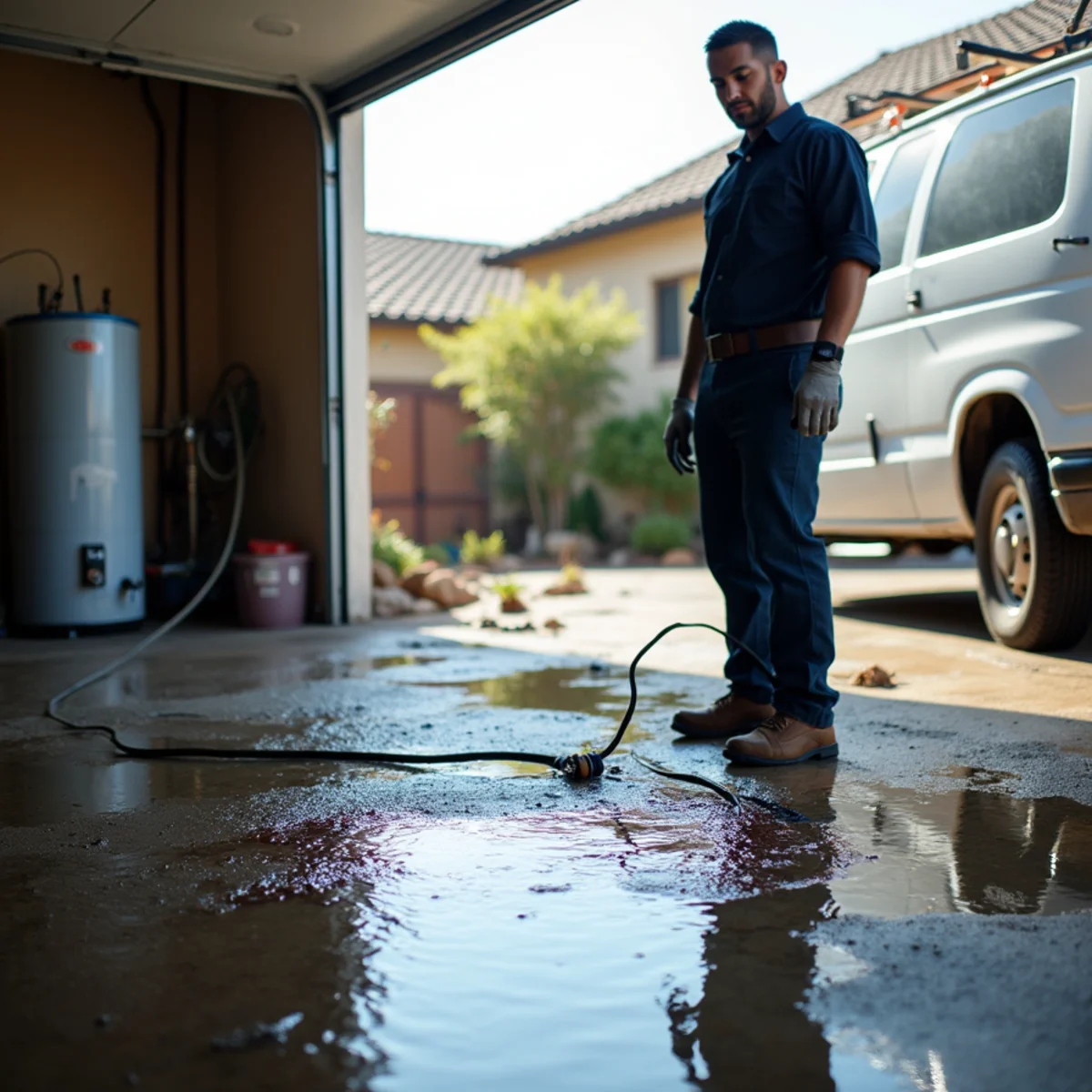
A burst supply line can put hundreds of gallons on your floor before you get home from work. That is the problem smart water sensors and automatic shut-off valves are built to solve — they watch for water around the clock and, in the case of shut-off valves, turn it off for you. The question every homeowner asks is whether they are worth the money or just another gadget.
We clean up after the exact failures these devices are designed to prevent, so we have a clear view of where they help and where they do not. Here is a straight answer: the sensors are cheap and worth it for almost everyone, and the whole-home shut-off valves cost more but pay for themselves the first time they catch a leak you would have missed.
What each device actually does
These are two different tools that people tend to lump together. It helps to separate them.
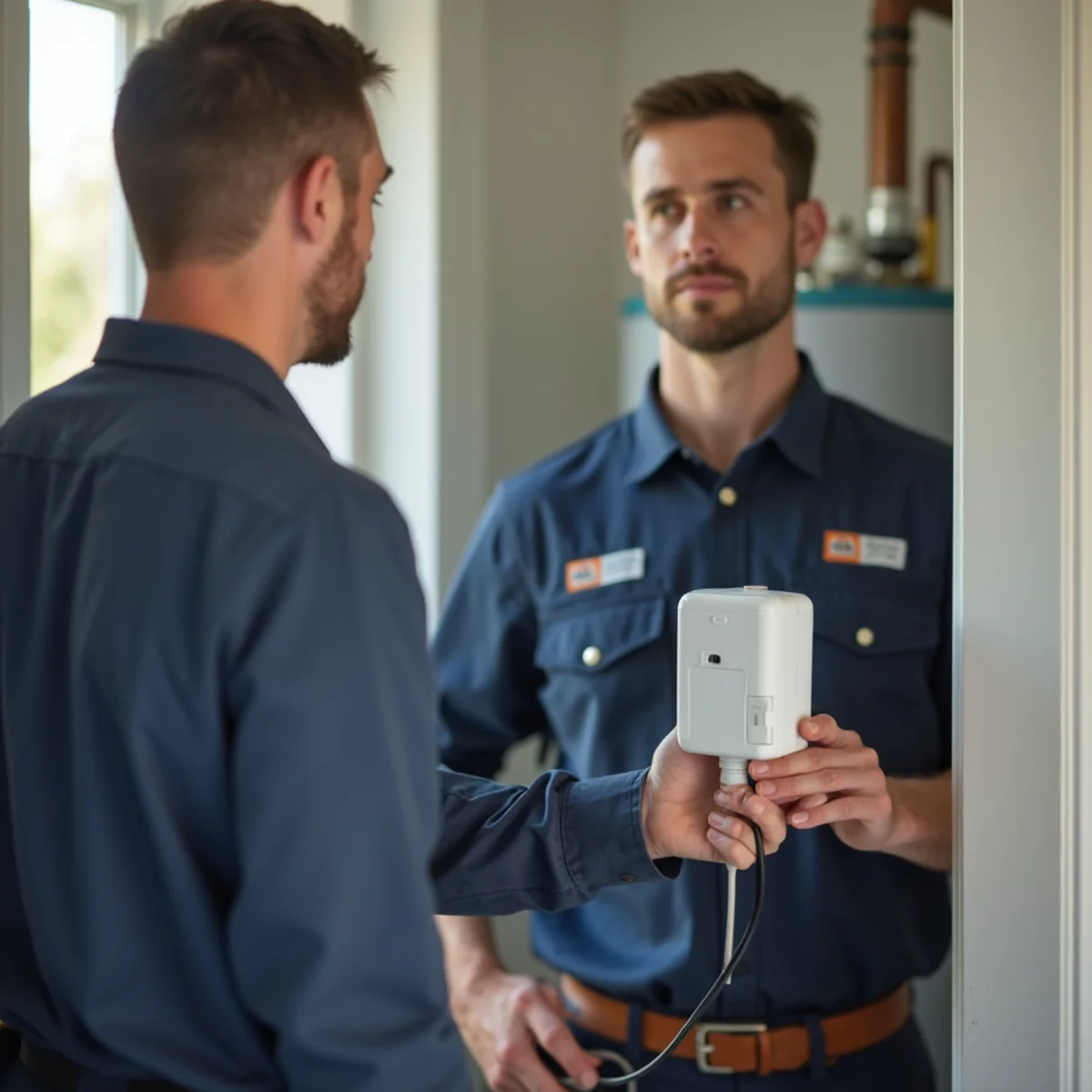
- Point leak sensors are small, battery-powered pucks you set on the floor near risk spots. When they detect water, they sound an alarm and push a phone alert. They do not stop the water — they tell you about it.
- Automatic shut-off valves install on your main line. They sense abnormal flow or a signal from paired sensors and physically close the water off, stopping the leak whether you are home or not.
- Flow-monitoring systems learn your normal usage and flag anomalies — a toilet running for hours, a line that never stops — before a slow leak becomes visible damage.
Where sensors earn their keep
Point sensors are inexpensive, and you place them exactly where we find the most appliance and fixture failures. For most homes, a handful of them covers the real risk.
Put them where water hides and where a leak would run unseen. These are the same spots covered in our 10-minute monthly leak inspection — the sensor is just the version that watches while you are away.
- Next to the water heater and in its drip pan.
- Behind or under the washing machine and the dishwasher.
- Under the kitchen and bathroom sinks.
- Behind the toilet and near the refrigerator's ice-maker line.
- At the low point of a basement, crawlspace, or garage.
Where automatic shut-off valves are worth the cost
A shut-off valve is a bigger investment and usually needs a plumber to install, but it is the only device that stops the flood rather than just reporting it. It is worth it in specific situations.
- You travel often, or own a second home that sits empty for stretches.
- Your home has a history of plumbing problems, or original galvanized pipe at repipe age.
- A leak would drain onto finished floors, a lower unit, or a slab that is expensive to dry.
- Your insurer offers a premium discount for one — many do, which shortens the payback.
The honest limitations
No device replaces maintenance. A sensor with a dead battery is a paperweight, and a shut-off valve does nothing about a slow leak inside a wall that never crosses its flow threshold.
Treat these as a safety net over good habits, not a substitute for them. Sensors and valves catch the sudden, obvious failures. Hidden, slow leaks still call for the meter test, the monthly walk-through, and — when something does not add up — professional Leak Detection to find what is behind the wall.
- Test sensors and change batteries on a set schedule.
- Shut-off valves stop the flow, but you still need drying if water already spread.
- Slow, sub-threshold leaks can slip past flow monitors entirely.
What we would install in a typical East Bay home
For most homeowners in places like Danville and across the East Bay, the sweet spot is simple: a set of point sensors at every water-connected appliance and fixture, plus a whole-home shut-off valve if you travel, own an older home, or would face an expensive cleanup from a burst line.
That combination catches the vast majority of the losses we get called for. The sensors buy you minutes; the valve saves the hours you are not home. Together they turn a five-figure flood into a phone alert and a mop.
When prevention was not enough
Devices fail, batteries die, and some leaks start where no sensor sits. If water gets ahead of the technology, the priority is the same as always — stop the source and dry the structure fast, before mold starts in 24 to 48 hours. Call (201) 277-9344 any hour and we will get a crew moving.
What the brochures leave out about valves and payback
Two questions the product pages never answer are worth asking before you buy. First, how does the valve fail? If your Wi-Fi or power drops, does it stay open or closed? Most stay open, which means a monitored valve is only as reliable as the network behind it, so give it the same battery backup you would give a sump pump. Second, what happens on a big legitimate draw, like filling a tub or running irrigation? Flow-based valves can nuisance-trip during their learning period, so find the manual bypass before you are standing at it in a towel.
On the insurance angle, the discount is real but it is paid on paper. Carriers want proof of a monitored, automatic shut-off system, so ask exactly what documentation they need and keep the certificate with your policy. And remember what none of these devices do: they watch the open floor, not the inside of a wall. A slow leak that never crosses the flow threshold still needs the meter test and, when the numbers do not add up, professional leak detection to find what is hidden.
Frequently asked questions
Related pages
Water Concord
IICRC-certified water damage restoration, based in Concord and serving all of Contra Costa County. We answer 24/7 — if you’re dealing with water damage right now, call (201) 277-9344.