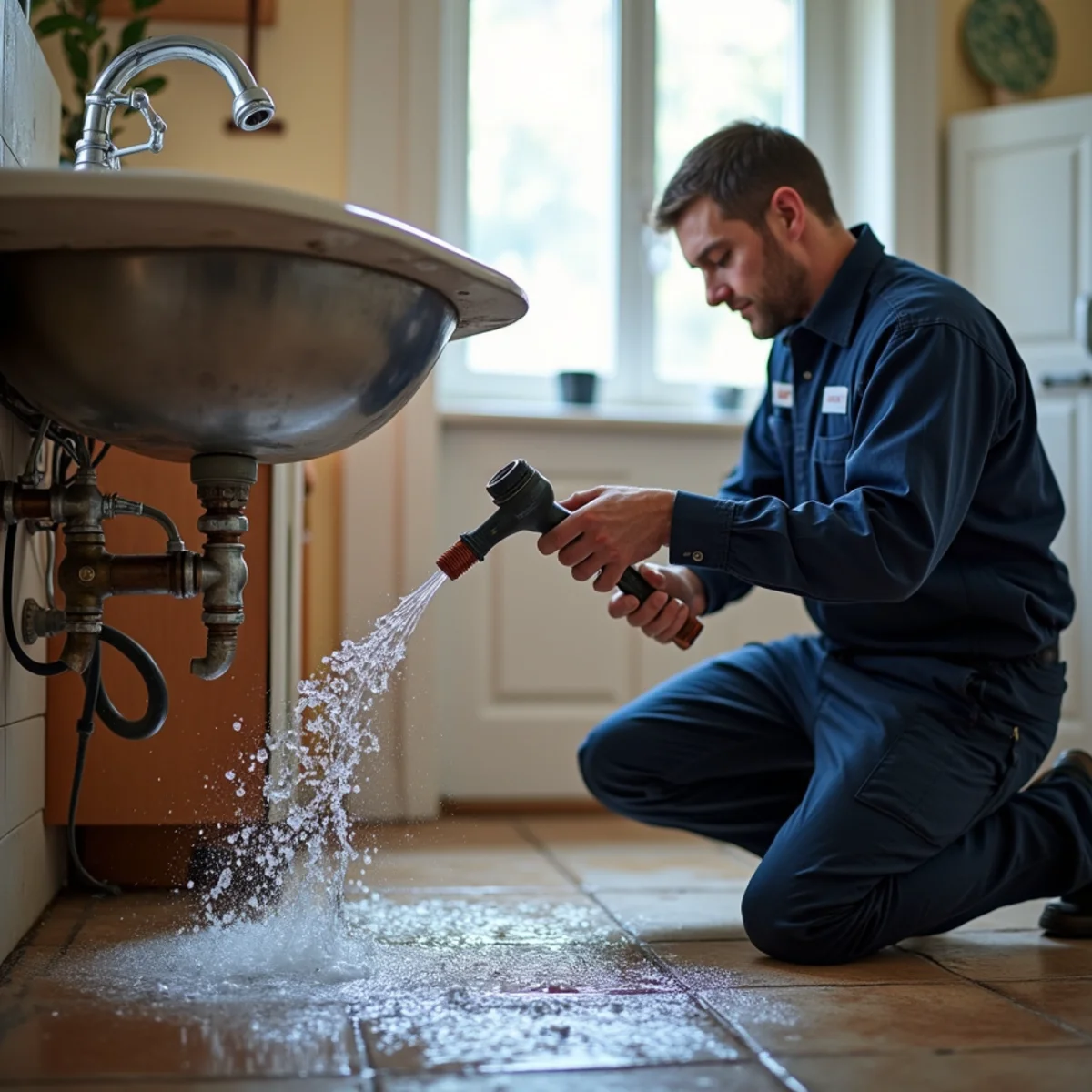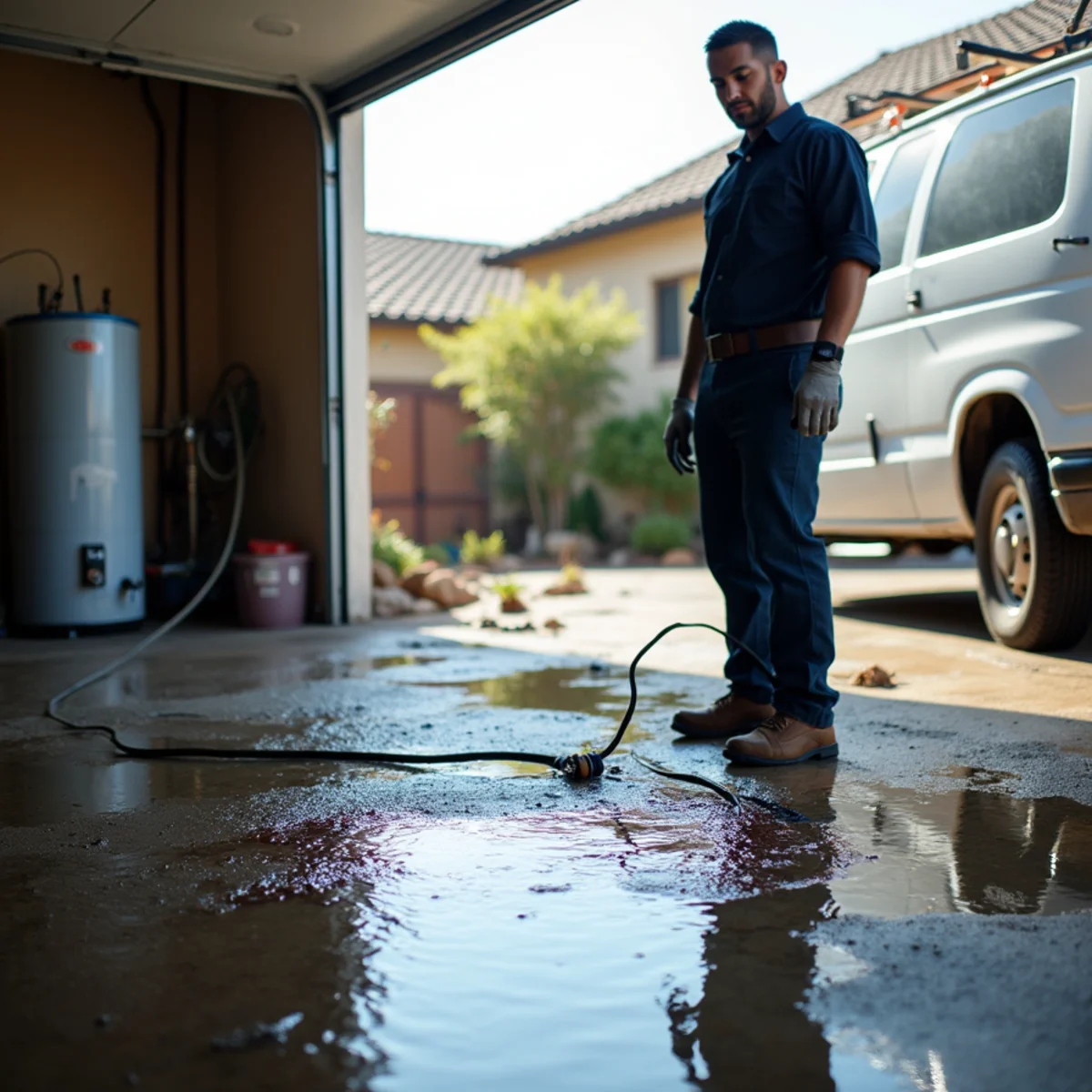
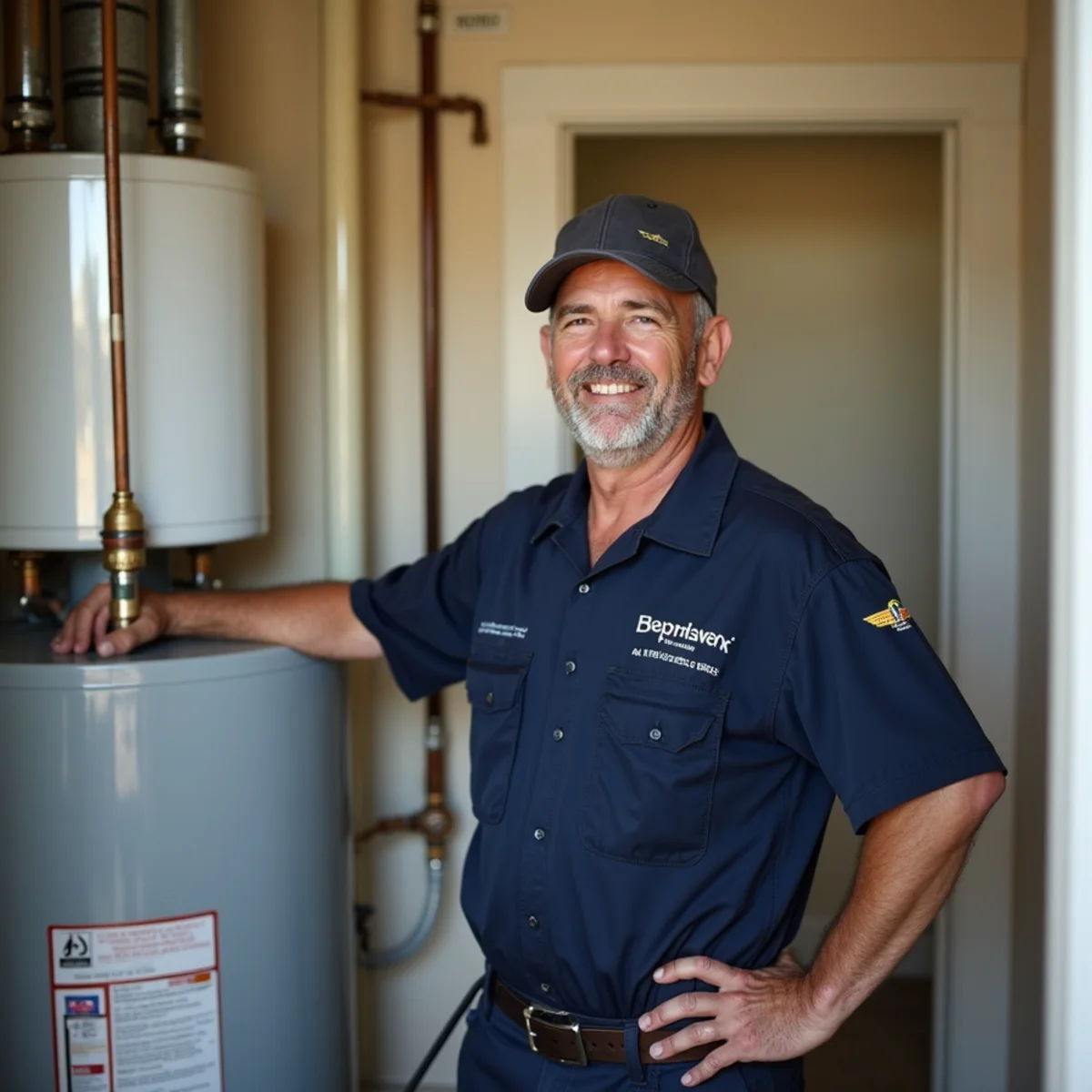
Rossmoor is one of the largest and best-established 55-and-over communities in the East Bay — more than 6,700 units spread across the hills of southern Walnut Creek. It is a wonderful place to live, and it has a quiet infrastructure quirk that most residents only notice when it hits them: because so many units were built and outfitted in the same eras, their water heaters, supply lines, and appliances tend to reach the end of life in clusters.
We call it 'the wave.' A run of storms or a hot stretch does not cause it, but a shared build date does. When hundreds of manors get similar equipment installed within a few years, that equipment also ages and fails within a few years of one another. This guide explains why age-cohort communities like Rossmoor see bunched-up water heater and appliance failures, and what residents and manors can do to stay ahead of the curve.
Why a planned community ages in sync
In a home built one at a time, systems fail on their own random schedule. In a large planned community, whole phases went up together, were plumbed by the same crews, and were fitted with the same water heaters, dishwashers, and washing machine connections from the same suppliers. That shared starting line is the whole story.
Equipment has a fairly predictable service life. Water heaters commonly last 8 to 12 years. Supply hoses and valves have their own windows. When the starting line is shared, so is the finish line — which is why a manor's neighbors often find themselves replacing the same items in the same couple of years, and why restoration calls from a community like Rossmoor can bunch up.
The water heater is usually first
Of all the equipment that ages together, water heaters are the most reliable to fail on schedule and the most damaging when they do. A tank corrodes from the inside on a clock, and once the bottom rusts through, it releases 40 or more gallons all at once. In a single-level manor, that water spreads across the floor and into shared walls fast.
Because Rossmoor units often share walls and, in stacked configurations, floors and ceilings, one heater failure is rarely one household's problem. Water travels into the neighbor's unit, into common walls, and down into the manor below. That is when a routine water heater leak cleanup also becomes a conversation about who is responsible for what.
Appliances and supply lines fail together too
Water heaters get the attention, but the smaller connections cause plenty of the calls. Washing machine supply hoses go brittle and burst. Dishwasher and refrigerator lines weep and then let go. Angle-stop valves under sinks seize or drip. Each of these has a service life, and in a cohort community they were often installed around the same time as everything else.
- Water heaters — plan on replacement around the 10-year mark, sooner if you see rust or hear the tank.
- Washing machine hoses — rubber hoses fail; braided stainless is the upgrade, and even those have a lifespan.
- Dishwasher and refrigerator supply lines — quiet leakers that damage cabinets and flooring before they are noticed.
- Angle-stop and shutoff valves — old valves seize; you find out when you need to close one during a leak.
What the wave means for manors and residents
For an individual resident, the takeaway is simple: know the age of your water heater and your supply lines, and replace on schedule rather than on failure. Proactive replacement of a cheap hose or an aging tank is far less costly than the water damage, the disruption, and the neighbor dispute that a failure brings.
For manors and the community, the wave is a planning opportunity. If a phase's water heaters are hitting 10 years, that is the moment for a coordinated replacement push before the cluster of failures arrives. In shared-wall housing, responsibility for damage between units and common areas can get complicated, which our overview of HOA and condo water damage responsibility in California helps untangle.
Fast response protects your neighbors, not just you
In detached housing, a leak is your problem. In Rossmoor, a leak is quickly your neighbor's problem too, which raises the value of a fast response. The sooner the water is shut off and extracted, the less of it crosses into the adjoining manor and the common structure, and the smaller everyone's claim and disruption.
We serve Rossmoor and the wider Walnut Creek area, extract quickly, dry the shared assemblies to standard, and document the loss clearly — which matters double when more than one policy and more than one owner are involved.
The one upgrade that matters most if you travel
If you take one action from this piece, make it this: install an automatic leak-detection shutoff valve on your unit's main. In a detached house, a leak that starts while you are away is your own mess to dry out. In a shared-wall Rossmoor manor, the same leak running for a week while you travel pours into the neighbor's unit and the manor below — and many residents here are gone for long winter stretches or extended trips. A smart shutoff senses the abnormal flow and closes the main on its own, turning a potential five-figure multi-unit loss into a non-event.
On the insurance side, do not lean on the community master policy to make you whole. Carry an HO-6 'walls-in' policy for your unit's interior and, just as important, loss-assessment coverage — the piece that picks up your share when a shared-system loss is charged back to owners. Confirm both before you need them, and keep the mutual's after-hours emergency number somewhere you can find it in the dark. When water is moving between units, minutes matter, and our crews serving Rossmoor and greater Walnut Creek can start extraction sooner when the source has already been shut off and reported.
Frequently asked questions
Related pages
Water Concord
IICRC-certified water damage restoration, based in Concord and serving all of Contra Costa County. We answer 24/7 — if you’re dealing with water damage right now, call (201) 277-9344.