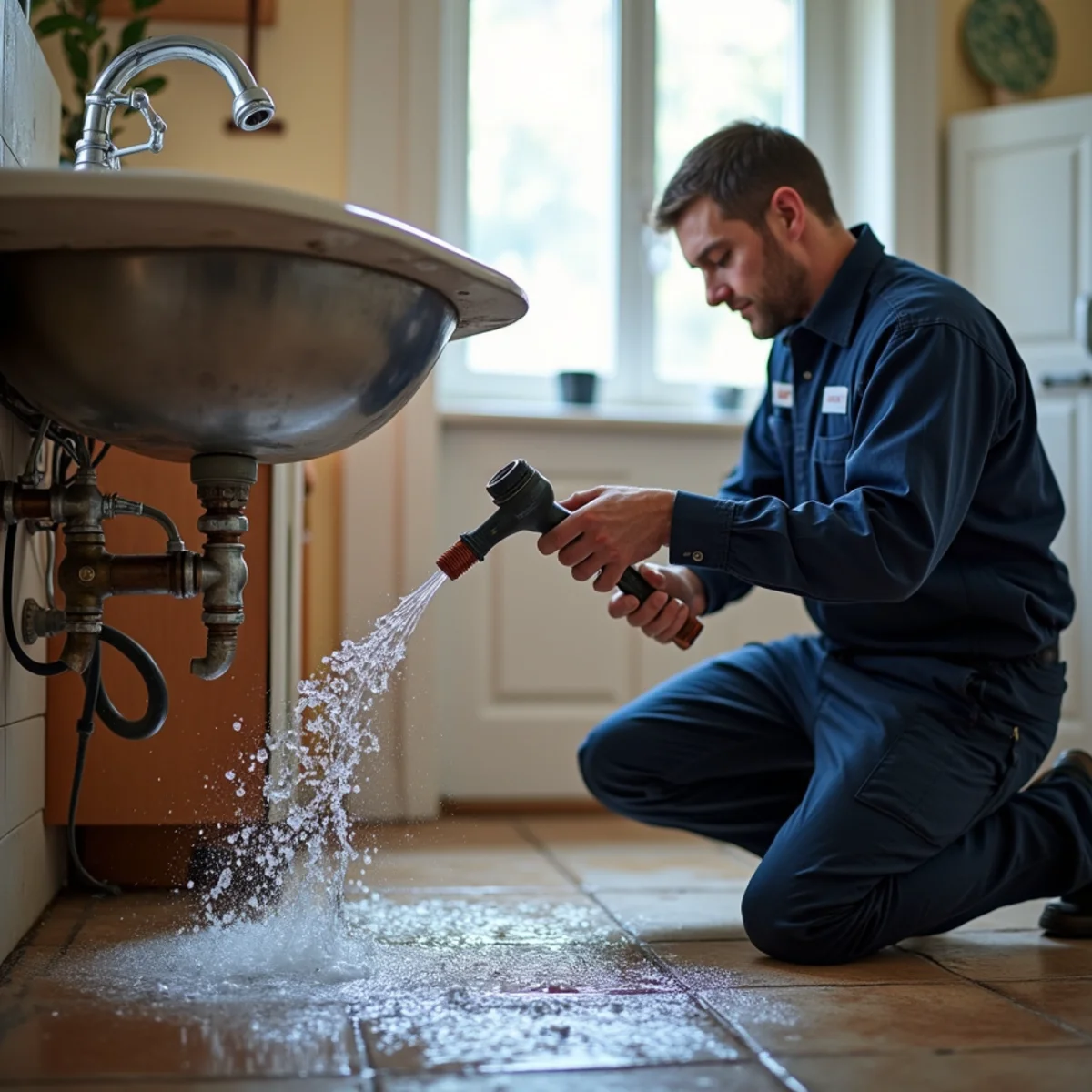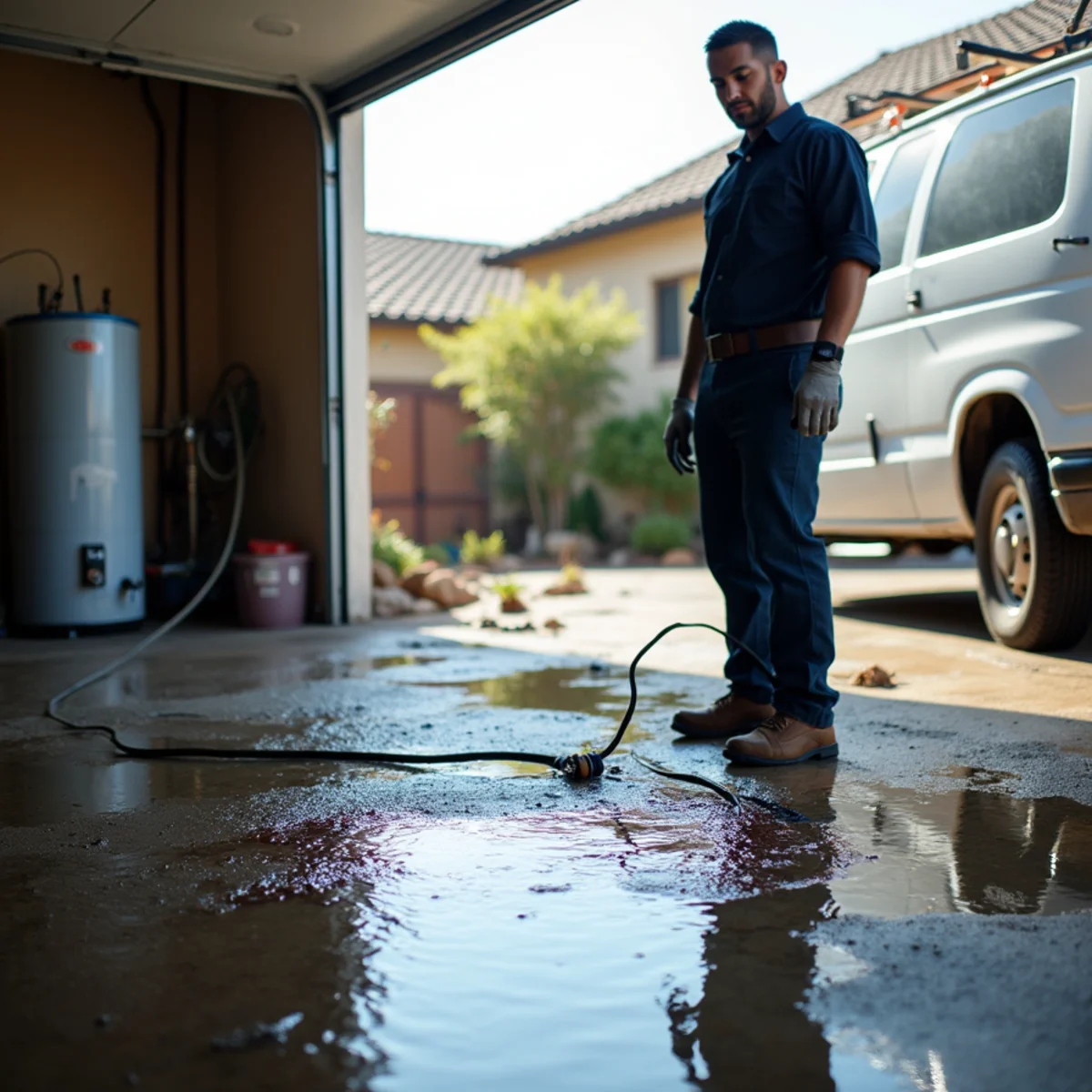
Few water losses get complicated faster than a condo. Water starts in one unit, runs into the one below, crosses through a shared wall, and suddenly three parties are arguing over a single repair: the upstairs owner, the downstairs owner, and the HOA. Everyone assumes someone else's insurance covers it, and while they argue, the drywall stays wet and the mold starts.
California has a framework for this, and most of the answer lives in your association's governing documents. This guide explains how condo and HOA water damage splits between the unit owner and the common area, where the master policy stops and yours begins, and why fast drying matters even more when responsibility is shared. It is general information, not legal advice.
The core line: unit vs. common area
Almost every condo dispute comes down to one boundary — where your unit ends and the common area begins. California's Davis-Stirling Act and your CC&Rs define it.
- The unit owner is typically responsible for everything inside the unit's boundaries — often the paint-inward or stud-inward space, depending on your documents.
- The HOA is typically responsible for the common areas and building structure — the roof, exterior walls, and shared plumbing within the walls.
- 'Exclusive-use common area,' like a private balcony or the pipe branch serving only your unit, can be a shared responsibility — check the CC&Rs.
- The exact boundary is set by your governing documents, not by assumption. Read them before you assign blame.
Two insurance policies, two jobs
Condos carry layered coverage, and knowing which policy does what prevents the classic finger-pointing.
The HOA's master policy covers the building and common areas; your individual HO-6 condo policy covers your interior, belongings, and often loss of use. When water crosses between them, both may pay for different parts of the same event. That structure-versus-contents split is the same principle behind every water damage restoration in Concord claim we document — it is just divided across two policies here.
Who pays when water crosses units
The most common condo scenario is a leak upstairs that damages the unit below. Responsibility turns on the source and on fault, not on whose ceiling got wet.
- If a common-area pipe failed, the HOA's master policy generally handles the structural repair.
- If the leak came from inside the upstairs unit — a supply line, an overflowed tub — that owner and their HO-6 policy are usually in the mix.
- Negligence shifts cost: an owner who ignored a known leak can be liable for the downstairs damage.
- Deductibles matter — some CC&Rs assign a large master-policy deductible back to the responsible owner.
The 55-plus factor and older condo stock
Some of the East Bay's biggest condo and HOA communities carry age-related risk that makes these events more frequent. Large 55-plus developments like Rossmoor in Walnut Creek, with more than 6,700 units, see waves of water-heater and supply-line failures as original equipment reaches the end of its life at about the same time across the community.
When many units were built together, they age together. A cluster of aging water heaters or a run of original galvanized pipe means one failure is rarely the last. Associations that plan for it — and owners who replace aging equipment early — see far fewer of these losses.
Why fast drying matters more in a condo
Shared walls and floors mean water and mold do not respect unit boundaries. A wet party wall is two owners' problem, and mold that starts in the cavity between units becomes an association-wide headache within days.
This is why the drying cannot wait for the insurance question to be settled. Mitigation comes first; cost allocation follows. A crew that extracts, contains, and dries to the IICRC S500 standard stops the loss from spreading to more units, then documents it cleanly so each policy pays its share. Sorting out coverage while the structure sits wet only grows the mold.
Coordinating a shared-responsibility loss
We work with HOAs, boards, and individual owners across the East Bay's condo communities. In a multi-party loss, one thing protects everyone: a fast, documented response that dries all affected units and records where the water went and what it touched.
If water is crossing between units, do not wait for the board and the insurers to agree on who pays. Call (201) 277-9344, and we will dry the structure now and give every party the documentation their policy needs.
The HO-6 endorsement most owners are missing
There is one endorsement on your individual HO-6 that quietly solves the deductible problem, and most owners do not carry enough of it. Loss-assessment coverage pays your share when the association levies a special assessment or charges the master-policy deductible back to owners, and those deductibles have climbed into the five figures at many East Bay associations. A few hundred dollars a year of loss-assessment coverage can stand between you and a surprise bill after a neighbor's pipe fails. Read your CC&Rs for the deductible figure, then buy enough to match it.
The other thing worth knowing is that you do not have to wait for permission to stop the damage. When water is actively spreading between units, any affected owner can authorize emergency drying to protect their property and sort reimbursement afterward; mitigation comes first, allocation second, exactly as the policies expect. Delaying while the board and three insurers debate fault is how a two-unit leak becomes a building-wide mold claim. Our commercial water damage restoration crews handle multi-unit losses this way: dry every affected space now, document where the water traveled, and give each party the record its policy needs.
Frequently asked questions
Water Concord
IICRC-certified water damage restoration, based in Concord and serving all of Contra Costa County. We answer 24/7 — if you’re dealing with water damage right now, call (201) 277-9344.