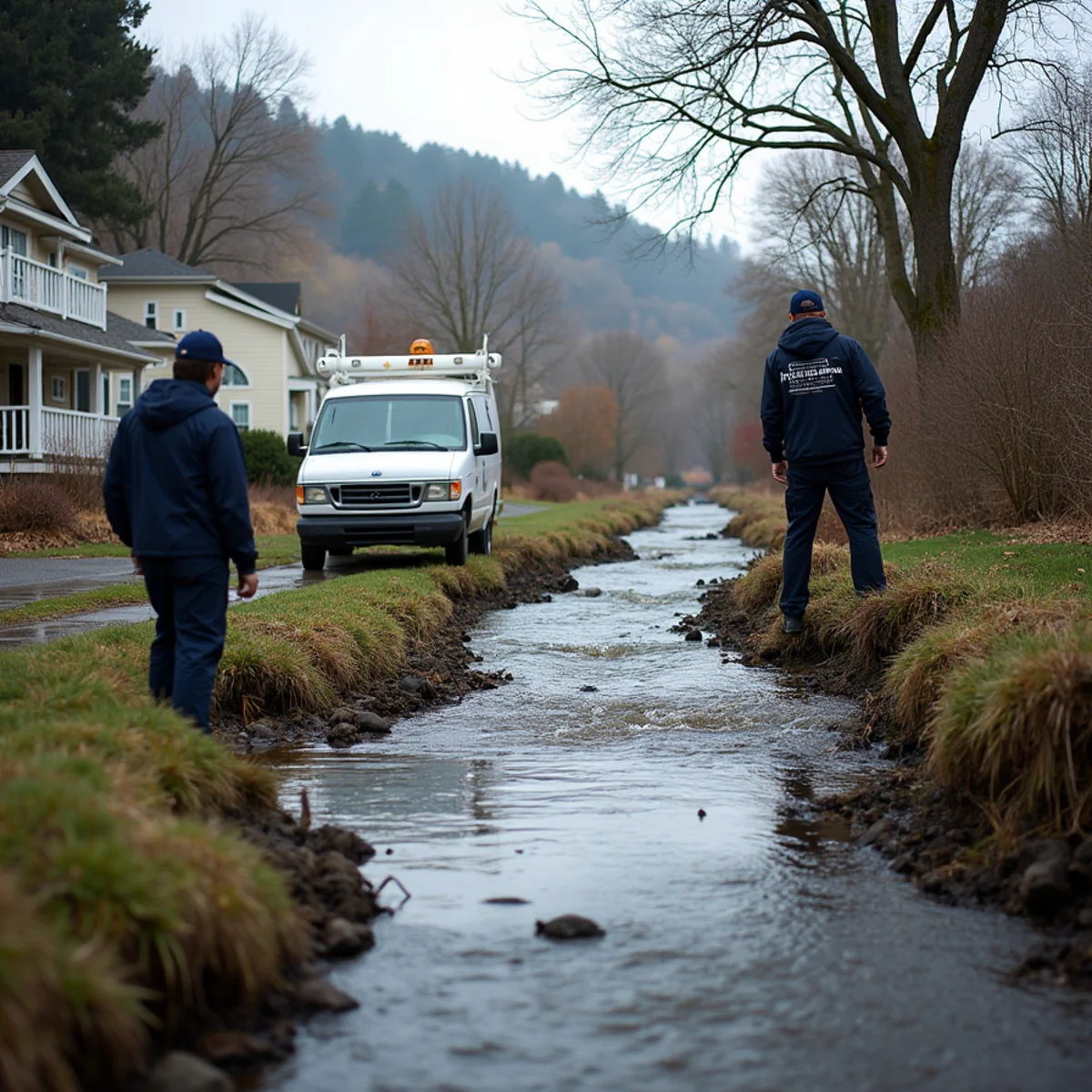
Every drop of rain that lands on the north face of Mount Diablo has to go somewhere. A lot of it ends up in Mt Diablo Creek, which gathers runoff from the mountain and the surrounding hills and carries it down through Concord toward Suisun Bay. On a dry October afternoon, the creek is easy to ignore. During a December atmospheric river, it is the reason some neighborhoods stay dry and others do not.
Understanding the watershed you live in is one of the most useful things a Concord homeowner can do before the rainy season. This guide explains how the Mt Diablo Creek system moves storm water, why places like Ygnacio Valley sit where the water wants to go, and the practical steps that keep runoff from ending up inside your home.
What a watershed actually is
A watershed is just the area of land that drains to a common point. Rain that falls anywhere in the Mt Diablo Creek watershed — on the mountain, on the foothills, on your roof and driveway — flows downhill along the same general path toward the creek and, eventually, the bay. Ridgelines divide one watershed from the next, deciding which way your particular slope sheds water.
This matters because water is relentless about following the grade. It does not care about property lines or landscaping. Knowing which way your lot drains, and where the water goes after it leaves your yard, tells you a lot about your storm risk.
How Mt Diablo Creek fills during a storm
In summer, the creek runs low or dry. In winter, it can transform in hours. Mount Diablo's slopes shed rain quickly, especially where soil is already saturated from an earlier storm, and that runoff funnels into the creek all at once. The creek rises, speeds up, and pushes toward the flats of central Concord and on to Suisun Bay.
Contra Costa County Flood Control manages the engineered channels that carry this water through developed areas. Those channels have capacity limits. When a storm drops more rain than the system can move — or when debris chokes a culvert — water backs up and spreads into the surrounding low ground. That is the moment neighborhood drainage stops being abstract.
Why Ygnacio Valley and the flats see the runoff
Geography sets the stage. Ygnacio Valley and the lower-lying parts of Concord sit where the land flattens and the water slows down. Slow water drops its sediment and, when the channels are full, has nowhere to go but out. Homes near creek corridors, at the bottom of slopes, or in the historic low spots are the first to feel a big storm.
None of this means these neighborhoods flood every year — most winters, the system handles the load. It means the margin is thinner there, and the back-to-back storms of a strong atmospheric river season are the ones that find the limits.
Storm runoff versus a plumbing leak
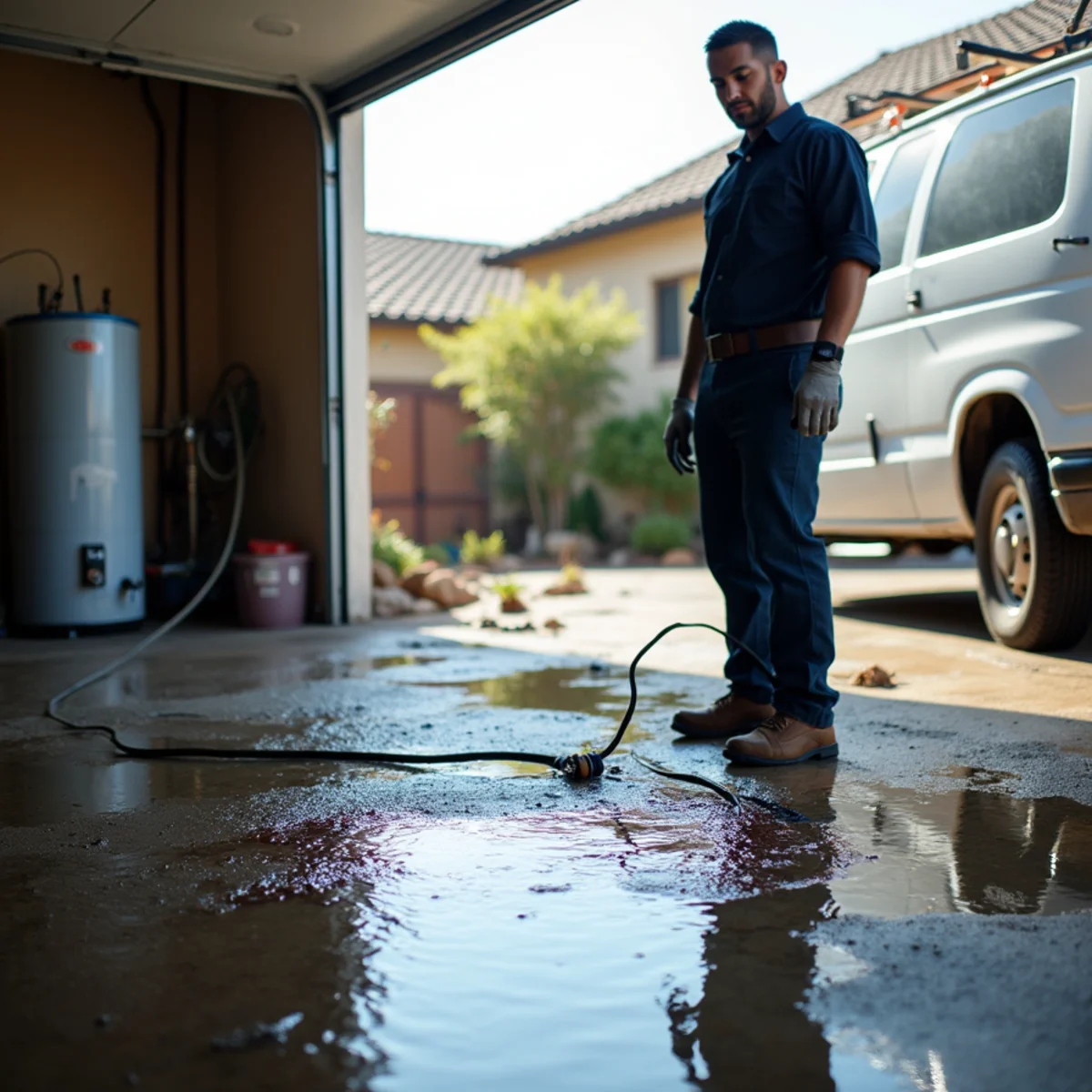
Runoff damage behaves differently from a burst pipe, and it matters for cleanup. Storm water that reaches your home has traveled across ground, streets, and yards, picking up mud, fertilizer, oil, and whatever else was in its path. It is treated as contaminated, which changes how materials are cleaned, dried, or discarded. Clean water from a supply line is a different category entirely.
That distinction drives the whole response. Our storm damage cleanup approach starts by treating creek and runoff water as unsafe until we confirm otherwise, then extracting, cleaning, and drying with that in mind.
Getting your property ready before the creek rises
You cannot control the creek, but you can control how your own lot handles a downpour:
- Clear gutters and downspouts before the first big storm and again mid-season — a clogged downspout dumps roof water against the foundation.
- Extend downspout discharge several feet from the house so it drains to the street or a swale, not the base of the wall.
- Check and clear yard drains and any culverts near your property so debris does not choke them mid-storm.
- Grade soil to slope away from the foundation, and watch for pooling that points water back toward the house.
- Keep sandbags on hand if you are near a creek corridor or a known low spot.
If runoff gets inside
When storm water does breach the house, speed is everything. Standing water wicks into drywall and subfloor within hours, and mold can start inside 24 to 48 hours. Shut down power to affected areas if it is safe, move what you can to dry ground, and get professional extraction started. For a fuller pre-season plan, our winter storm prep checklist covers the whole property.
Local levers: alerts, free sandbags, and clogged culverts
Two things decide a storm night — warning and drainage capacity — and both have local levers you can pull now. For warning, enroll in the county's Community Warning System, which pushes evacuation and flood alerts to your phone, and pair it with a weather app that flags atmospheric rivers a few days out. That lead time is what lets you move cars, clear the low-side drains, and stage sandbags before the creek is rising rather than during it.
On sandbags, you do not have to buy and store them all season. Contra Costa County and local fire districts set out free self-fill sand and empty bags at staging sites ahead of major storms — worth locating your nearest one before you need it. And know the maintenance line: the engineered channel and any public culvert belong to Flood Control, so a debris-choked public culvert near your street is a call to the county, not a job to wade into yourself; your own yard drains and the private culvert under your driveway are yours. If runoff does reach the house, treat it as contaminated and move fast — our storm damage cleanup crews handle creek water on that assumption from the first minute.
Frequently asked questions
Related pages
Water Concord
IICRC-certified water damage restoration, based in Concord and serving all of Contra Costa County. We answer 24/7 — if you’re dealing with water damage right now, call (201) 277-9344.