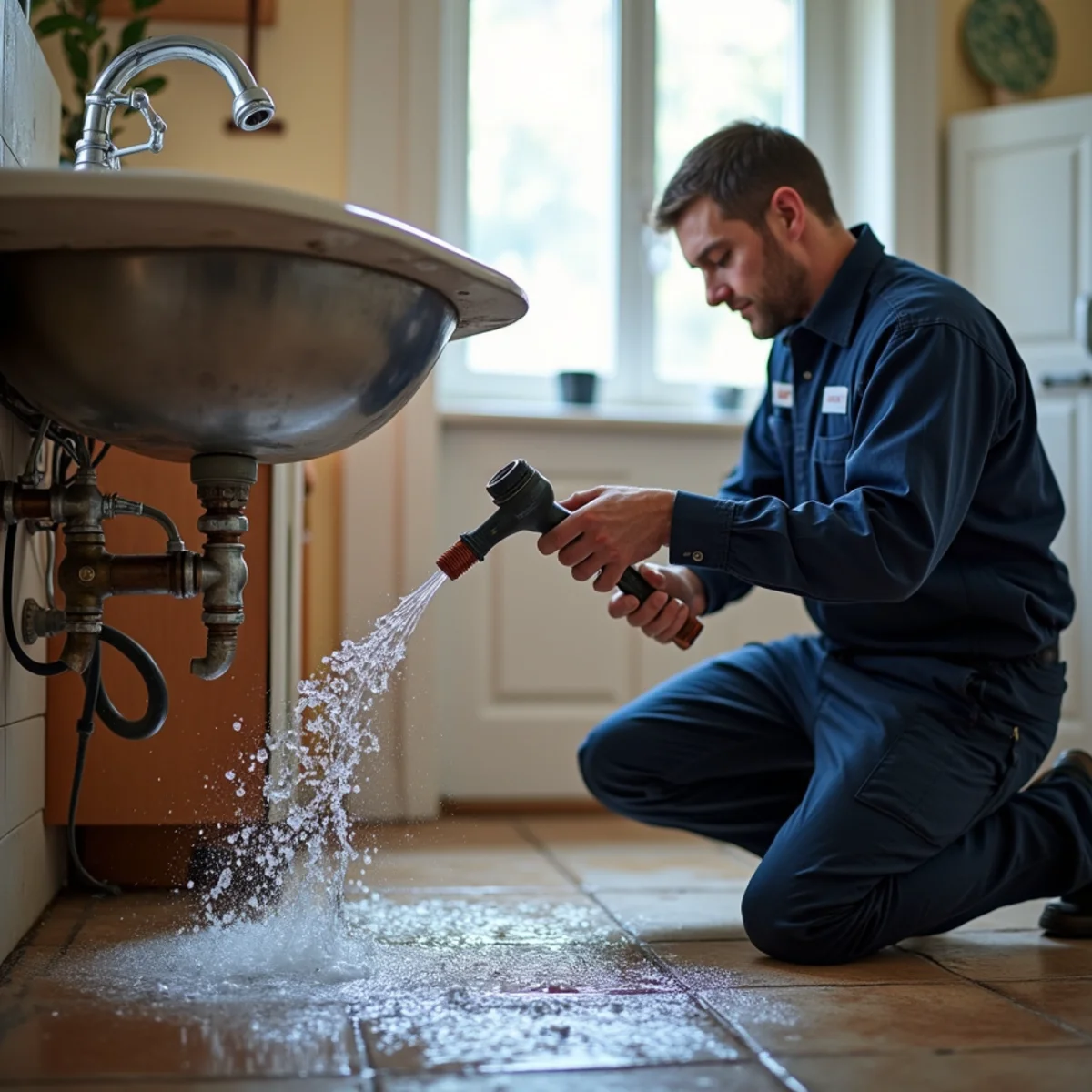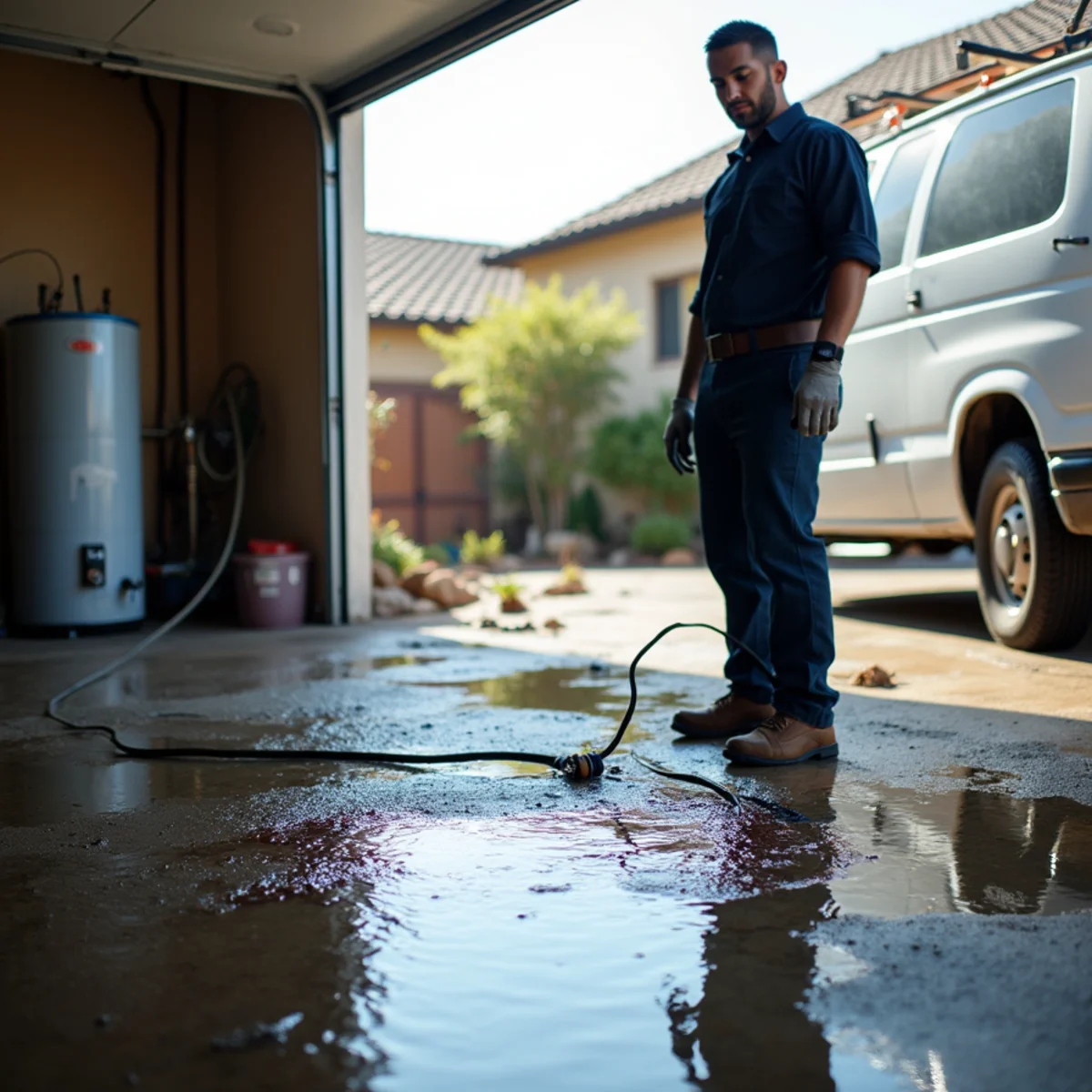

When a pipe lets go or a water heater fails, the damage is only half the worry. The other half is the question every Concord homeowner asks next: will insurance actually pay for this? In California the answer is usually yes — but with real limits that surprise people at the worst possible time.
Homeowners policies are built around one core idea. They cover sudden and accidental damage, not slow decay or problems you could have prevented. Once you understand that line, most coverage questions answer themselves. This guide breaks down what's typically in, what's typically out, and where a separate policy is the only thing that will help.
The rule that decides almost every claim
Nearly every water-damage coverage decision in California comes down to one distinction: was the damage sudden and accidental, or gradual and preventable? A supply line that bursts at 2 a.m. is sudden. A drip under the sink that stained the cabinet over two years is gradual. Insurers pay for the first and deny the second.
This is why the same phrase — water damage — can be fully covered on one claim and flatly denied on the next. The water isn't what your carrier is judging. The cause and the timeline are.
What homeowners insurance usually covers
Standard California homeowners policies typically cover sudden, internal water damage. The common covered causes:
- Burst or frozen pipes. A pipe that suddenly ruptures is the textbook covered loss.
- Appliance and fixture failures. A washing-machine hose that lets go, a dishwasher that overflows, or a failed water-heater tank.
- Sudden roof leaks from a covered peril. If a windstorm tears off shingles and rain gets in, the resulting interior damage is often covered.
- Accidental overflow. An overflowing tub or a supply line that fails without warning.
- Resulting damage. Even when the broken part itself isn't covered, the water damage it causes to floors, walls, and belongings frequently is.
What's typically excluded
The exclusions are where homeowners get caught off guard. Commonly denied causes include:
- Gradual leaks. Slow seepage that went unaddressed is treated as a maintenance issue, not an accident.
- Neglect and deferred maintenance. A corroded pipe you knew about, or a roof past its life, shifts the responsibility back to you.
- Mold from a long-term leak. Many policies cap or exclude mold when it stems from a leak you should have caught.
- Flood — rising surface water. Storm runoff, creek overflow, and rising groundwater are excluded from every standard homeowners policy.
- Sewer or drain backups — unless you've added a specific backup endorsement.
Flood is a separate policy — always
This one surprises people every winter. If water rises from the ground up — an overflowing creek, storm runoff pooling against the foundation, a saturated hillside — that is flood, and no standard homeowners policy in California covers it. Flood coverage comes only through a separate policy, usually the federal National Flood Insurance Program (NFIP) or a private flood insurer.
In Concord, where roughly one in five properties carries some flood risk over a 30-year window, that gap matters. If you're near Mt. Diablo Creek or the Walnut Creek channel, it's worth a call to your agent before the next atmospheric river arrives.
How this plays out in Concord and the East Bay
Concord's housing stock makes the sudden-versus-gradual line especially important. More than half of local homes were built before 1979, and many still run original galvanized or early copper plumbing. When a 60-year-old pipe finally fails, the burst itself is usually covered — but if an adjuster finds the line was visibly corroding and leaking for months, the claim gets harder.
We see the same pattern from Walnut Creek to Martinez: the homeowners who get paid are the ones who acted fast and documented well. The moment you catch water, photograph it, stop the source if you safely can, and call for professional water damage restoration in Concord. Quick action doesn't just limit the damage — it supports the argument that the loss was sudden.
Document first, then call
Whatever the cause, your claim is only as strong as your evidence. Before anything gets cleaned up, take wide and close photos, save the failed part, and keep receipts for every emergency expense. Our crews help you document the loss for your insurer and bill covered work directly to your carrier.
One honest caveat: coverage always depends on your specific policy, endorsements, and carrier. Nothing here is a guarantee of payment. Read your declarations page, and when in doubt, ask your agent to walk you through your water and flood coverage before you ever need it.
When filing a claim isn't always the right move
Here's something adjusters won't volunteer: not every covered loss is worth filing. Weigh the repair cost against your deductible first. If a minor overflow will cost only a little more than your deductible to fix, the actual payout may be small — and in California's tightened insurance market, the claim itself can cost you more than it pays.
Every water claim you file is recorded in an industry loss-history database — your CLUE report — that carriers check at renewal. Two water claims in a few years can push you toward a premium increase or even non-renewal, a real risk as insurers pull back from parts of California. So for a small, self-contained loss, paying out of pocket sometimes protects you better than collecting.
Save claims for losses that clearly exceed your deductible by a meaningful margin — a burst supply line that soaks flooring and drywall, not a slow drip you caught early. Either way, stop and extract the water immediately; fast emergency water removal limits the damage whether or not you decide to file.
One caution: deductibles, non-renewal rules, and how claims are weighted all vary by carrier and policy. Before filing a borderline claim, ask your agent how it would affect your renewal — that conversation is free; a surprise non-renewal isn't.
Frequently asked questions
Related pages
Water Concord
IICRC-certified water damage restoration, based in Concord and serving all of Contra Costa County. We answer 24/7 — if you’re dealing with water damage right now, call (201) 277-9344.