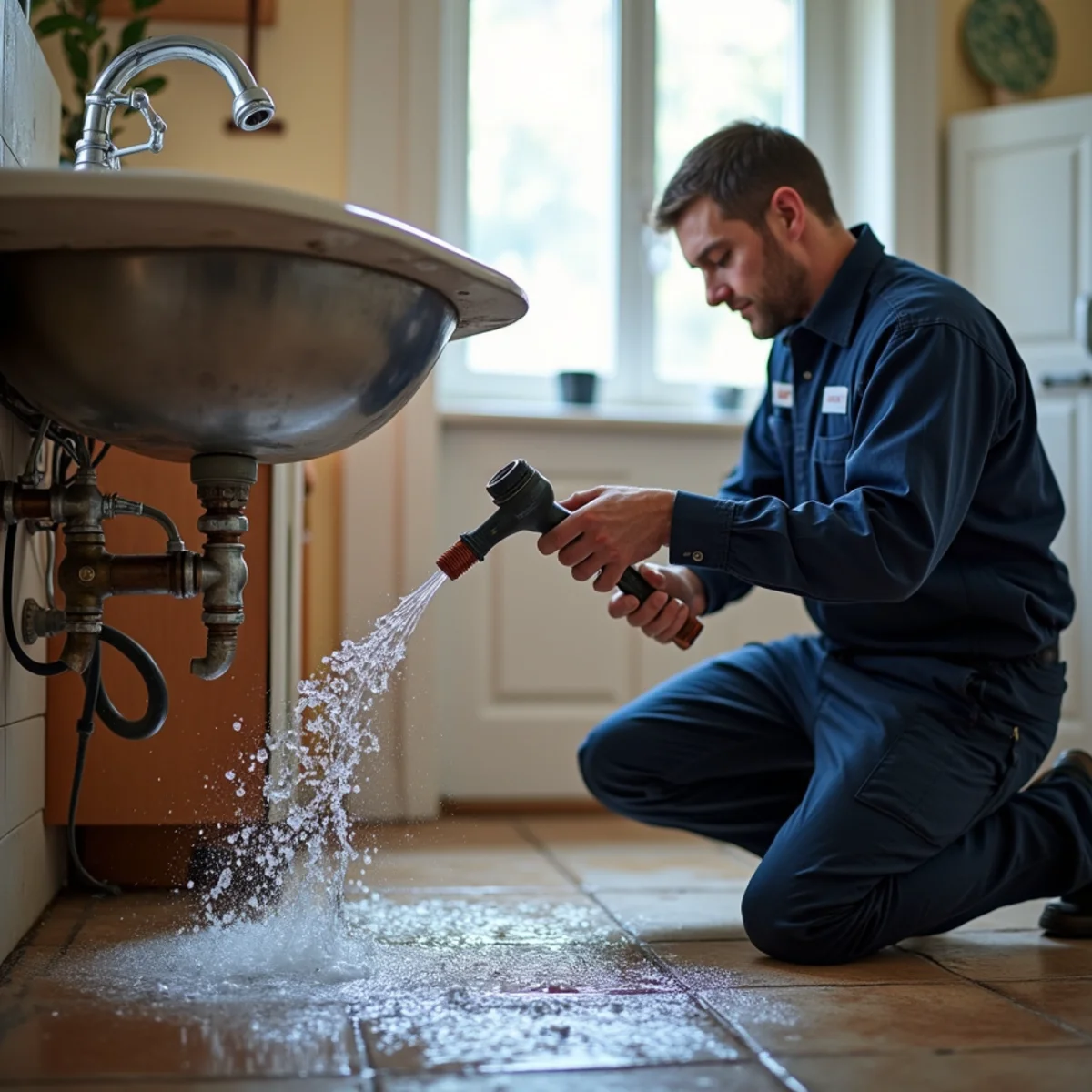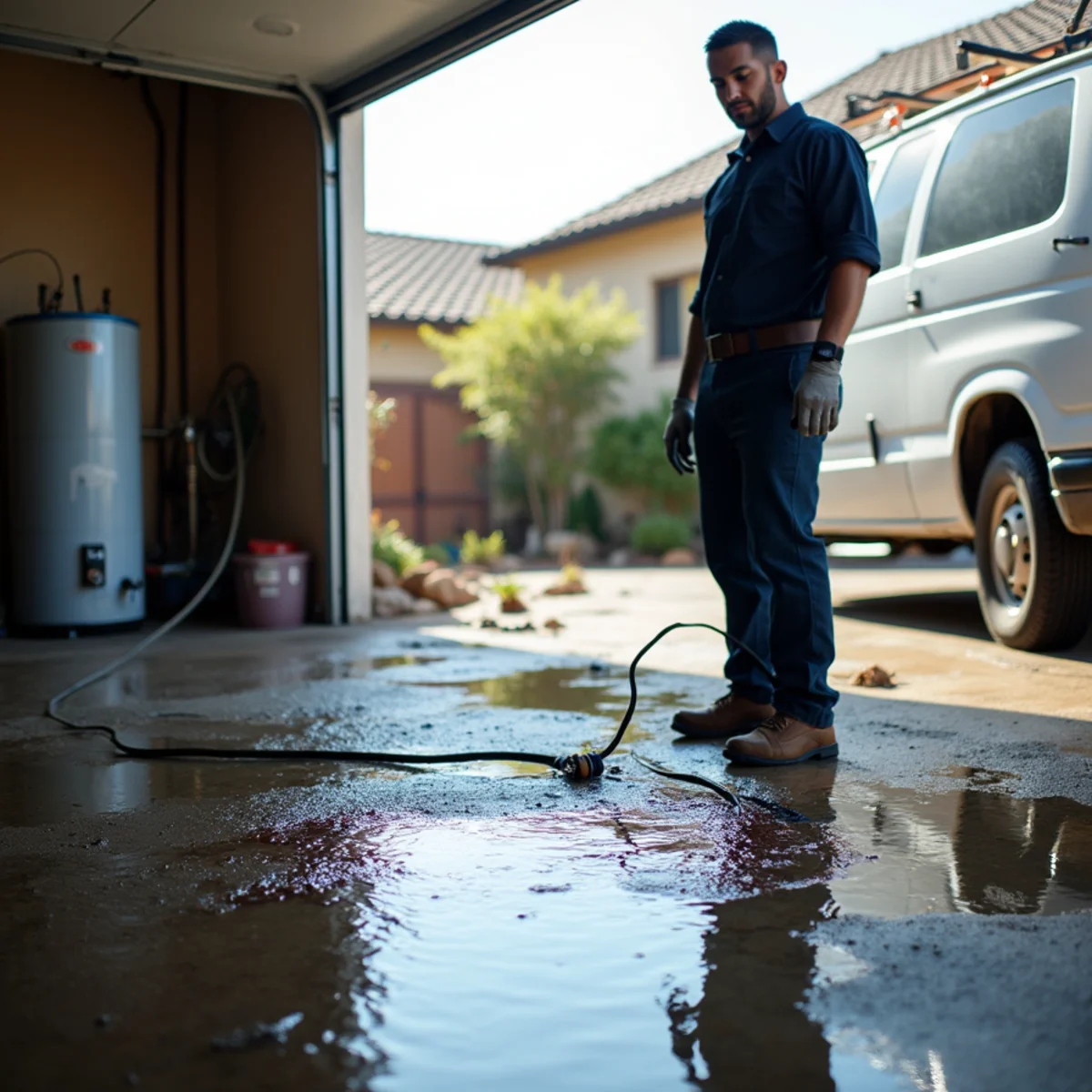

The first question almost every Concord homeowner asks when they call us is a fair one: what is this going to cost? The honest answer is that no reputable company can quote a firm price over the phone — but you deserve to understand what actually drives the number so you can spot a fair estimate from a padded one.
This guide walks through the real cost factors behind water damage restoration, how they stack up, and where your homeowners insurance typically steps in. No scare tactics, no fake price tags — just how the math works.
Why there is no flat rate for water damage
Water damage pricing is built from the job in front of it, not a menu. Two homes on the same Concord street can have wildly different bills: one caught a supply-line leak in ten minutes; the other let a slow leak run behind a wall for a month. The water looks similar. The scope is not.
Restoration is priced on the size of the affected area, the category of water, how long it sat, the materials involved, and whether mold has taken hold. Understanding those five levers tells you almost everything about where an estimate lands.
The five factors that move the price
Here is what a technician is actually assessing when they walk your home:
- Affected area and water volume. A single wet bathroom dries faster and cheaper than water that spread across an open floor plan into multiple rooms.
- Water category. Clean supply-line water (Category 1) is the least costly. Gray water from an appliance (Category 2) and contaminated Category 3 water — sewage or floodwater — require more protective handling and disposal.
- Time before extraction. Every hour water sits, it wicks deeper and the drying scope grows. Fast calls cost less.
- Materials involved. Carpet and pad, hardwood, tile, drywall, and cabinetry each dry — or need removal — differently.
- Mold. If mold has already started, containment and mold remediation add to the job. Catching water early is the cheapest mold prevention there is.
Where the money actually goes
A restoration bill is mostly labor and equipment time, not markup. Truck-mounted extraction, a set of commercial air movers and dehumidifiers running around the clock for several days, daily moisture monitoring, and safe disposal of unsalvageable materials all carry real cost. Reconstruction — replacing drywall, flooring, and paint — is usually a separate phase priced after the structure is verified dry.
This is also why the cheapest quote is not always the cheapest job. A crew that under-dries to save a day leaves moisture in the walls, and you pay again in six months when mold appears.
How insurance changes the number you pay
For most Concord homeowners, the figure that matters is the deductible — not the total. Sudden, accidental water damage from a burst pipe or failed appliance is typically covered by California homeowners policies, which means insurance carries most of the mitigation cost and you cover your deductible.
Gradual leaks and long-deferred maintenance are commonly excluded, and standalone flood (rising surface water) is a separate policy most homeowners do not carry. We help you document the loss correctly and bill your carrier directly, so covered work does not come out of your pocket.
Getting an honest estimate in Concord
The only accurate estimate is one written after an on-site inspection with moisture readings. When you call us, a local crew serving all of Contra Costa County inspects the loss, maps the moisture, and gives you a written scope before work begins — so you know what is included and why.
Pro insight: the cost mistake homeowners make
After years of Concord jobs, the single most expensive decision I watch homeowners make is waiting a day to 'see if it dries on its own.' It rarely does, and the delay does not add one day to the bill — it multiplies the scope. Overnight, water wicks up the drywall and along the bottom plate of the framing, turning a contained Class 1 loss into a Class 2 that needs more air movers and more days of structural drying and dehumidification. You are billed for equipment time, so every foot the moisture travels while you wait becomes several billable days later.
The second mistake is judging bids by the bottom-line number instead of the scope behind it. A fair written scope itemizes the work so two estimates are genuinely comparable — not just two prices you are guessing between. Before you sign, make sure yours spells out:
- Affected materials by room, and which are dried in place versus removed.
- Equipment count and expected days — how many air movers and dehumidifiers, running how long.
- A dry standard: the moisture reading the structure must hit before equipment comes out, logged daily.
- Reconstruction listed separately, so mitigation and rebuild are never blurred into one vague figure.
Frequently asked questions
Water Concord
IICRC-certified water damage restoration, based in Concord and serving all of Contra Costa County. We answer 24/7 — if you’re dealing with water damage right now, call (201) 277-9344.