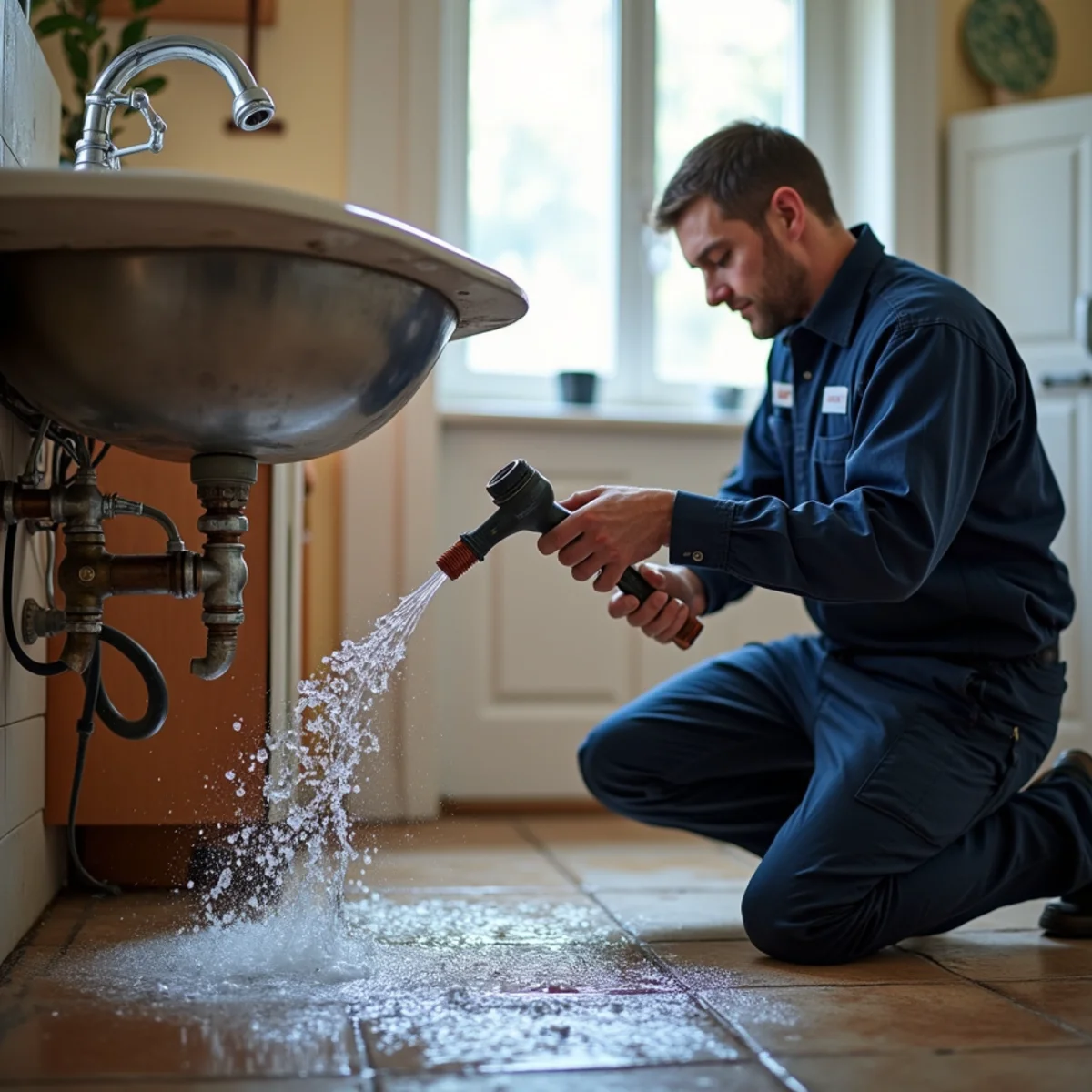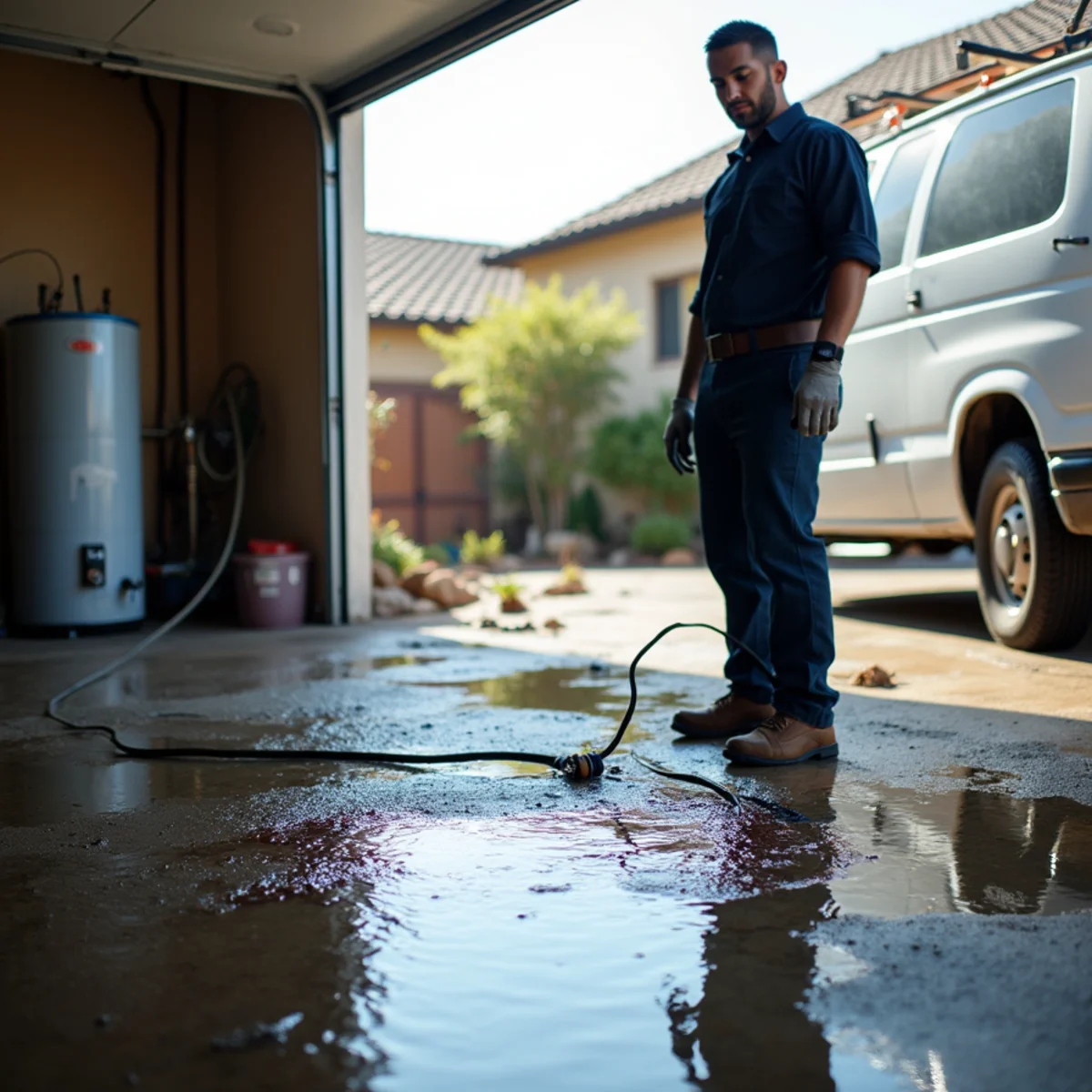
A leak ran down inside your wall and now a patch of drywall is soft, stained, or bubbling. The question everyone asks first is the same: does this whole wall have to come out, or can it dry and get patched? The answer depends less on how the surface looks and more on what kind of water hit it and how long it stayed.
Drywall is gypsum pressed between two sheets of paper. It is cheap to replace but often easy to save when you catch it early and dry it correctly. The costly mistake is guessing. Cut out drywall that could have been dried and you have made needless work; leave up drywall that is hiding wet insulation and you have sealed a mold problem inside the wall. Here is how a restoration crew makes the call — and how it tends to play out in older Holbrook Heights, Concord homes.
The questions that decide drywall's fate
Before anyone reaches for a saw, a technician is answering a short list of questions. The answers, not the appearance of the stain, determine whether the wall stays or goes.
- What category was the water? Clean supply-line water is very different from gray appliance water or sewage.
- How long did it stay wet? A wall dried within a day or two behaves nothing like one wet for a week.
- How high did it wick? Gypsum draws water upward; the wet line is usually higher than the visible stain.
- Is there insulation behind it? Wet fiberglass or cellulose holds water against the drywall and rarely dries in place.
When wet drywall can usually be saved
If clean water hit the wall, you caught it fast, and there is no saturated insulation trapped behind it, drywall can very often be dried in place. Crews create airflow across the surface, pull humidity out of the room with a dehumidifier, and sometimes drill small weep holes low on the wall to vent the cavity and let moisture escape. Because gypsum releases water fairly well once the source is stopped, a wall like this can dry over a few days and take paint again with no structural loss.
The prerequisite is honest water extraction and drying, verified with a meter. Drywall that reads dry on the surface but wet in the core is not saved — it is just hiding.
When it has to come out
Some walls are past saving, and forcing them to dry only delays the inevitable while mold gets a head start. Drywall comes out when:
- The water was Category 2 or 3 — gray or contaminated — because the paper facing wicks and holds those contaminants.
- It stayed wet long enough to swell, sag, or crumble, which means the gypsum core has lost its integrity.
- There is wet insulation behind it, which will keep re-wetting the wall no matter how long the fans run.
- There is visible mold on the back of the board once a section is opened up.
The flood cut, and why it's usually the right move
When drywall has to go, crews rarely rip out a whole wall. Instead they make a clean horizontal cut a set distance above the water line — commonly a foot or two, sometimes to the four-foot seam — and remove only the compromised section. This is called a flood cut. It lets the wall cavity, framing, and any remaining insulation dry fully, and it keeps reconstruction to a tidy patch rather than a full sheet.
The flood cut also gives the crew a look inside. If the water was clean and the framing is sound, the cavity dries and gets closed back up. If mold has already started, it can be treated properly before new board goes on. Catching that early is the cheapest form of mold remediation there is.
Older Holbrook Heights walls and what's behind them
Many Holbrook Heights, Concord homes date to the mid-century tract era, and their walls hold a few surprises. Some rooms have original plaster over lath rather than modern drywall, which dries and behaves differently. Others were built with older insulation that mats down and holds water once soaked. And leaks in these homes often trace back to aging galvanized supply lines corroding inside the wall — a slow drip that keeps the cavity wet for weeks before the drywall finally shows it.
That history is exactly why we open walls carefully and read moisture before deciding. In an older home, what is behind the drywall matters more than the stain on the front of it.
Pro insight: mark the true wet line before you set the flood cut
The costliest drywall mistake we see is not cutting too much — it is cutting the flood cut at the visible stain and leaving wet gypsum above it. Gypsum wicks water upward through its core, and that wet line almost always sits higher than the discoloration you can see. Cut to the stain and you seal damp board right back inside the wall.
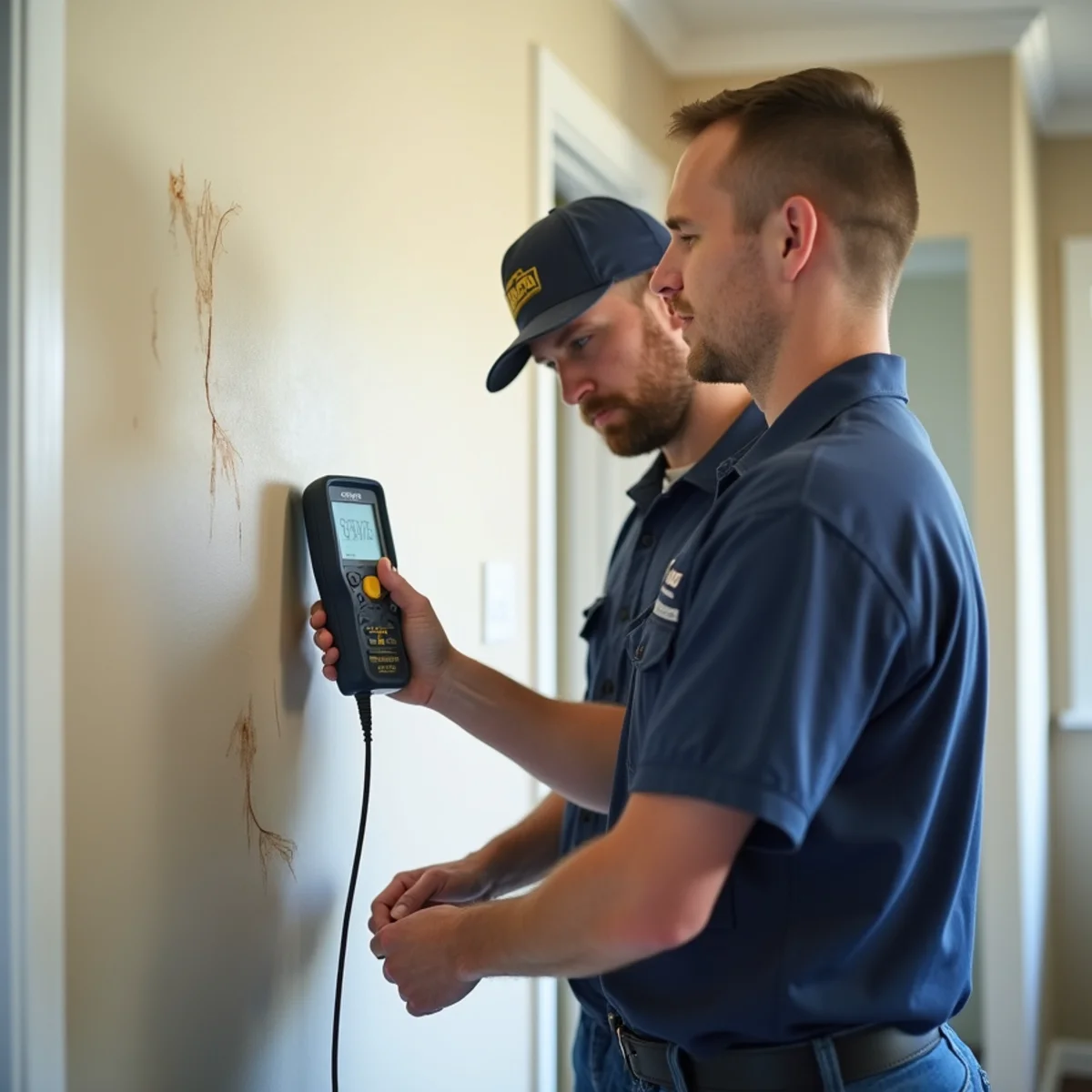
Before any saw comes out, we scan the wall with a non-invasive meter, moving the sensor slowly up from the baseboard until the readings drop back to the dry baseline elsewhere in the room. That transition point — not the stain — is the true top of the water. We mark it, then set the horizontal cut a comfortable margin above it, usually landing on the next framing seam so the patch stays clean.
The other habit that saves walls is checking behind the board before deciding, because wet insulation reads dry on the paper face while staying soaked in the cavity. Confirming both the height and what is behind it is what lets structural drying actually finish the job the first time.
Frequently asked questions
Related pages
Water Concord
IICRC-certified water damage restoration, based in Concord and serving all of Contra Costa County. We answer 24/7 — if you’re dealing with water damage right now, call (201) 277-9344.