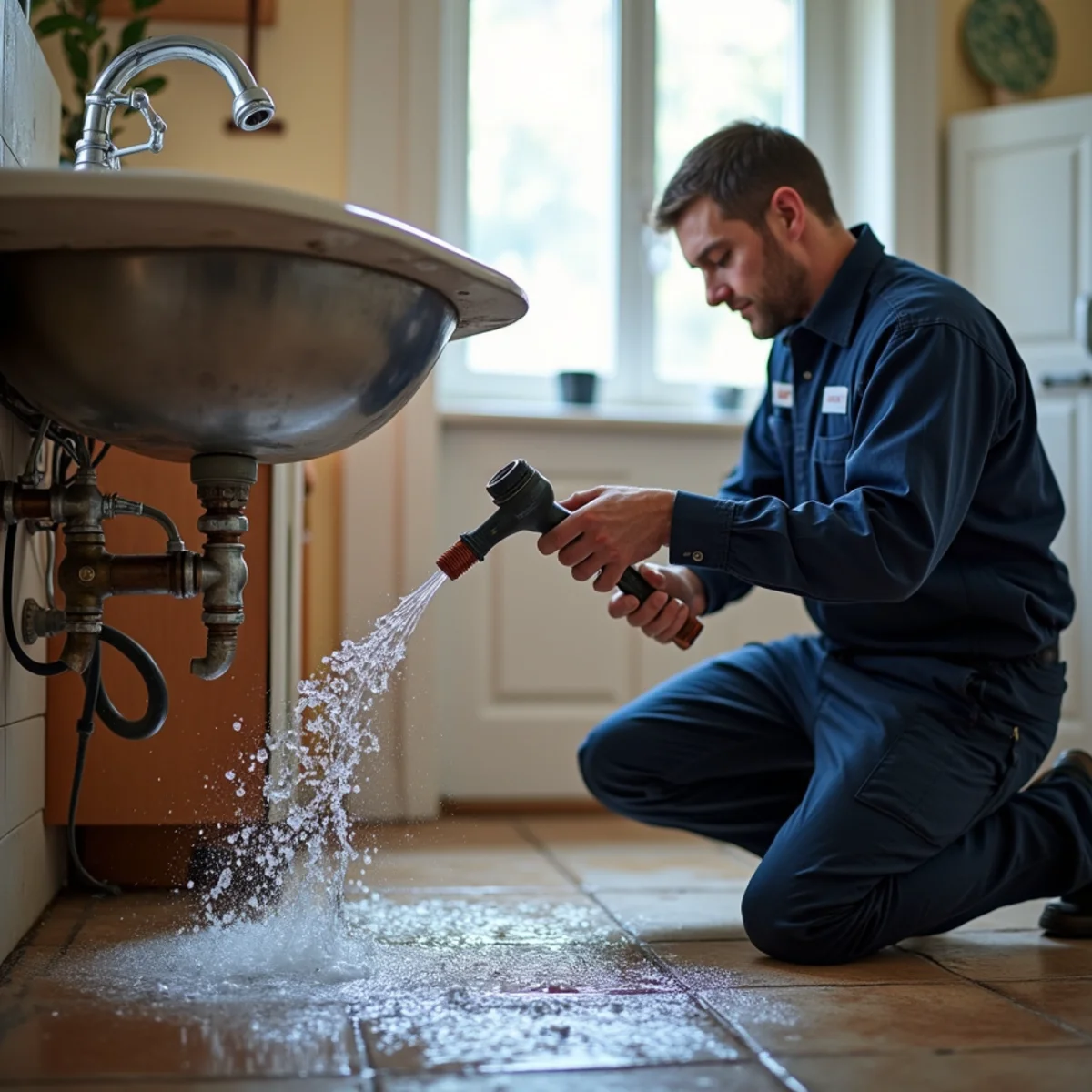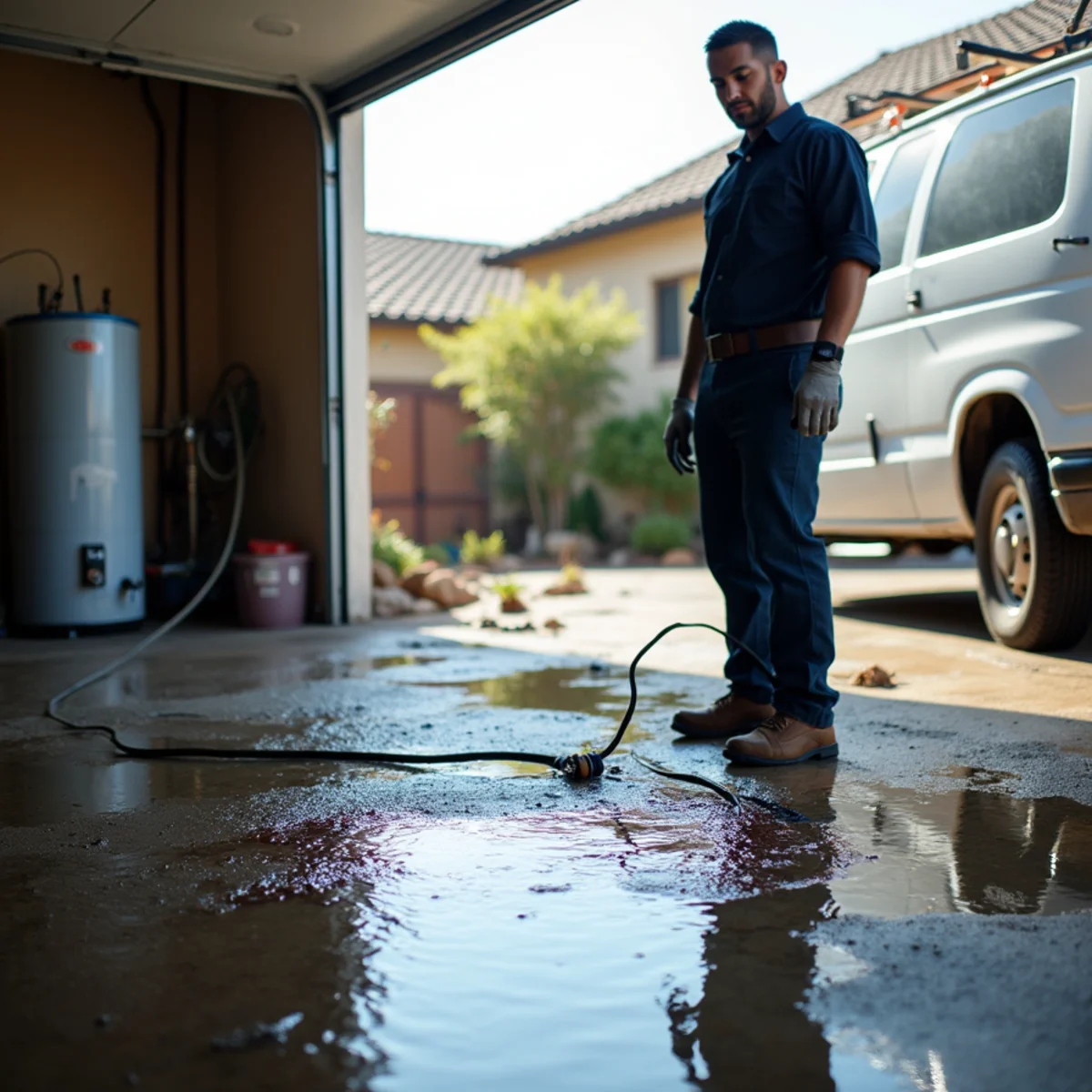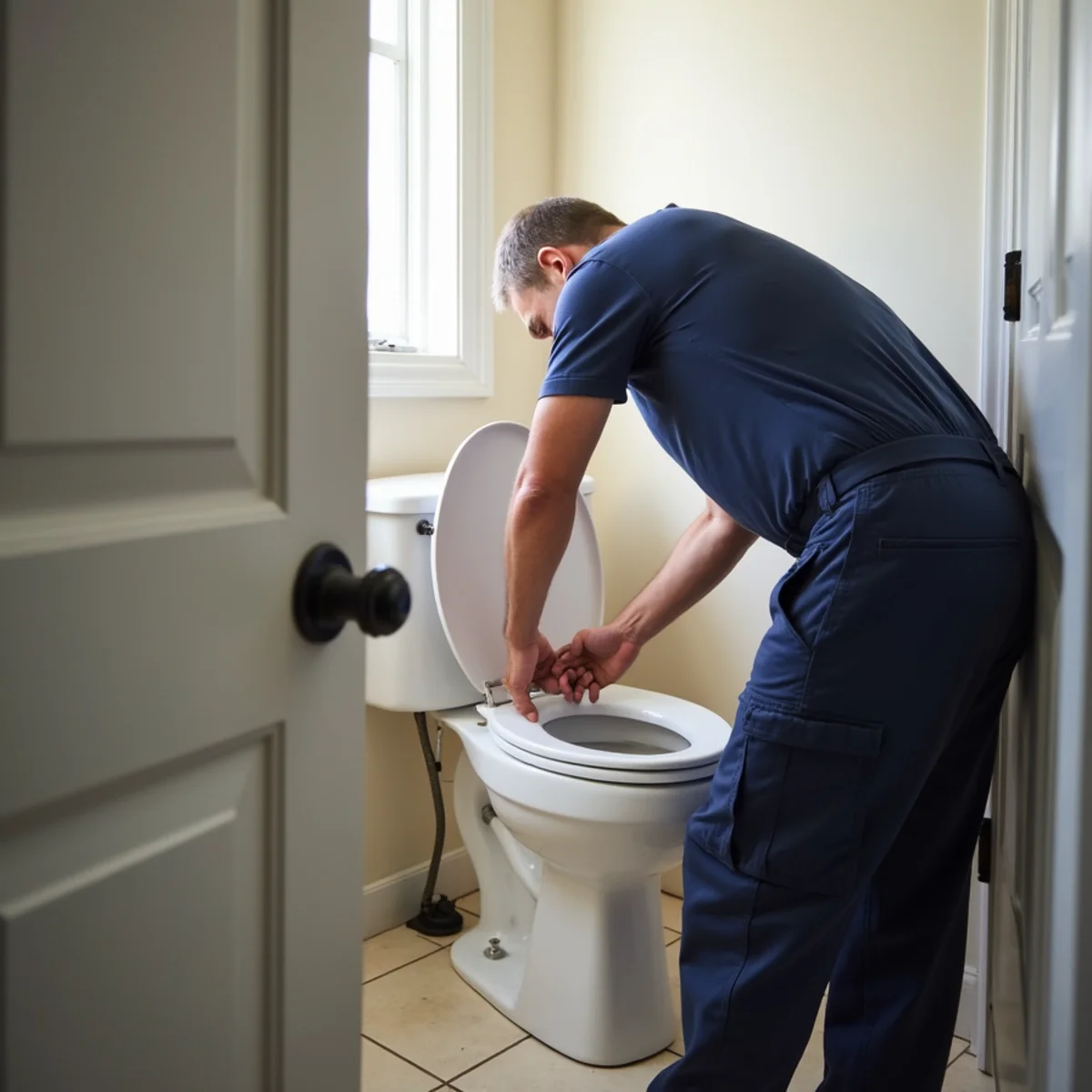
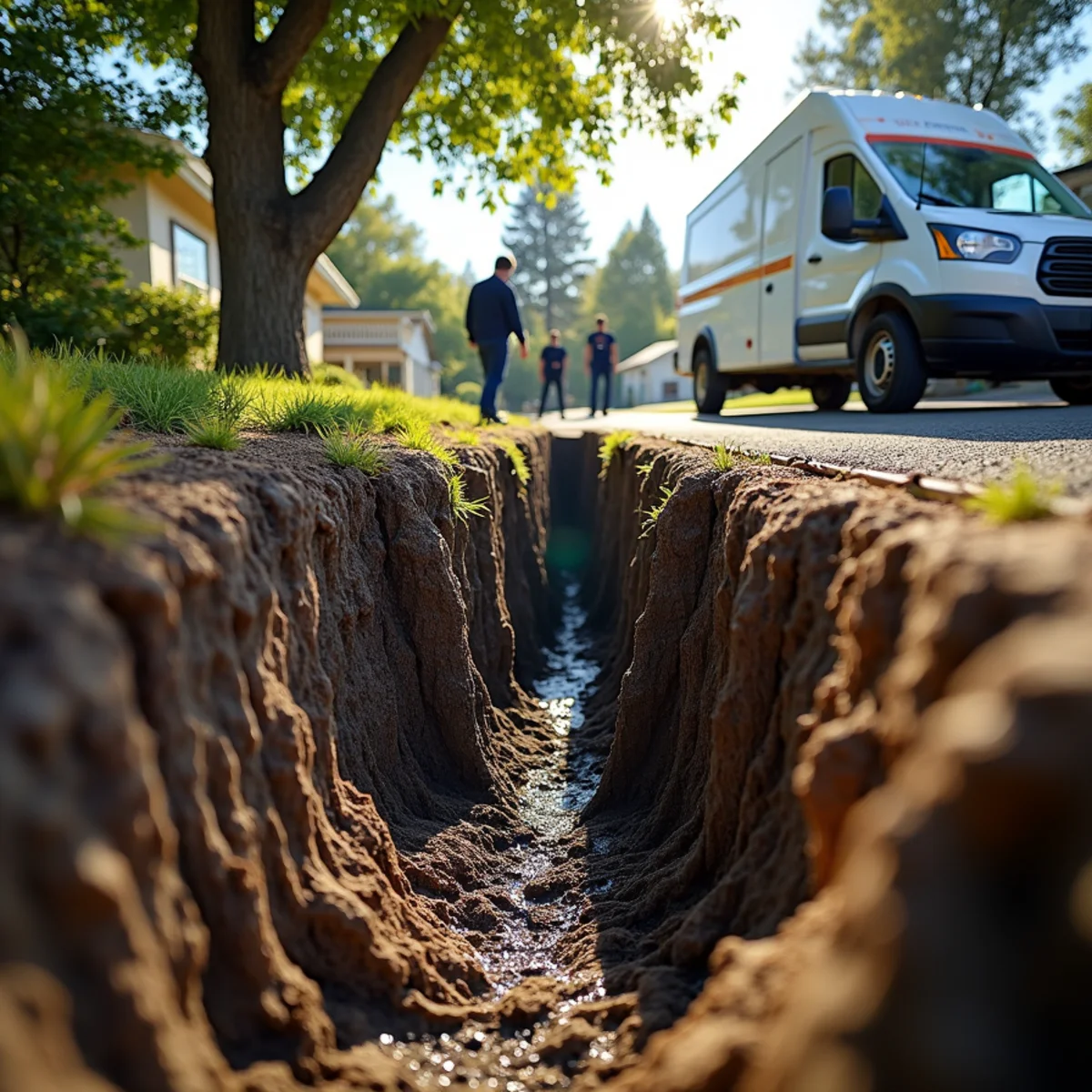
A sewage backup feels like it comes out of nowhere. It rarely does. Tree roots in a sewer line work slowly, and for weeks or months before the mess, the line drops hints that something is wrong underground. Homeowners who learn to read those hints get the line cleared on a calm weekday. The ones who miss them get the emergency version, usually at the worst possible time.
Roots are the most common cause of sewer line failure in older neighborhoods, and they follow a predictable pattern you can catch early. Here are the warning signs that roots are working into your line, how the problem escalates if you ignore them, and what to do about it before you ever need sewage cleanup — with a look at why the tree-lined streets of Saranap, Concord are especially prone to it.
Why roots love sewer lines
Sewer lines carry a steady supply of water, nutrients, and oxygen — exactly what a tree is hunting for underground. Roots sense the moisture and warmth escaping from tiny cracks or loose joints in the pipe, then grow toward it. Once a fine root threads through a gap, it thrives in the nutrient-rich flow and expands into a dense mat inside the pipe.
That mat does two things. It catches everything moving through the line — grease, paper, solids — building a blockage, and it slowly enlarges the crack it entered through, which can lead to the pipe cracking further or collapsing. Both problems get worse with time, never better.
Warning signs to catch early
Roots announce themselves before they block the line completely. Watch for these, especially if you have mature trees near the sewer path:
- Slow drains throughout the house that clear briefly, then slow again within days or weeks.
- Gurgling toilets — bubbling sounds when a toilet is not in use signal trapped air behind a partial blockage.
- Recurring clogs that come back no matter how many times you plunge or snake them.
- A faint sewage smell in the yard or near floor drains, particularly after heavy use.
- A patch of lawn that is greener, faster-growing, or soggy over the sewer line, fed by leaking nutrients.
How the problem escalates
Ignored, a root intrusion follows a grim arc. First the drains just seem lazy. Then clogs get frequent and harder to clear. Then one day a fixture backs up — often a shower or ground-floor toilet — because the mat has finally caught enough debris to block the line entirely. At that point you are looking at contaminated water in the home and an urgent problem.
The pipe damage compounds it. A line weakened by roots is more likely to crack or collapse under the strain, which can turn a cleaning job into a repair or replacement. Catching roots at the 'slow drain' stage is dramatically cheaper and cleaner than catching them at the 'sewage on the bathroom floor' stage.
What to do about it
If the warning signs point to roots, the path forward is straightforward and worth acting on before the next heavy-use holiday or storm:
- Get a camera inspection — a sewer camera confirms roots, shows their location, and reveals the pipe's condition.
- Have the line cleared — mechanical cutting or hydro-jetting removes the root mass and restores flow.
- Ask about the pipe's future — depending on the damage, options range from periodic maintenance to trenchless lining or replacement.
- Mind what you flush — grease and 'flushable' wipes turn a partial root blockage into a full one fast.
The Saranap angle: mature trees over old laterals
Saranap, Concord is exactly the kind of established neighborhood where roots thrive: decades-old trees with deep, wide root systems growing over sewer laterals that were laid in an era of clay and early cast-iron pipe. Those older materials crack and separate at the joints as they age, and there is a mature tree canopy overhead ready to exploit every gap.
For Saranap homeowners, the smart move is to treat slow drains and gurgling toilets as early evidence rather than nuisances. A camera inspection during a calm week is a small price next to an emergency sewage cleanup after a full backup — and it lets you fix the line on your schedule, not the pipe's.
Pro insight: the clearing method should match the pipe, not the calendar
When roots are confirmed, there are two ways to clear them, and picking the wrong one can turn a maintenance visit into a repair. A mechanical auger or root saw punches a hole through the mass and gets flow back, but it leaves the finer roots behind, so regrowth is fast — often within months. Hydro-jetting scours the full pipe wall with high-pressure water, cutting roots back closer to the wall and flushing out the debris, which buys far longer between visits.
The tradeoff is that jetting's pressure can finish off a pipe that is already fragile. On brittle clay, cracked cast iron, or old Orangeburg, aggressive jetting can collapse a line an auger would have left intact. That is why the camera inspection is not only to confirm roots — it is to judge whether the pipe can take a jetting at all.
So the right order is inspect first, then choose: jetting for a structurally sound line you want to keep clear for years, gentler mechanical clearing for a pipe living on borrowed time until it can be lined or replaced. Match the method to the pipe's condition and you avoid turning a slow drain into an emergency sewage cleanup.
Frequently asked questions
Related pages
Water Concord
IICRC-certified water damage restoration, based in Concord and serving all of Contra Costa County. We answer 24/7 — if you’re dealing with water damage right now, call (201) 277-9344.