
Just before midnight on July 17, 1944, the ground under Concord shook hard enough to break windows and crack plaster. Roughly ten miles north, at the Port Chicago Naval Magazine on Suisun Bay, munitions being loaded onto cargo ships detonated in a blast so large it was felt for miles and killed 320 sailors and civilians — most of them African American enlisted men doing the dangerous loading work. It remains one of the deadliest home-front disasters of World War II.
The explosion is a somber chapter of local history, and it also marks a moment in time for Concord's housing. The homes standing then, and the wartime and post-war housing that followed near the Port Chicago Highway area and North Concord, are now among the oldest in the city. Many still run on their original plumbing — and that is where the history connects to a very present-day problem.
What happened at Port Chicago
The Port Chicago Naval Magazine was a wartime shipping point for ammunition bound for the Pacific. On that July night, two ships were being loaded when an enormous explosion tore through the pier. The 320 people killed were overwhelmingly African American sailors assigned to the hazardous loading details, a fact that fed directly into the events that followed.
In the aftermath, hundreds of surviving sailors refused to return to the same unsafe loading work, leading to the Port Chicago Mutiny trial that became a landmark in the history of military desegregation. The shockwave also damaged structures across the surrounding communities, Concord included, breaking glass and cracking walls miles from the blast.
How the blast fits Concord's housing timeline
The war years and the decade after them reshaped Concord. Military activity brought people and housing, and North Concord in particular carries a stock of military-era and early post-war homes. These are, by definition, some of the oldest houses in the city — many now 75 to 80 years old or more.
The explosion did not damage today's plumbing. What it marks is the era. A home standing near the Port Chicago Highway area that dates to the 1940s has had its water lines in service for the better part of a century, and unless someone has repiped it, that original plumbing is decades past what it was built to last.
What eight decades does to original pipe
Plumbing from the 1940s was typically galvanized steel for supply and cast iron for drains. Galvanized pipe relies on a zinc coating that wears away over time; once it is gone, the steel underneath rusts inward, narrowing the pipe and thinning its walls until it leaks. Eighty years is far beyond the point where that process runs its course.
The failures we see in the oldest homes follow a pattern: pressure that has faded for years, water with a rusty tint, a repair on one aged line quickly followed by a leak on the next. Cast iron drains of the same vintage crack and corrode too, leaking quietly under floors and inside walls where the damage compounds before anyone notices.
Why the oldest homes need a faster response
Age cuts two ways in a water loss. The pipe is more likely to fail, and the structure around it is more vulnerable when it does. Original plaster, lath, and old-growth subfloor soak up water readily, and older homes often have less accessible plumbing — inside walls, under slabs, beneath additions built over the decades. A slow leak in a 1940s wall can run a long time before it shows.
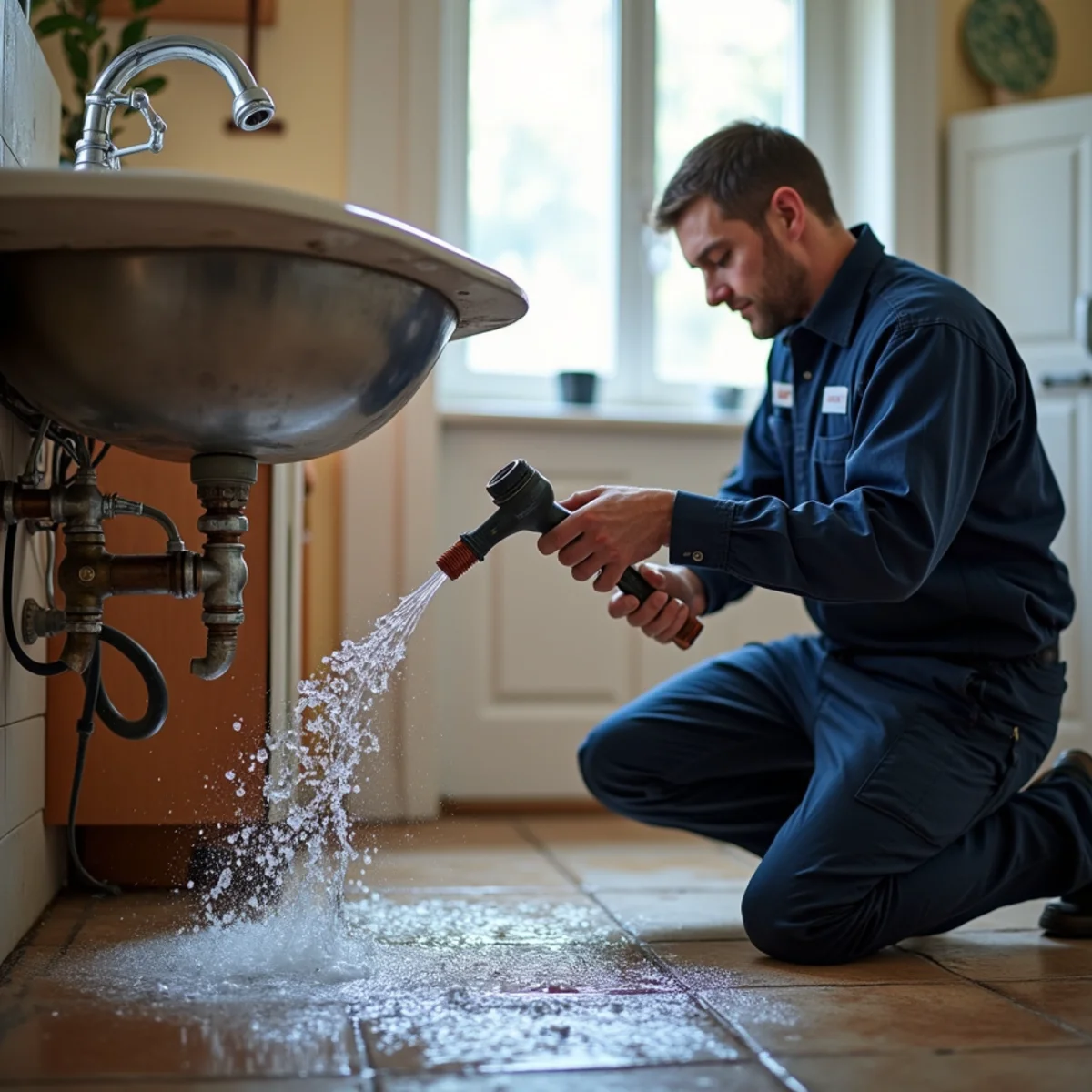
That is why prompt water damage restoration in Concord matters even more in these homes. The faster the water is extracted and the structure dried, the less of the irreplaceable old material is lost, and the smaller the window mold has to take hold — which it can do in 24 to 48 hours.
- Water pressure that has slowly faded over the years
- A rusty or brown tint when you first run a tap in the morning
- One aging supply line failing, then another not long after
- Slow or gurgling drains served by original cast iron
- No record of a repipe on a home built in the 1940s or 1950s
Respecting the history while fixing the pipe
Many of these older homes have real character and, sometimes, historical value worth preserving. Good restoration works to dry and save original material where it is safe to do so, rather than gutting by default. When plumbing keeps failing, though, the kind fix is to plan a repipe so the house is not living from one emergency to the next.
If you own one of Concord's older homes and have never had the supply lines evaluated, that is the practical takeaway from this piece of history. The homes that stood through 1944 have given long service. Their original pipe has given all it has to give.
The shutoff valve that fails when you need it most
When an eighty-year-old pipe finally lets go, the amount of damage often comes down to one overlooked part: the main shutoff valve. On homes of this vintage the original valve is usually an old gate valve, and after decades untouched it seizes — the handle spins or snaps while the water keeps running. Take five minutes this weekend to find your main shutoff and turn it fully off and back on. If it is stiff, weeping, or will not seat, have it swapped for a modern quarter-turn ball valve you can close in one motion, and locate the curb or meter shutoff too in case the house valve fails.
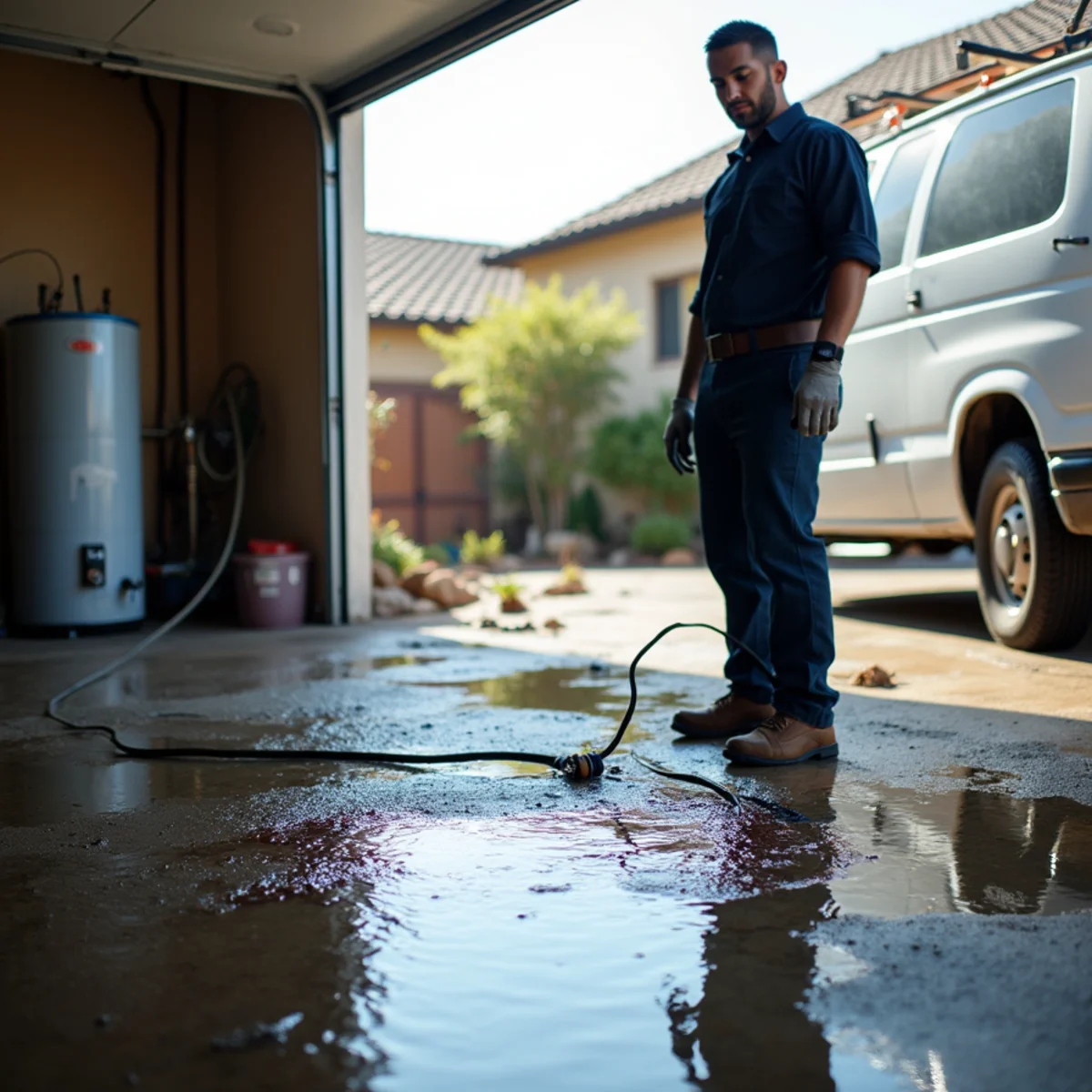
While you are at it, remember that the buried service line feeding these homes is frequently the same 1940s galvanized as the interior pipe — and replacing it when it corrodes through falls on the homeowner, not the utility. None of this stops a pipe from aging, but it changes the outcome when one fails: minutes to shut the water off instead of a frantic search while it pours into original plaster and subfloor. When a line does give way, fast emergency water removal is what saves the irreplaceable old material in these houses.
Frequently asked questions
Water Concord
IICRC-certified water damage restoration, based in Concord and serving all of Contra Costa County. We answer 24/7 — if you’re dealing with water damage right now, call (201) 277-9344.