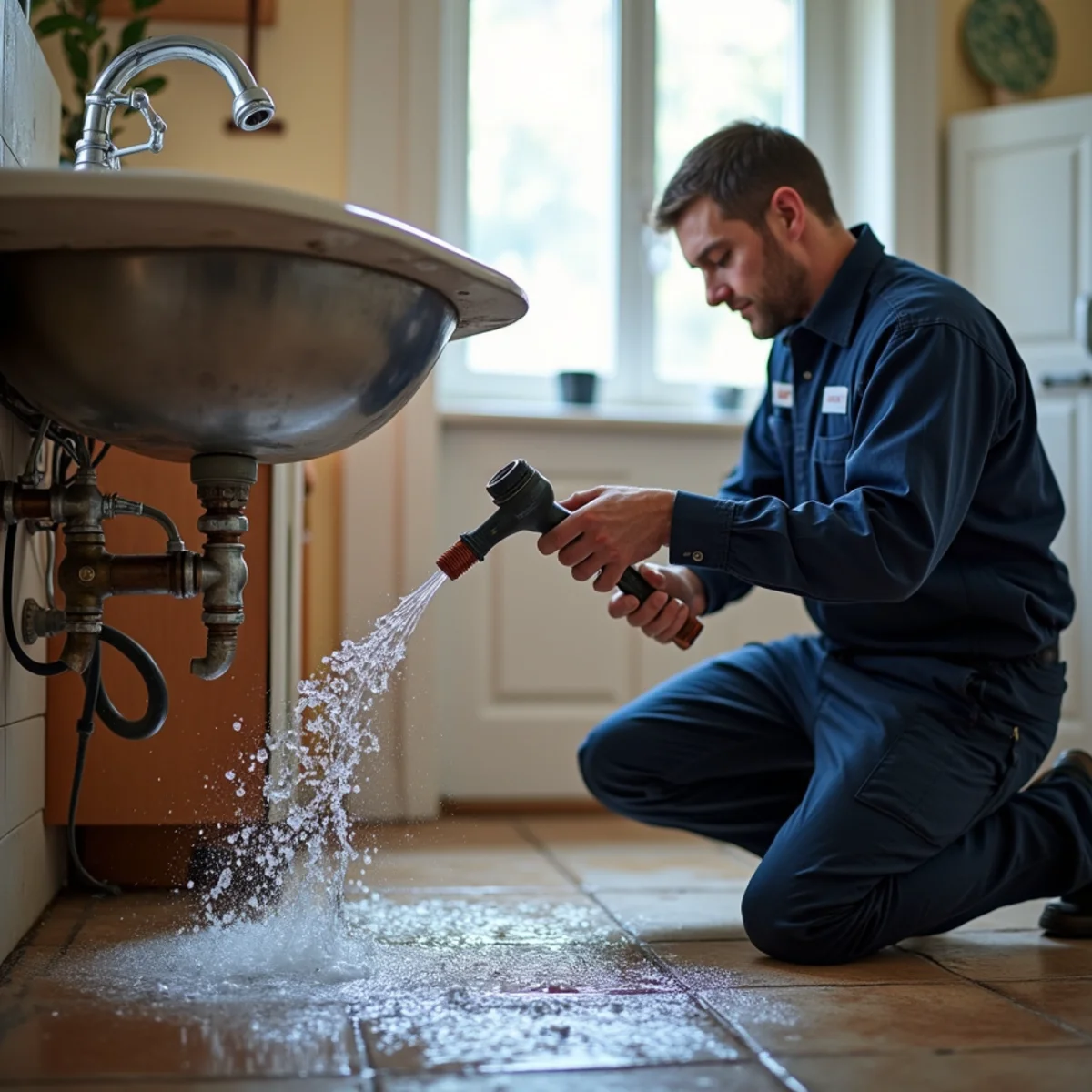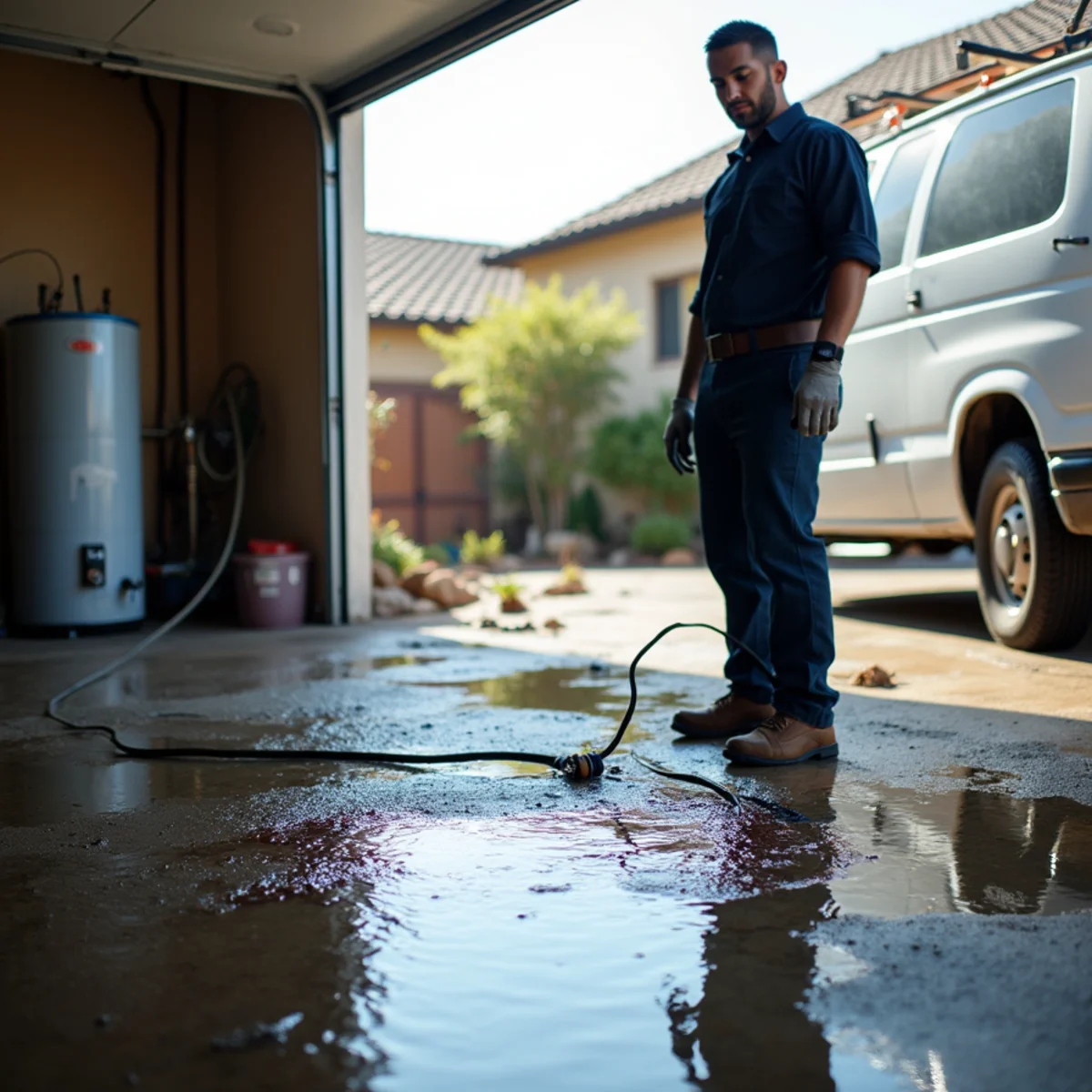
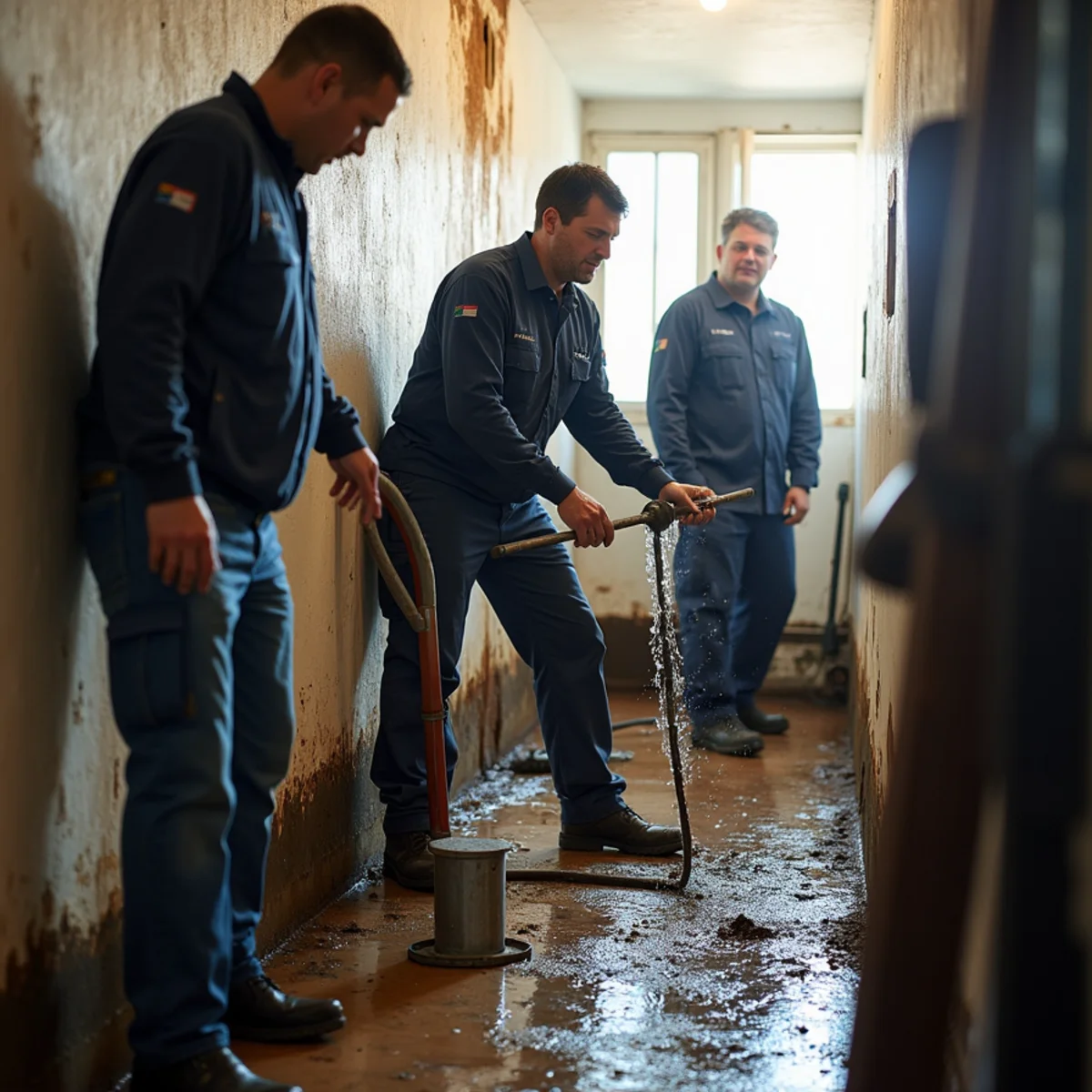
A sewage backup is the water emergency nobody wants to talk about and many homeowners handle wrong. It isn't just dirty water — it's Category 3 contamination, the kind that carries bacteria and viruses and can't be mopped up with towels and hope. And when the bill comes, many homeowners discover their policy quietly left this exact scenario out.
Two questions decide how a sewage backup plays out: what will safe cleanup actually cost, and will insurance pay for it? This guide covers both — the factors that move the price, why standard homeowners policies often exclude backups, and the small endorsement that changes everything. No invented prices, just the real drivers.
Why sewage cleanup costs more than clean-water jobs
Sewage is Category 3 water — black water, in the industry — and it changes the entire job. Where a clean-water leak might be extracted and dried, sewage contamination means porous materials it touched often have to be removed and discarded, the area has to be disinfected to a sanitary standard, and crews work in protective gear under containment. The health risk is why sewage cleanup and backup removal follows stricter protocols than any other water loss.
That protocol is what you're paying for: safe extraction, removal of contaminated materials, antimicrobial treatment, drying, and verification that the space is truly clean — not just dry.
What drives the cost up or down
Sewage cleanup pricing varies with the situation. The main factors:
- Volume and spread. How much came up, and how far it traveled across floors and into adjoining rooms.
- Contamination level. A clear toilet overflow is handled differently than raw sewage from a main-line backup.
- Affected materials. Carpet, pad, drywall, and cabinetry that absorbed contaminated water usually can't be saved and must be removed.
- Where it happened. A finished basement or living space costs more to restore than an unfinished utility area.
- How long it sat. Contamination and odor worsen by the hour, and delay drives up both scope and health risk.
- Structural drying and rebuild. Once the contamination is gone, the structure still has to be dried and the removed materials replaced.
The insurance question: are you actually covered?
Here's the trap. Standard California homeowners policies frequently exclude sewer and drain backups by default. The sudden-and-accidental rule that covers a burst pipe often doesn't extend to sewage rising through your drains — it's treated as a separate risk that needs its own coverage.
That coverage is a sewer/water backup endorsement, an add-on you elect and pay a small premium for. If you have it, backup cleanup and the resulting damage are typically covered up to the endorsement's limit. If you don't, you may be paying out of pocket, even though the loss felt just as sudden as any burst pipe.
When a backup might be covered — and when it won't
Coverage tends to break down like this:
- Covered: a sudden backup when you carry a water/sewer backup endorsement, up to its limit.
- Often covered: resulting damage from a sudden covered event, even if the pipe repair isn't.
- Usually excluded: any backup at all without the endorsement.
- Excluded: backups from long-neglected maintenance, or flooding from a municipal event that falls under separate flood rules.
Why older East Bay sewer lines back up
Sewage backups aren't random. In older Concord and Pittsburg neighborhoods, the usual culprits are aging clay or cast-iron laterals invaded by tree roots, decades of grease and buildup, and heavy winter storms that overwhelm the system. A line that's been slowly narrowing for years finally clogs, and everything backs up into the lowest fixtures — a downstairs shower, a floor drain, a basement.
If you've had slow drains, gurgling toilets, or backups before, that's the system warning you. There's also the question of responsibility: if the blockage is in the city's main rather than your lateral, the municipality may bear some of it — though pursuing that is often slow, which is exactly why the endorsement matters. Every policy is different and endorsement limits vary widely, so read your policy for 'water or sewer backup,' and if it's missing, ask your agent what the add-on costs.
What to do the moment it happens
Treat a sewage backup as a health hazard, not a cleaning chore. Keep people and pets away from the contaminated area, don't run water that drains to the affected line, and shut off electricity to the area if it's safe to reach the breaker. Then call for professional cleanup — this is not a shop-vac job. Document everything with photos before removal for your claim, and get a trained crew in fast, because with Category 3 water, every hour raises both the cost and the risk.
Two limits to check before a backup ever happens
If you take one thing from this article, make it this: having a backup endorsement isn't enough on its own — the limit matters, and two separate coverages are in play.
First, the endorsement's dollar limit. Water and sewer backup riders are often written at modest caps, and a Category 3 cleanup that means removing flooring, drywall, and cabinetry, disinfecting, and then rebuilding can run past a low limit fast. If your cap sits well below what a finished lower level would cost to restore, ask your agent to raise it — the added premium is usually small next to the exposure.
Second, know what the backup endorsement does not do: it covers the cleanup and resulting damage, but not the repair of your broken sewer lateral itself. That pipe repair is a different add-on — often sold as 'service line coverage' — and without it you pay to fix the failed line out of pocket, on top of the cleanup.
This is worth sorting out now if you own an older home in Concord or Martinez, where clay and cast-iron laterals fail most. Match your limit to a realistic worst case, and consider service line coverage alongside the backup rider.
One caution: endorsement names, dollar limits, and what service line coverage actually includes all vary by carrier. Confirm both in writing before you ever need them.
Frequently asked questions
Related pages
Water Concord
IICRC-certified water damage restoration, based in Concord and serving all of Contra Costa County. We answer 24/7 — if you’re dealing with water damage right now, call (201) 277-9344.