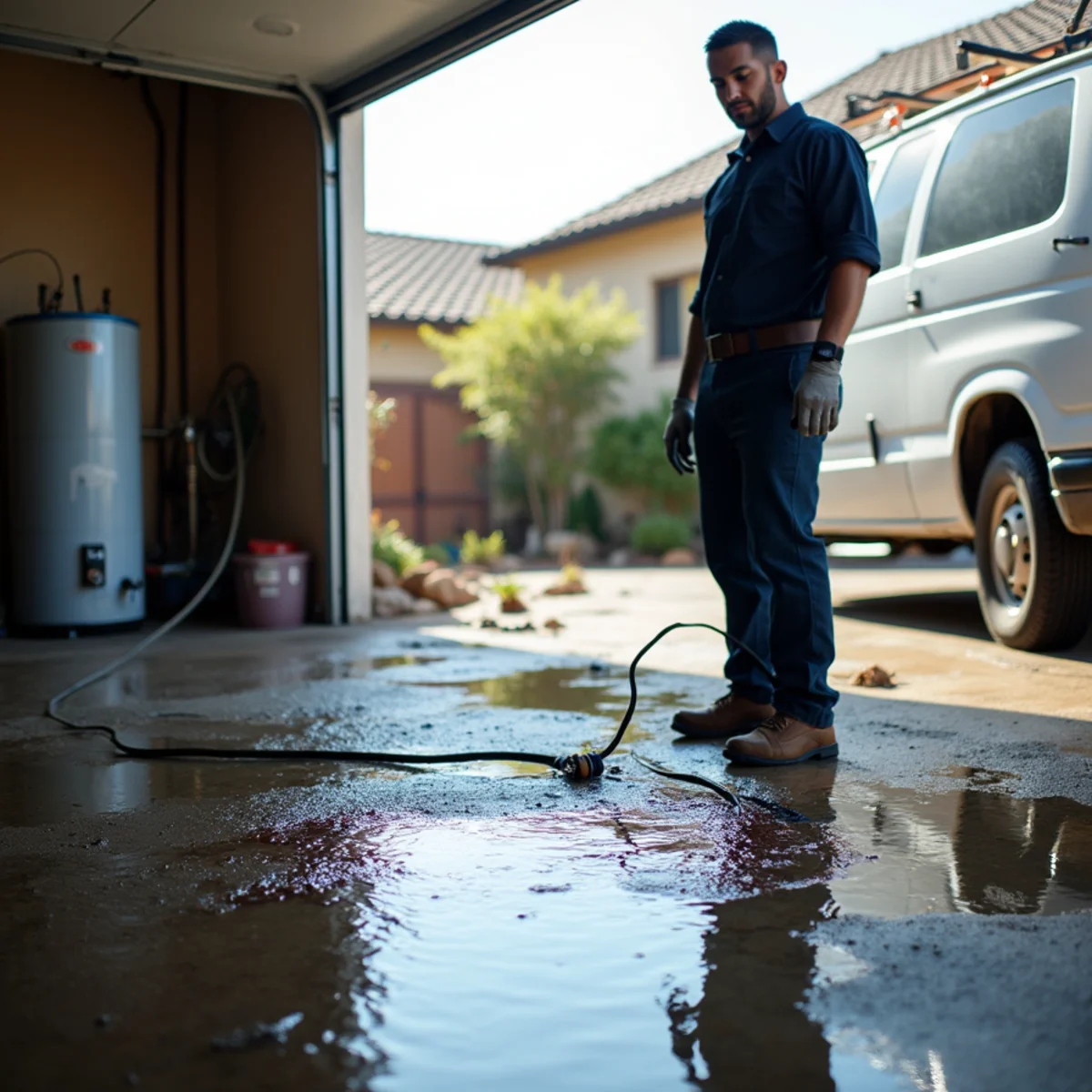
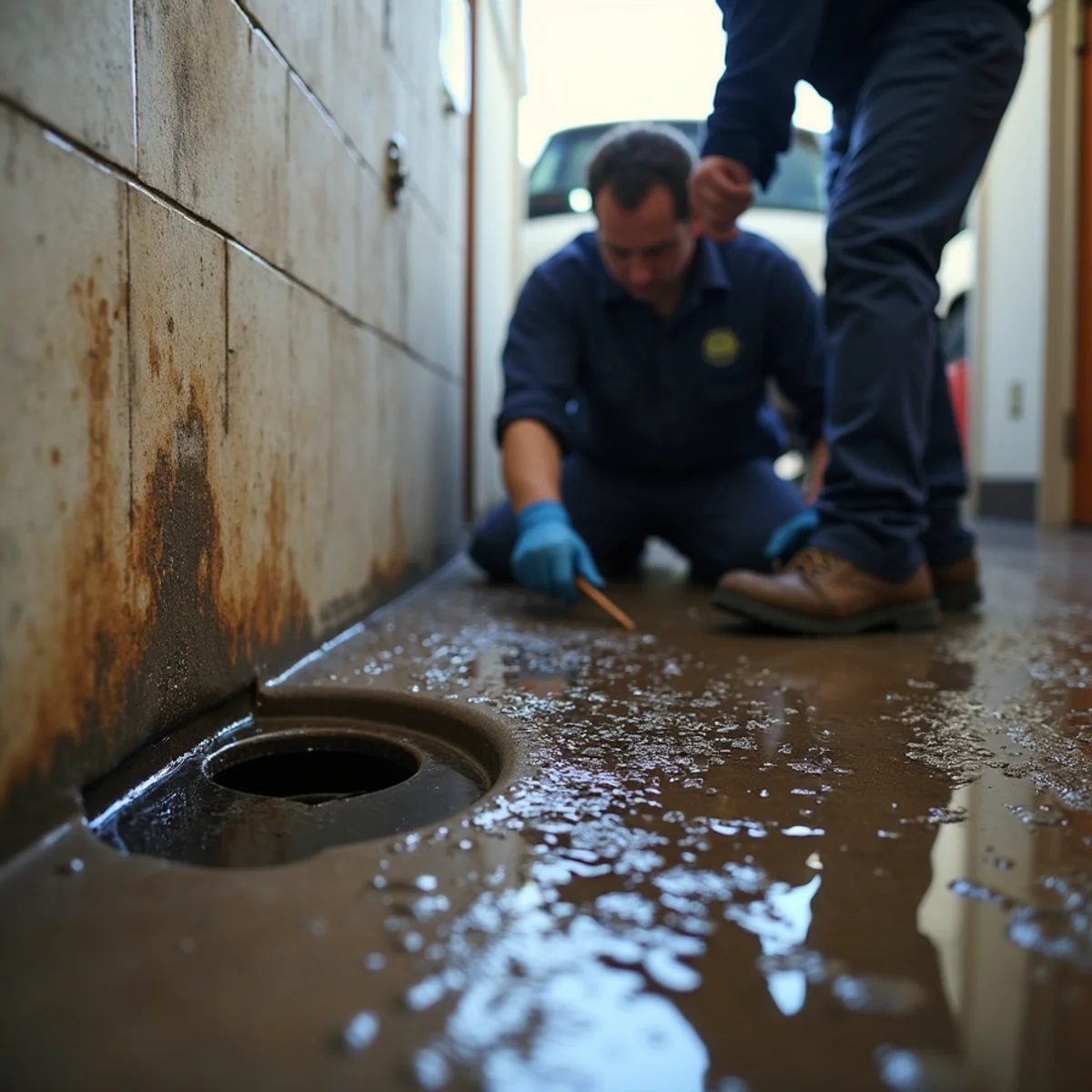
You run the washing machine or flush a toilet, and instead of draining away, dark water rises up through the shower. It is alarming, it smells, and it is one of the clearest signals a home can give you that something is wrong deep in the plumbing. This is not a clog you plunge and forget. Sewage in the shower is a warning about the whole system.
The shower is often where a sewer problem shows itself first, and the water coming up is contaminated in a way that demands care. Here is what causes sewage to back up into a shower, why the health risk is genuinely serious, and how safe sewage cleanup is handled — including in the hillside homes around Orinda where older lines and mature trees complicate things.
Why sewage comes up the shower first
Plumbing follows gravity. When a blockage forms in the main sewer line — the pipe that carries everything from your home out to the city sewer or septic — the wastewater has nowhere to go but back up. It escapes at the lowest open drain in the house, and in most homes that is the shower or a ground-floor tub, which sit lower than sinks and toilets.
So when the shower gurgles or fills while you use another fixture, it is telling you the blockage is downstream of everything, in the main line. That is a different and bigger problem than a single clogged drain, and it will not clear itself.
Common causes
A mainline backup that surfaces in the shower usually traces to one of a handful of causes:
- A mainline clog from grease, wipes, or years of buildup narrowing the pipe.
- Tree roots that infiltrated the sewer line seeking moisture and formed a mat that catches debris.
- A collapsed or offset pipe, common in older clay or cast-iron laterals that have cracked or shifted.
- A city sewer surcharge, where heavy storm flow overwhelms the public main and pushes back into homes.
- A failing septic system on properties that are not on city sewer.
The health risks are real
Sewage is Category 3 water — the most contaminated classification there is. It carries bacteria such as E. coli, viruses, parasites, and other pathogens that cause gastrointestinal illness, skin and eye infections, and respiratory problems. The airborne component matters too: as sewage sits, it releases gases and aerosolizes contaminants, so the risk is not limited to what you touch.
This is why sewage cleanup is never a mop-and-bucket job. Anyone handling it needs protective equipment, the area needs containment so contamination does not spread through the home, and every porous material the sewage touched has to be evaluated for removal. Treating it casually is how a plumbing problem becomes a family health problem.
What to do — and what not to do
Your first moves in the minutes after you spot sewage in the shower shape how bad it gets:
- Stop using water — no flushing, no laundry, no sinks — so you do not push more sewage up.
- Keep people and pets away from the affected room and anything the water touched.
- Do not try to plunge or snake the main yourself; a mainline blockage is beyond a household plunger and you risk contact.
- Turn off any electrical to the wet area at the breaker if you can do so safely.
- Call for professional sewage cleanup and a plumber to clear the line.
How safe cleanup is handled
Professional sewage cleanup treats the event as the contamination hazard it is. Crews contain the area, extract the contaminated water, remove and dispose of porous materials the sewage reached, then clean and disinfect every hard surface to a sanitary standard before drying the structure. The line itself gets cleared and, ideally, camera-inspected to find why it backed up in the first place.
That last step matters. A backup that was caused by tree roots or a collapsed pipe will return if only the symptom is cleaned up. Identifying the root cause — sometimes literally — is what turns a one-time cleanup into a permanent fix.
The Orinda angle: hillsides, old lines, and roots
Orinda is a town of wooded hillsides, mature trees, and homes whose sewer laterals have been in the ground for decades. That combination is practically designed to cause backups. Thirsty roots from large oaks and pines work into aging clay and cast-iron laterals, and the hillside grades mean a blockage can surcharge quickly. When an Orinda shower starts backing up, roots in the lateral are one of the first things worth ruling out.
Because roots grow back, Orinda homeowners who have had one backup are wise to watch for the early warning signs and address the line before the next storm season loads it up again.
Pro insight: if it backs up once, ask about a backwater valve
Cleaning up a sewage backup deals with the mess. It does nothing to stop the next one, and where the cause is a city sewer surcharge — the public main overflowing in a storm and pushing back toward your fixtures — the next one is a matter of when, not if. The fix pros recommend for that pattern is a backwater valve: a one-way flap installed in the lateral that lets your wastewater flow out but slams shut when flow tries to reverse into the house.
It is the single most effective defense against surcharge backups, and it is most valuable exactly where this article's shower symptom shows up — the low fixtures on the ground floor. The caveat we always add is that a backwater valve is not install-and-forget. Debris and grease can foul the flap, so it needs periodic inspection and cleaning to keep sealing properly.
The cleanup and the prevention are separate jobs, and both matter. Removing the contamination and drying the structure is water damage restoration; keeping the sewer from surcharging again is a plumbing decision worth raising the moment the first backup is behind you.
Frequently asked questions
Related pages
Water Concord
IICRC-certified water damage restoration, based in Concord and serving all of Contra Costa County. We answer 24/7 — if you’re dealing with water damage right now, call (201) 277-9344.