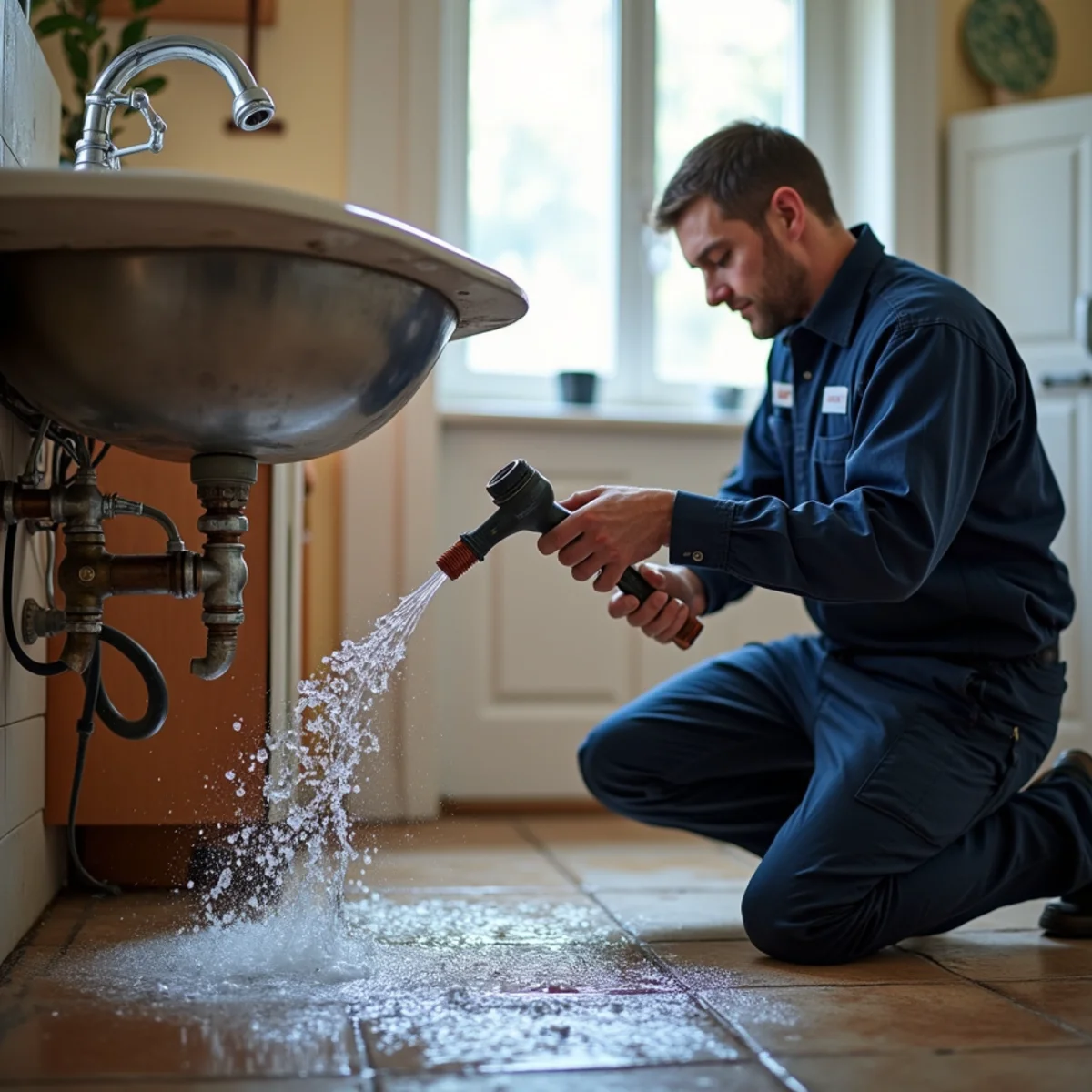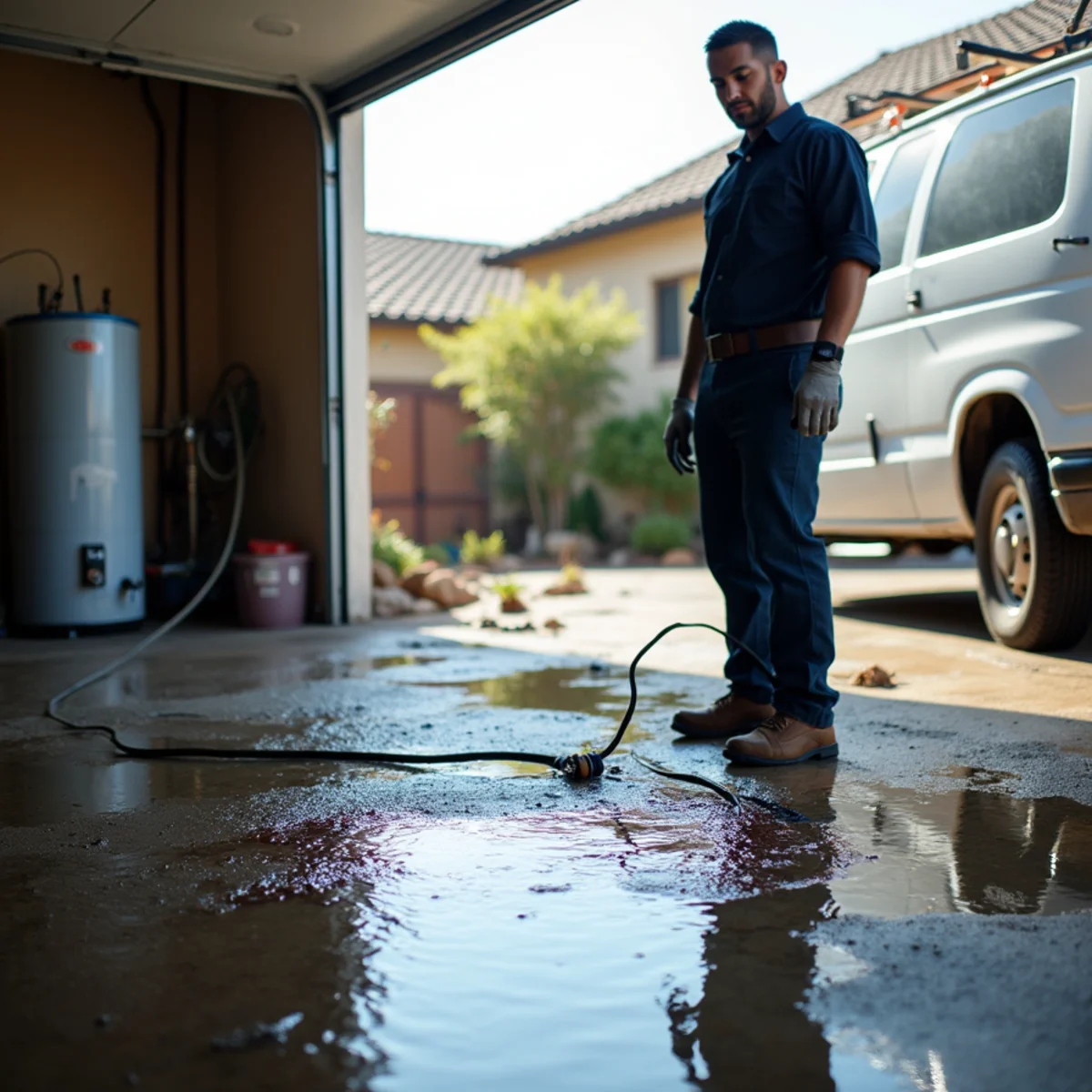
When a pipe fails in a rental, two questions land on the property manager at once: get it dried before it spreads, and figure out who pays for what. Get the first one wrong and a small leak becomes a mold claim and a habitability dispute. Get the second one wrong and you are arguing with a tenant, an owner, or an insurer weeks later.
California law and a well-written lease answer most of it, but the lines are not always where people assume. This guide lays out who is responsible for what in a California rental, where the tenant's duties begin, and how a fast, documented response protects everyone. It is general information, not legal advice — your lease and your counsel govern the specifics.
The default split: building vs. belongings
Start with the clean rule that covers most situations. It comes down to who owns what.
- The landlord owns and maintains the building — plumbing, roof, structure, and built-in systems — and repairs water damage to them.
- The tenant owns their personal belongings, and renters insurance, not the landlord's policy, covers those.
- The landlord's property insurance covers the structure; the tenant's renters policy covers their contents and, often, temporary living costs.
- Who caused the damage can shift the cost, even when it does not shift the repair duty.
California's habitability rule
California holds landlords to an implied warranty of habitability, and functioning, leak-free plumbing is part of it. When a covered leak makes a unit unlivable, the clock is not just financial — it is legal.
That means a property manager who delays drying a unit risks more than a bigger repair bill. Fast, professional water damage restoration in Concord is how you keep a repair issue from becoming a habitability claim. Document when you were notified and when work began; those timestamps matter.
When the tenant is on the hook
The building-versus-belongings split flips when the tenant caused the damage through negligence. California lets you hold a tenant responsible for harm they created, though you have to be able to show it.
- An overflowing tub left running, or a sink clogged and ignored.
- A leak the tenant noticed but never reported, letting small damage grow large.
- Unauthorized appliances — a portable washer or dishwasher hooked up against the lease.
- Damage from the tenant's own furniture, aquarium, or waterbed.
Where property managers get burned
Most disputes we see trace back to a few avoidable mistakes on the management side. Knowing them is half of avoiding them.
- Slow response to a reported leak — delay is what turns a covered repair into an alleged habitability violation.
- No paper trail: no dated maintenance request, no photos, no record of when drying started.
- Skipping proper drying to save a day, then paying for mold remediation a month later.
- Assuming the owner's policy covers tenant belongings — it does not, which is why a renters-insurance requirement belongs in the lease.
A response playbook that protects everyone
The same fast, documented process that limits the damage also settles the who-pays question later, because it produces evidence instead of arguments.
- Respond to any water report the same day, and treat it as urgent even if it sounds minor.
- Shut off the source and call for professional extraction and drying immediately.
- Photograph the source, the damage, and the affected belongings before anything is moved.
- Keep every notification, invoice, and moisture log together in one file for the claim.
- Coordinate the owner's carrier and the tenant's renters policy separately, each for its own share.
Local response for East Bay rentals
We work with property managers and owners across the East Bay, including the dense rental stock around the Concord BART station area, where a single failure can affect several units at once. A crew that shows up fast, dries to the IICRC S500 standard, and documents cleanly is what keeps a leak from becoming a lease dispute.
For multi-unit buildings and mixed-use properties, our commercial water damage restoration crews handle the scale and the coordination. When a unit takes on water, call (201) 277-9344 and we will extract, dry, and give you the photo and moisture record you need for both the owner's and the tenant's claims.
The California specifics that keep you out of court
A few California specifics separate a clean file from a lawsuit. When a leak turns out to be tenant-caused, you can charge the repair against the deposit, but Civil Code section 1950.5 gives you twenty-one days after move-out to return the balance with an itemized statement, with receipts attached above a small threshold. Miss that window and you can lose the right to keep any of it, no matter how clear the damage was.
Two more trip managers up. Entry to inspect or repair normally requires twenty-four hours' written notice under Civil Code 1954, but an active leak is an emergency, and the emergency exception lets you enter to stop it; note the time and reason when you do. And if drying leaves the unit uninhabitable, be ready to address temporary relocation rather than letting the tenant raise habitability later. None of this is legal advice, and your lease and counsel govern the details. What ties it together is the same fast, documented water damage restoration in Concord response: the timestamps and moisture logs are what settle every one of these questions.
Frequently asked questions
Water Concord
IICRC-certified water damage restoration, based in Concord and serving all of Contra Costa County. We answer 24/7 — if you’re dealing with water damage right now, call (201) 277-9344.