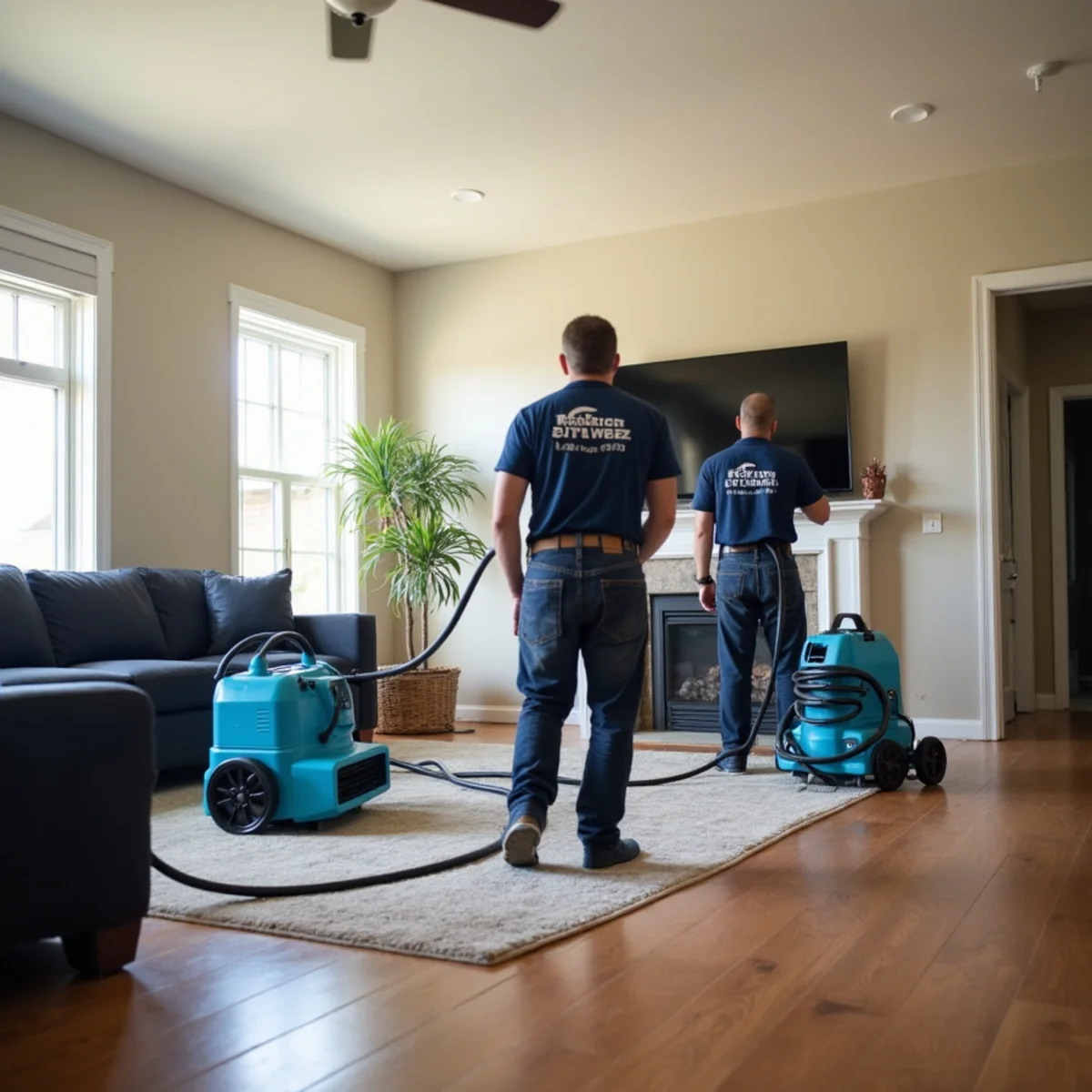
The equipment is loud, it runs day and night, and it is sitting in the middle of your living room. It is fair to want a straight answer to one question: how long until this is over? Structural drying takes as long as the wet materials need — but there is a realistic range, and knowing it helps you plan instead of guess.
Most residential jobs dry in three to five days. Some finish sooner, a few take longer, and the difference comes down to what got wet, how deep the water went, and how fast it was extracted. Below is a room-by-room timeline for structural drying and dehumidification, plus the factors that move the clock in either direction for homes across Concord and Clayton.
The benchmark: about three to five days
The industry standard under IICRC S500 is not a fixed number of days — it is a moisture target. Crews set a dry goal by measuring an unaffected part of your home, then run air movers and dehumidifiers until the wet areas match it. For a typical clean-water loss caught quickly, that takes three to five days of continuous drying with daily monitoring.
The equipment has to run around the clock. Turning it off overnight to save on noise or power lets humidity rebound and effectively restarts the clock, which is why the machines stay on until the readings say otherwise.
A room-by-room timeline
Different rooms and materials dry at their own pace. Rough expectations for a clean-water loss extracted promptly:
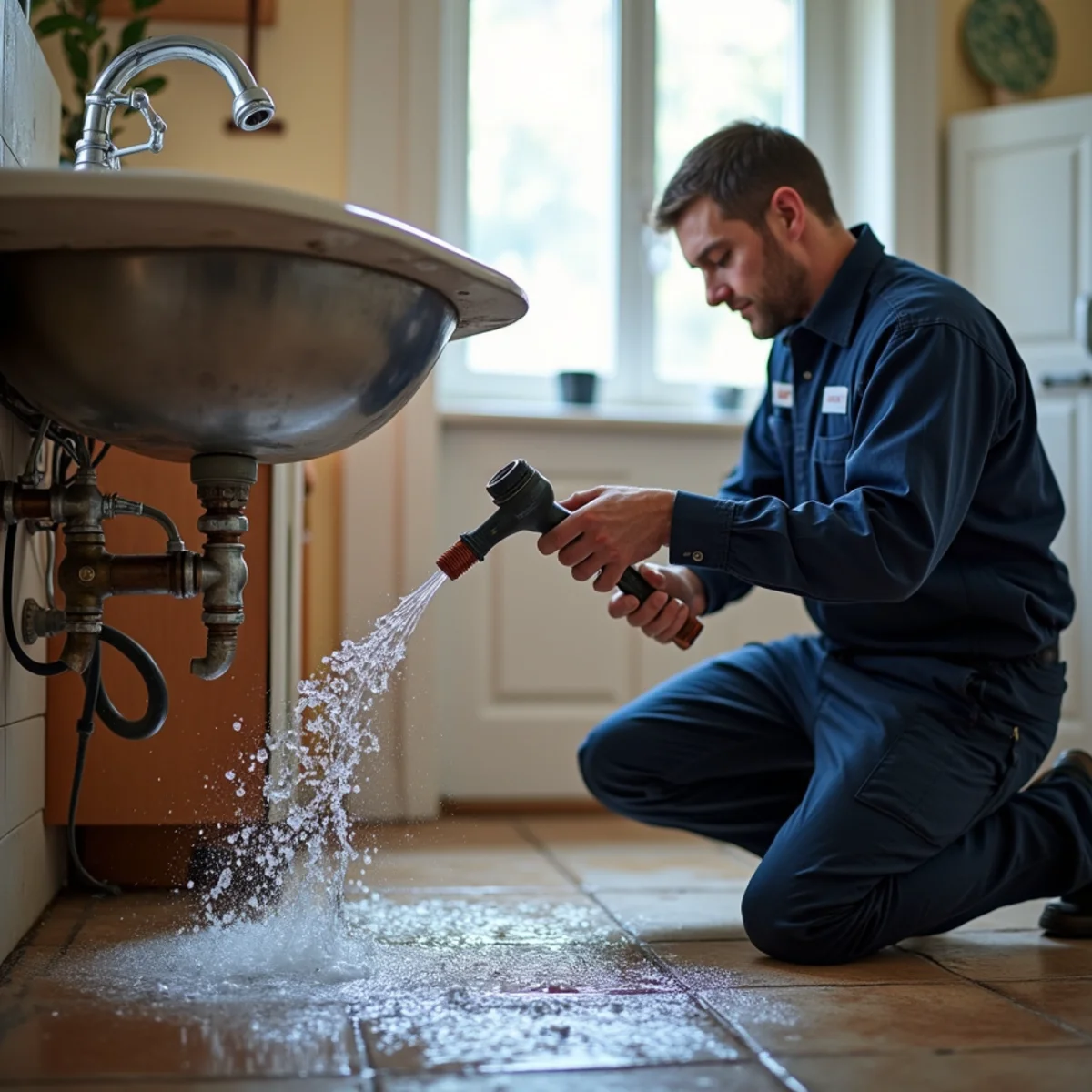
- Bathroom or small tile area — often 2 to 3 days; hard surfaces release water quickly once the cavity is dry.
- Bedroom or living room with carpet and pad — 3 to 4 days if the pad is floated and dried, longer if it is replaced.
- Kitchen with cabinets — 4 to 5 days; water trapped under cabinet toe-kicks and behind kickplates dries slowly.
- Hardwood flooring — 1 to 3 weeks; wood gives up moisture reluctantly and is dried with specialty mat systems.
- Plaster or thick masonry walls — 5 to 7 days or more, since dense materials hold moisture deep in the core.
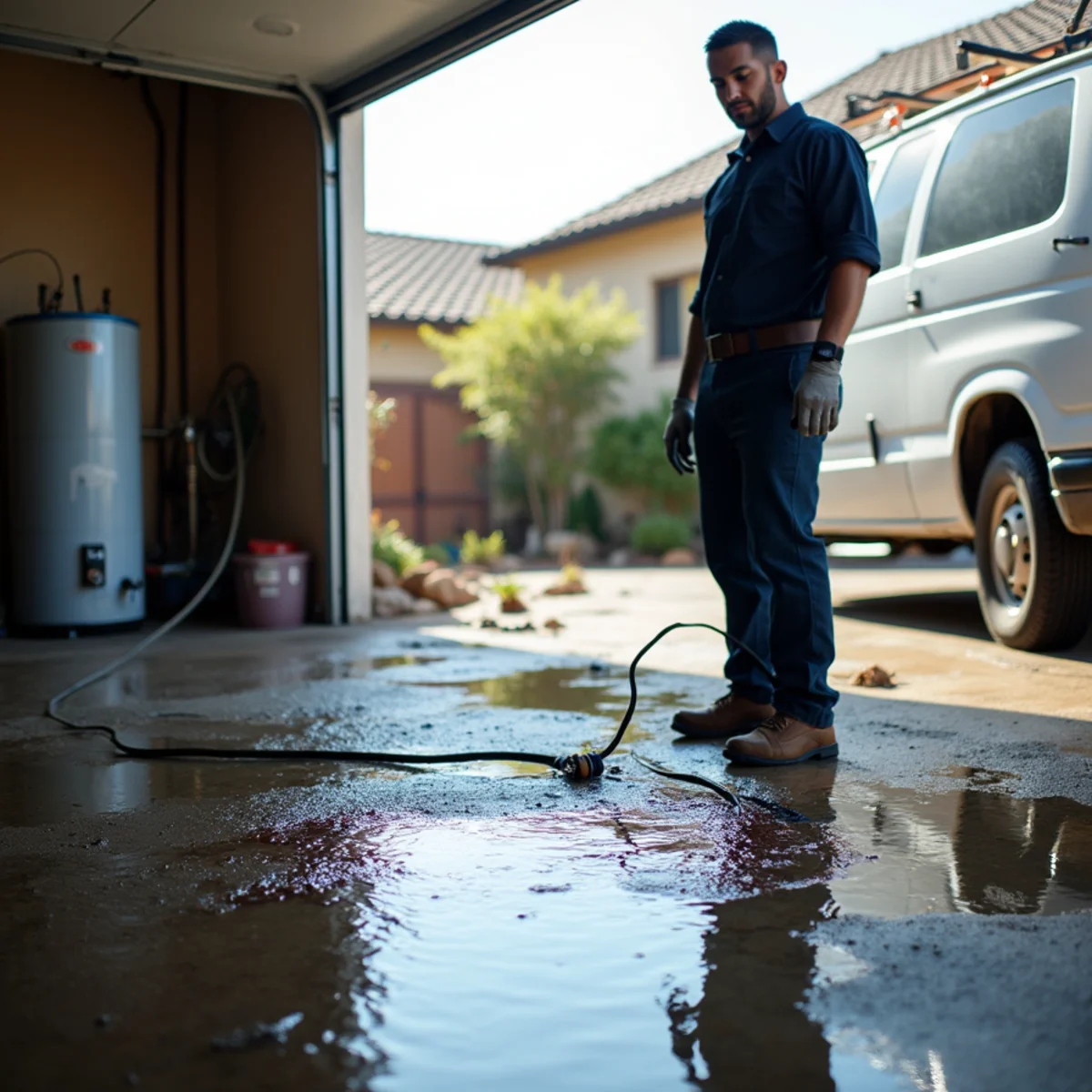
- Basement or crawlspace — 4 to 7 days; poor airflow and high standing humidity slow everything down.
What makes drying faster or slower
Two identical rooms can dry on very different schedules. The main levers are:
- How fast the water was extracted — the single biggest factor; every hour water sits, it wicks deeper.
- Water category — contaminated water often means removing materials rather than drying them.
- Material porosity — hardwood, plaster, and cabinetry dry far slower than carpet or drywall.
- Airflow and access — open rooms dry faster than tight closets, wall cavities, and toe-kicks.
- Weather — Concord's damp winter stretches raise indoor humidity and can add a day.
Why we won't pull the equipment early
It is tempting to call it done when the carpet feels dry and the room smells normal. That surface feel is misleading — the core of the subfloor and the base of the walls can still hold enough moisture to grow mold. We take daily meter readings and only remove equipment when the wet materials hit the dry goal set from your home's baseline.
Pulling machines a day early is how a job comes back as a musty smell or a mold spot weeks later. Finishing the drying properly the first time is cheaper than opening the wall twice.
The Clayton angle: bigger lots, deeper crawlspaces
Homes in Clayton, tucked against the Mt. Diablo foothills, tend to sit on larger lots with raised foundations and generous crawlspaces. That geography adds time to a drying job. A crawlspace under a Clayton home traps humid air, and moisture that drains down into it needs dedicated airflow and dehumidification to clear — otherwise it keeps feeding damp back up into the subfloor.
For those homes we plan for the crawlspace from day one rather than treating it as an afterthought. Getting the space under the house dry is what keeps the finished floors above it dry for good.
Pro insight: you can absolutely over-fan a room
Homeowners often assume drying is a matter of pointing as many fans as possible at the wet area. It is not, and more air movers can actually slow the job down. Air movers do not remove water — they lift it off surfaces into the air as vapor. If the dehumidifier cannot pull that vapor back out fast enough, humidity in the room climbs and the moisture simply re-condenses into drier materials nearby, sometimes spreading the damage into a wall that was fine.
The real work is balancing evaporation against extraction. We size the air movers and the dehumidifier capacity to the room, then read the air itself — temperature and relative humidity at the intake and the exhaust — to confirm the dehumidifier is genuinely removing grains of moisture rather than recirculating damp air. When the numbers say the air is saturating, the fix is more dehumidification, not more fans.
That balance is what separates a controlled dry-out from a merely loud one. It matters most in tight, enclosed spaces like a crawlspace, where stagnant humid air has nowhere to go and unmanaged airflow just moves the dampness from one board to the next.
Frequently asked questions
Related pages
Water Concord
IICRC-certified water damage restoration, based in Concord and serving all of Contra Costa County. We answer 24/7 — if you’re dealing with water damage right now, call (201) 277-9344.