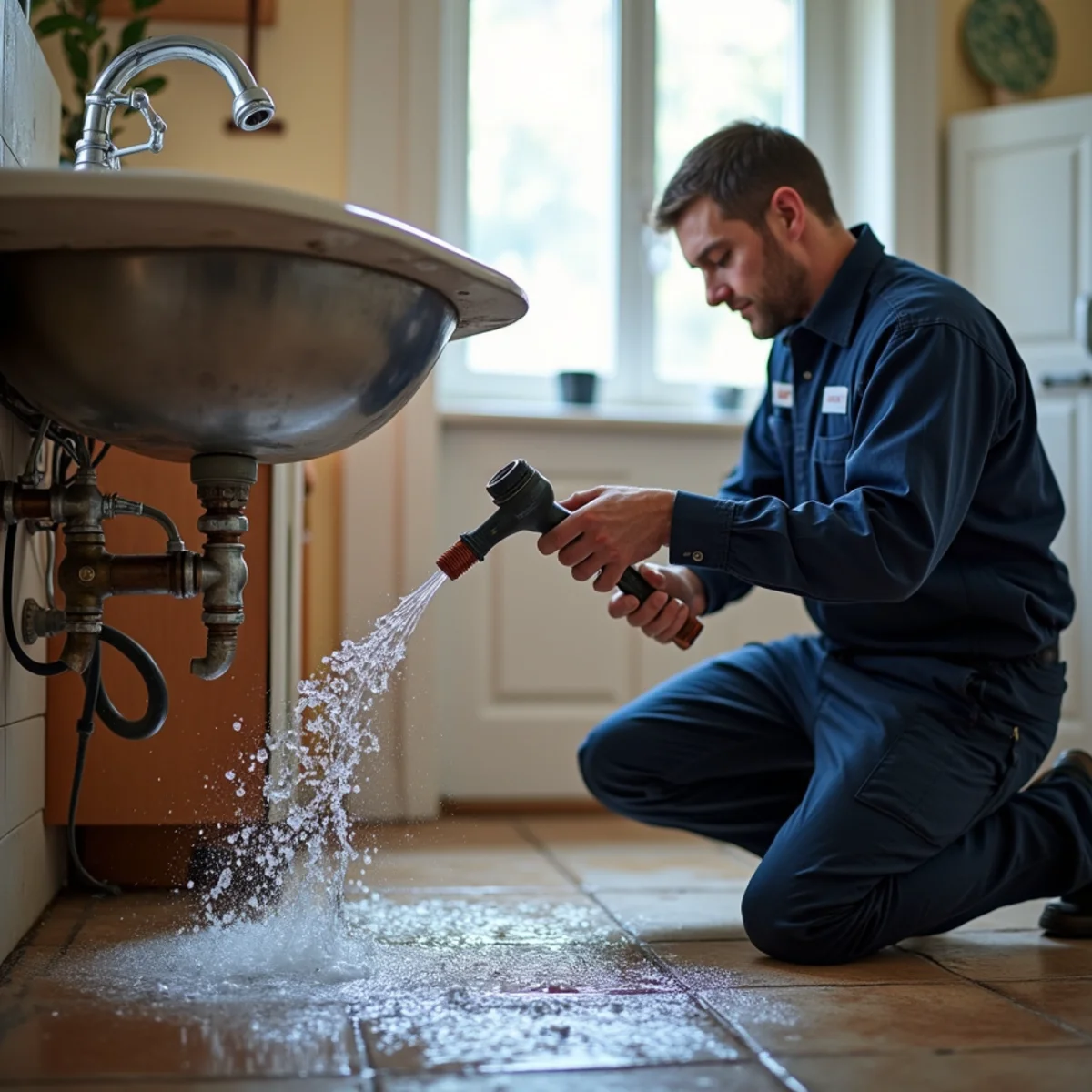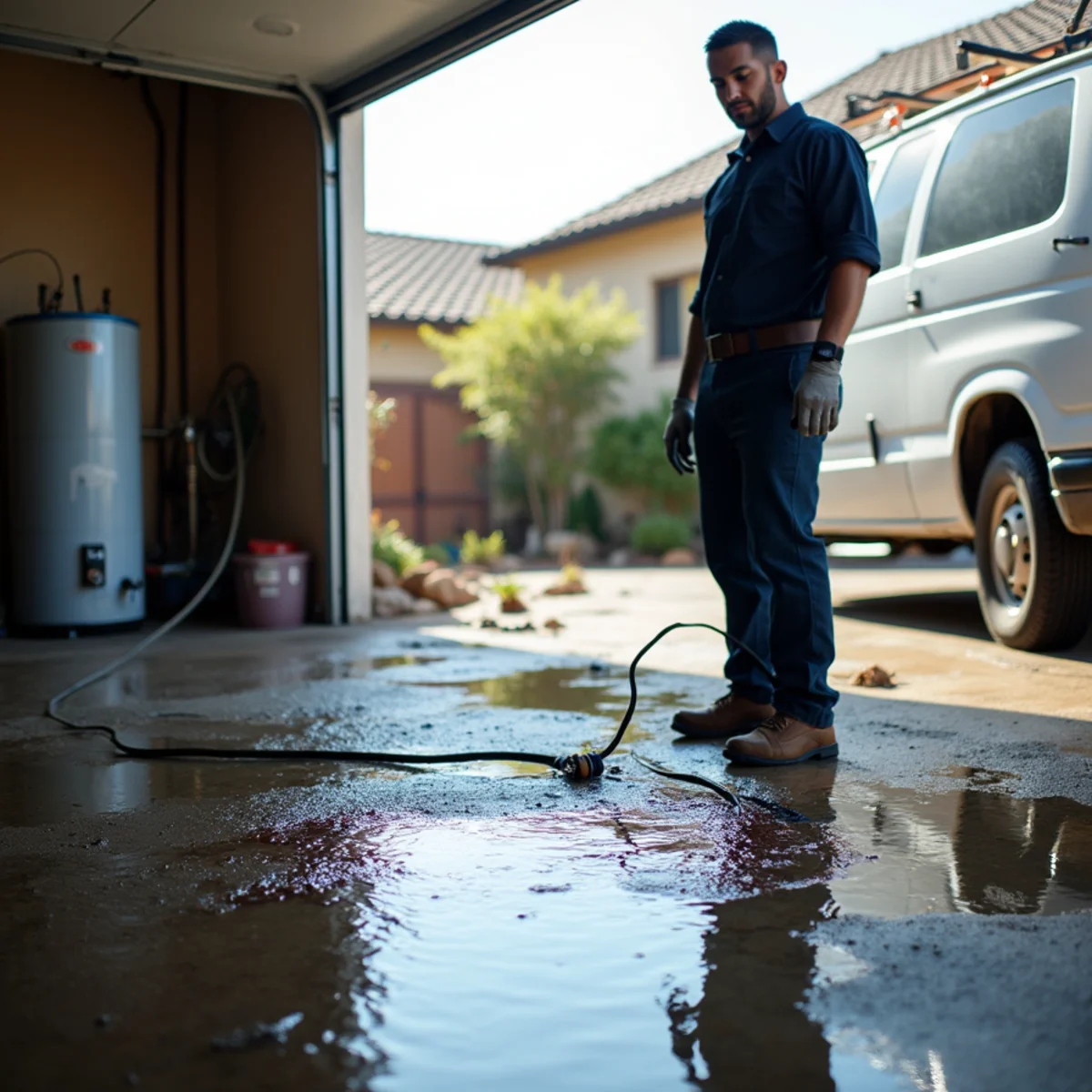
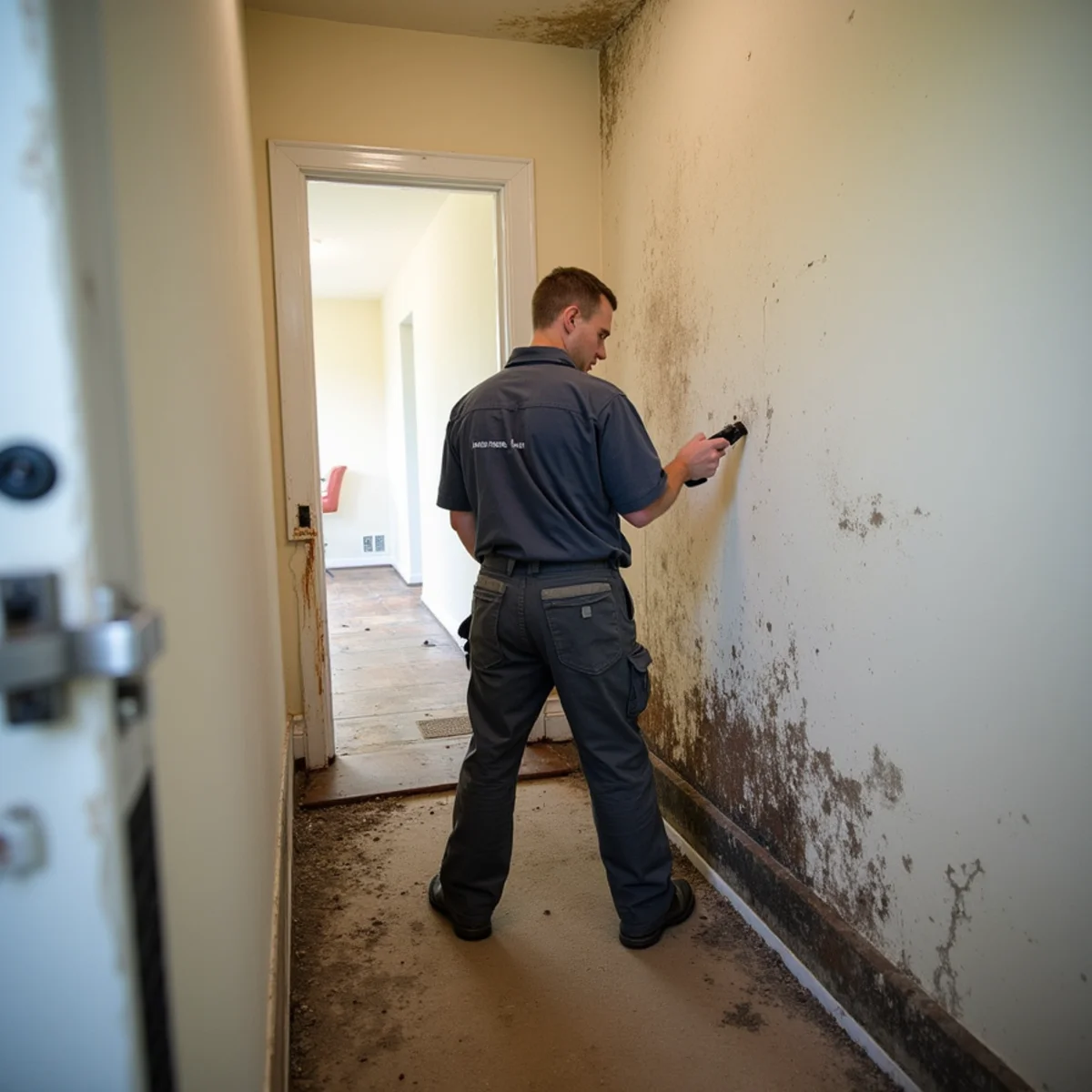
After a leak, the clock that matters most is not the one counting how long until a crew arrives — it is the one counting how long the materials stay wet. Mold does not wait a week to move in. Under the right conditions it can begin taking hold in a day or two, which is why restoration crews talk about water damage in hours, not days.
That 24-to-48-hour window is the single most important thing to understand about water damage. It is the difference between drying a wall and remediating one. Here is what actually happens inside that window, what mold needs to grow, and why fast drying is the only reliable way to stay ahead of it — with mold remediation as the fallback when the window closes, something homeowners in areas like Concord Hills see often after winter leaks.
The 24-48 hour window, explained
Mold spores are already present everywhere — in the air, on surfaces, in ordinary house dust. They are harmless while dormant. Add water, and they activate. The commonly cited figure, echoed by the EPA and the IICRC S500 standard, is that mold can begin to grow on damp materials within 24 to 48 hours of them getting wet.
It helps to separate two stages. In the first day or so, spores germinate and start colonizing the damp surface, usually before you can see anything. Over the following days, visible growth and that telltale musty smell appear. The takeaway is blunt: if wet materials are not drying within about two days, you are no longer preventing mold — you are managing it.
What mold needs to grow
Mold is not mysterious. It needs four things, and it grows wherever all four line up:
- Moisture — the one variable you can actually control after a leak, and the reason drying is everything.
- A food source — drywall paper, wood, carpet, dust, and most building materials qualify.
- A comfortable temperature — roughly the same range people find comfortable indoors.
- Time — starting at that 24 to 48 hour mark, and accelerating from there.
A rough timeline after the leak
No two materials behave identically, but a typical progression on damp drywall and wood looks like this:
- Hours 0-24: spores absorb moisture and germinate; nothing is visible yet, but the process has started.
- Hours 24-48: colonization begins on the damp surface; a faint musty odor may be the first clue.
- Days 3-7: visible growth appears and spreads; the smell strengthens as colonies mature.
- Week 2 and beyond: growth establishes deep in porous materials, releasing more spores and demanding full remediation.
Why fast drying is the real mold prevention
Because moisture is the only one of mold's four needs you can remove, drying fast is the whole game. Remove the water inside that first day or two and the spores never get the sustained dampness they need to colonize. That is why professional crews extract and set up drying equipment immediately rather than waiting to see whether a wall dries on its own — waiting is how the window closes.
It is also why the cheapest mold treatment is the one you never need. A quick, thorough dry-out costs a fraction of remediation, and it spares you the containment, material removal, and disruption that a real mold job involves.
The Concord Hills angle: winter leaks and slow discovery
Homes in Concord Hills face a specific version of this problem in the rainy season. A roof or window leak during a December storm can wet insulation and wall cavities that no one sees for days, and that hidden dampness is a perfect mold incubator running well inside the 24-to-48-hour window before anyone notices a stain.
The lesson for these homes is to investigate early. A damp spot on the ceiling or a musty note in a back bedroom after a storm is worth checking immediately, because by the time mold is obvious, the easy window has already passed and mold remediation — not simple drying — is on the table.
Pro insight: once you suspect mold, stop pointing fans at it
The reflex after a leak is to blast the wet area with air movers, and inside that first 24-to-48-hour window that is exactly right. But the moment visible mold or a strong musty smell is present, the same reflex becomes a mistake. Air movers aimed at an established colony do not dry it — they aerosolize the spores and blow them through the rest of the house, seeding growth in rooms that were never wet.
Drying tactics that are correct for clean water are wrong once mold is in the picture. The pro sequence flips: contain the area first with plastic sheeting, put the space under negative pressure with a HEPA-filtered air scrubber so spores are captured rather than scattered, and only then deal with the moisture and the material. It is the difference between a one-room problem and a whole-home one.
The prevention side comes down to a number: keep indoor relative humidity under about 60 percent and mold struggles to establish even on damp material, and a cheap hygrometer tells you where you stand. Because the wet insulation and cavities behind a winter roof leak sit inside that danger window unseen, the safest move after any storm is to find and dry the moisture before spores ever get their two days.
Frequently asked questions
Related pages
Water Concord
IICRC-certified water damage restoration, based in Concord and serving all of Contra Costa County. We answer 24/7 — if you’re dealing with water damage right now, call (201) 277-9344.